
 View Charts


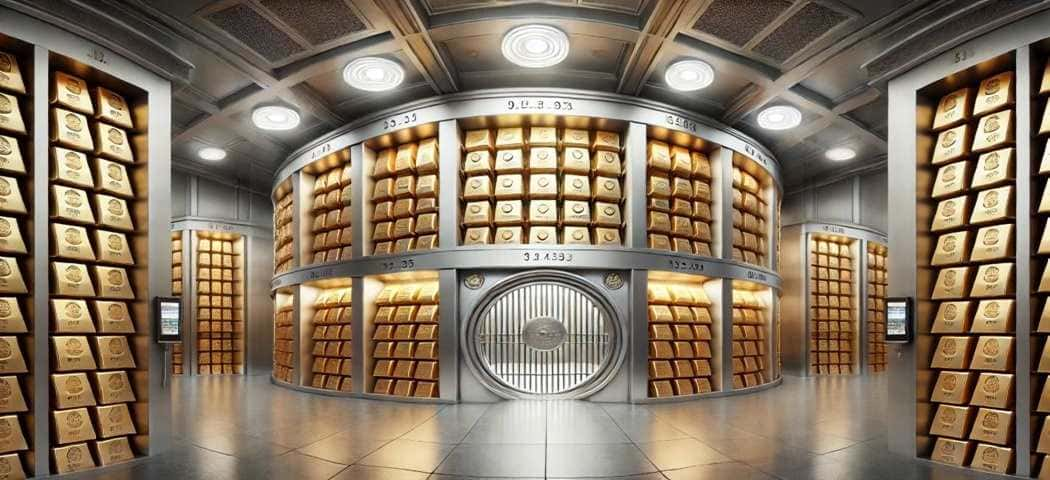
Understanding LBMA and COMEX: Key Institutions in the Precious Metals Market
When it comes to trading and storing precious metals, two of the most influential organizations in the industry are the London Bullion Market Association (LBMA) and the Commodity Exchange (COMEX). These institutions set global standards for gold and silver, ensuring that only high-quality bullion is traded and stored within their approved networks. Investors looking for security, liquidity, and reliability in their precious metals holdings rely on LBMA Good Delivery and COMEX-approved refiners and depositories.
What is the LBMA?
The London Bullion Market Association (LBMA) was established in 1987 to oversee the global over-the-counter (OTC) market for gold and silver. However, its roots trace back to the 18th century, when London became the world’s leading hub for gold and silver trade. The LBMA maintains the Good Delivery List, which sets stringent standards for refiners to ensure high-quality, large-scale bullion production.
As of February 2025, the current Good Delivery List includes 66 gold refiners and 82 silver refiners, demonstrating the high level of industry compliance required to meet LBMA-approved quality, weight, and security standards.
In addition to refining standards, the LBMA is also responsible for the LBMA Gold Price and LBMA Silver Price, known as the London Fix. These benchmark prices are set daily (twice a day for gold, once for silver) through an independent, regulated auction process. They serve as the global standard for pricing physical precious metals and are used by financial institutions, governments, and bullion dealers to settle contracts, value portfolios, and manage transactions with consistency and transparency.
What is COMEX?
The Commodity Exchange (COMEX) is a division of the Chicago Mercantile Exchange (CME Group) and serves as a key marketplace for gold, silver, platinum, and palladium futures trading. COMEX-approved refiners and depositories meet specific criteria to ensure that metals used for futures contract settlements are of guaranteed purity and weight. Unlike the LBMA, which focuses on wholesale bullion trading, COMEX plays a critical role in price discovery and physical metal delivery through its futures market.
Why LBMA Good Delivery & COMEX Approval Matter for Investors
Quality Assurance & Market Trust
Refiners and depositories that achieve LBMA or COMEX approval must meet strict standards for purity, weight, and security. This guarantees that metals traded on these markets are of the highest quality and authenticity.
Liquidity & Global Recognition
LBMA Good Delivery bars and COMEX-approved bullion are widely accepted by central banks, institutional investors, and major bullion dealers worldwide. This ensures that investors can easily buy, sell, or trade their metals without concerns about authenticity.
Security & Storage
Precious metals stored in COMEX-approved depositories are eligible for physical delivery through futures contracts, ensuring that investors' holdings are secure and accessible when needed.
LBMA & COMEX Approved Refiners
The following list highlights some of the top refiners that have achieved both LBMA Good Delivery status and COMEX approval, meaning their bullion meets the highest international standards for purity, weight, and security. These refiners are recognized for their exceptional quality control, industry reputation, and adherence to stringent regulatory requirements.
Gold Refiners Approved by LBMA & COMEX
-
PAMP SA – A world-renowned Swiss refiner known for its high-quality gold bars and innovative security features.
-
Asahi Refining USA Inc. – A leading North American refiner specializing in high-purity gold production.
-
Metalor Technologies SA – A Swiss-based refiner with a long history of producing gold bars for global markets.
-
Valcambi SA – A prestigious Swiss refinery known for its precision-crafted gold bars and investment-grade bullion.
-
Royal Canadian Mint – A government-backed mint producing some of the world’s most recognized gold bullion.
-
Heraeus Metals Hong Kong Ltd. – A subsidiary of Germany’s Heraeus Group, specializing in gold refining.
-
Istanbul Gold Refinery – A leading Turkish refiner producing investment-grade gold bars.
-
Rand Refinery (Pty) Ltd. – The primary refiner of South African gold, best known for producing the Krugerrand.
-
Tanaka Kikinzoku Kogyo K.K. – A premier Japanese gold refiner with a global reputation for quality.
-
Umicore SA Precious Metals Refining – A European refiner focused on sustainable gold refining processes.
-
Shandong Zhaojin Gold & Silver Refinery Co., Ltd. – A leading Chinese refinery specializing in gold refining.
-
Sumitomo Metal Mining Co., Ltd. – A key player in Japan’s gold refining industry.
-
Korea Zinc Co., Ltd. – A South Korean refiner known for high-purity gold bullion.
-
LS-Nikko Copper Inc. – A major refiner in Asia, producing investment-grade gold bullion.
-
Chimet S.p.A. – A respected Italian refiner producing high-quality gold for various markets.
-
Mitsubishi Materials Corporation – A major Japanese refiner producing high-purity gold for investment and industrial use.
-
ABC Refinery (Australia) Pty Ltd – One of Australia’s leading gold refiners, recognized for its high-quality bullion.
Silver Refiners Approved by LBMA & COMEX
-
PAMP SA – A Swiss refiner producing some of the highest-quality silver bars and investment products.
-
Asahi Refining USA Inc. – A top-tier silver refiner supplying global markets with high-purity bullion.
-
Metalor Technologies SA – A Swiss company with a long history of refining high-quality silver.
-
Valcambi SA – One of Switzerland’s most recognized refineries, known for its precision-crafted silver bars.
-
Royal Canadian Mint – A government-backed refiner producing world-renowned silver bullion.
-
Mitsubishi Materials Corporation – A Japanese refiner known for its high-purity silver refining.
-
Heraeus Metals Hong Kong Ltd. – A global leader in refining high-quality silver for investment and industrial use.
-
Istanbul Gold Refinery – A Turkish refiner producing investment-grade silver bars and rounds.
-
Rand Refinery (Pty) Ltd. – A South African refinery producing high-quality silver, primarily known for its gold refining.
-
Johnson Matthey Inc. – A well-established silver refiner with a history of producing high-purity bullion.
-
Engelhard Corporation – A former industry giant, renowned for its high-quality silver bullion.
-
Ohio Precious Metals, LLC – A respected North American refiner producing investment-grade silver.
-
Tanaka Kikinzoku Kogyo K.K. – A premier Japanese refiner with a reputation for high-purity silver refining.
-
Umicore SA Precious Metals Refining – A European refiner known for its sustainable and high-quality silver refining processes.
-
Shandong Zhaojin Gold & Silver Refinery Co., Ltd. – A top Chinese refinery producing investment-grade silver.
-
Sumitomo Metal Mining Co., Ltd. – A leading Japanese refiner in the silver and gold markets.
-
Korea Zinc Co., Ltd. – A South Korean refiner specializing in high-purity silver production.
These refiners meet the strictest industry standards, ensuring that investors receive top-tier, globally recognized bullion.
COMEX-Approved Depositories
Approved depositories include:
-
Brinks Inc. – A globally recognized secure storage and transportation company specializing in precious metals and financial assets.
-
Delaware Depository Service Company (DDSC) – A highly secure, COMEX-approved depository offering insured bullion storage in a tax-advantaged jurisdiction.
-
HSBC Bank USA NA – A major international financial institution providing bullion storage services with a strong reputation in global banking.
-
JPMorgan Chase Bank NA – A leading global bank with a COMEX-approved depository specializing in high-security precious metals storage.
-
Malca-Amit USA LLC – A trusted name in bullion logistics and storage, known for serving high-net-worth clients and institutions.
-
Manfra, Tordella & Brookes (MTB) – A well-established precious metals firm providing secure storage and distribution services for bullion investors.
-
International Depository Services (IDS) of Delaware – A premier full-service depository offering allocated and segregated storage for precious metals.
-
Loomis International (US) Inc. – A major provider of secure transport and storage solutions for precious metals, banks, and institutional investors.
-
CNT Depository Inc. – One of the largest privately held precious metals depositories in North America, catering to institutional and individual investors.
-
Asahi Depository LLC – A secure bullion storage facility operated by Asahi Refining, providing investors with high-security vaulting solutions.
These COMEX-approved depositories ensure safe, insured, and audited storage for gold, silver, and other precious metals.
LBMA vs. COMEX: Key Differences in Standards
The London Bullion Market Association (LBMA) and the Commodity Exchange (COMEX) establish rigorous standards for gold and silver bars to ensure quality, authenticity, and market uniformity. While both organizations uphold high standards, their specific requirements differ slightly, particularly regarding bar weight, fineness, and accepted refiners.
LBMA Good Delivery Standards
The LBMA's Good Delivery List outlines the specifications for gold and silver bars accepted in the London bullion market. These standards ensure that all bars meet strict weight, fineness, and marking criteria.
GOLD BARS:
Fineness: Minimum of 995.0 parts per thousand fine gold for standard Good Delivery bars; however, 1 kilo bars must meet a minimum fineness of 999.9 (99.99%) fine gold.
Weight:
-
Good Delivery Bar: 400 troy ounces (approx. 12.44 kg).
-
1 Kilo Bar: 1,000 grams (1 kg), now an accepted standard under the 999.9 Kilobar Standard.
Dimensions:
-
400 oz Bar: Top length of 210-290 mm, width of 55-85 mm, and height of 25-45 mm.
-
1 Kilo Bar: Rectangular shape with refined specifications set by LBMA.
Marks: Serial number, refiner's hallmark, fineness, and year of manufacture.
By incorporating 1-kilogram gold bars into its Good Delivery List, the LBMA has provided investors with an additional market-approved option that aligns with international trade standards.
SILVER BARS:
Fineness: Minimum of 999.0 parts per thousand silver.
Weight: 1,000 troy ounces (approx. 32.15 kg).
Dimensions: Top length of 250-350 mm, width of 110-150 mm, and height of 60-100 mm.
Marks: Serial number, refiner's hallmark, fineness, and year of manufacture.
COMEX Approval Standards
COMEX, a division of the CME Group, sets its own gold and silver bar criteria for metals that are eligible for delivery under futures contracts.
GOLD BARS:
Fineness: Minimum of 995 parts per thousand fine gold for 100 oz bars. However, 1-kilogram gold bars must have a minimum fineness of 999.0 fine gold.
Weight:
-
100 oz Bar: Each bar must contain approximately 100 troy ounces.
-
1 Kilo Bar: Now approved for delivery, with bars weighing exactly 1,000 grams (1 kg). Three 1 kg bars may now be delivered in place of a single 100 oz bar.
Marks: Each bar must display weight, fineness, bar number, brand mark, and, for bars produced as of January 1, 2025, the month and year of production.
The approval of 1 kg gold bars by COMEX as a deliverable unit gives traders and investors more flexibility in precious metals trading, aligning with global market preferences.
SILVER BARS:
Fineness: Minimum of 999 parts per thousand silver.
Weight: Each bar should weigh 1,000 troy ounces, with a tolerance of ±10%.
Marks: Bars must include the weight, fineness, bar number, brand mark, and, for bars produced as of January 1, 2025, the month and year of production clearly inscribed.
Comparison of LBMA and COMEX Standards
While LBMA and COMEX require high purity levels and specific markings, key differences remain:
Weight Specifications:
-
LBMA Good Delivery gold bars weigh 400 troy ounces, while COMEX-approved bars are typically 100 troy ounces.
-
Both organizations now accept 1-kilogram gold bars, but LBMA mandates 999.9 fineness, whereas COMEX allows a minimum of 999.0 fineness.
-
COMEX permits three 1 kg gold bars to be used as an equivalent to one 100 oz gold bar in futures contract deliveries.
Markings:
-
Both organizations require similar serial numbers, brand hallmarks, weight, and fineness.
-
COMEX requires bars produced after January 1, 2025, to display the month and year of manufacture.
Market Integration:
-
LBMA-approved bars are widely used in international over-the-counter (OTC) markets.
-
COMEX-approved bars are primarily traded in U.S. futures markets.
The inclusion of 1-kilogram gold bars in both LBMA Good Delivery and COMEX-approved bars provides investors with increased liquidity, standardization, and trade efficiency, reinforcing gold’s role as a global store of value.
Final Thoughts: Why It Matters for Investors
Whether you're investing in gold or silver, understanding LBMA Good Delivery and COMEX standards is crucial. These certifications ensure that your metals meet stringent quality and purity requirements, allowing for greater market liquidity and security.
For investors seeking reliable bullion, purchasing from LBMA or COMEX-approved refiners guarantees authenticity, value, and global recognition. Similarly, storing metals in COMEX-approved depositories provides peace of mind that your holdings are safeguarded in institutions meeting the highest industry standards.
Another article that may interest you:
Fort Knox Through the Decades: The History of America’s Gold Vault