
 View Charts


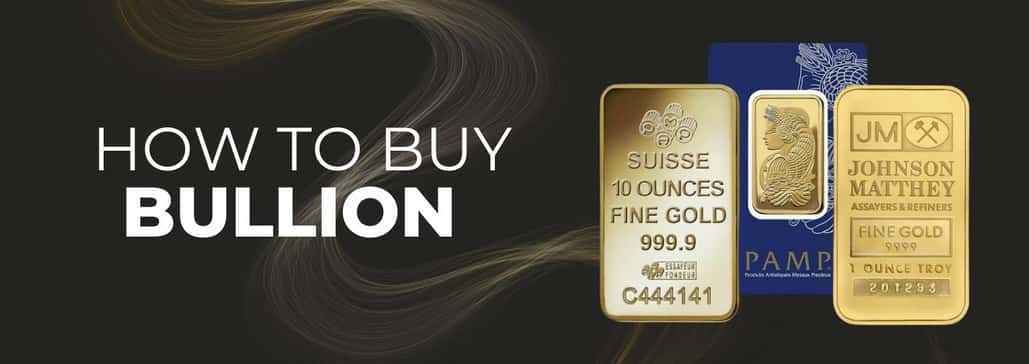
How to Buy Bullion
Investing in bullion is a popular way to diversify investment portfolios with a tangible asset that historically holds its value well. Whether you are new to precious metals or looking to expand your existing investments, understanding the process of buying bullion is essential. This comprehensive guide will help you navigate the complexities of purchasing gold, silver, or other precious metal bullion.
Understanding Bullion
Bullion refers to precious metals in bulk form, usually gold, silver, platinum, or palladium, that are valued by weight and typically cast as bars or minted into coins. The value of bullion is primarily determined by its purity and the market price of the metal.
Types of Bullion:
- Coins: These are typically produced by government mints, carry a face value, and are considered legal tender. They often come with a premium over the spot price of the metal due to their collectibility, design, and government backing.
- Bars: These are available in various sizes, from one gram to 400 ounces. Bars usually have lower premiums over the spot price compared to coins, making them a more cost-effective option for large-volume buyers.
Why Buy Bullion?
Bullion is a favored choice among investors for several reasons:
- Wealth Preservation: Bullion acts as a hedge against inflation and currency devaluation.
- Market Independence: The value of precious metals tends to move independently of stock and bond markets.
- Liquidity: Gold and silver are globally recognized assets that can be sold relatively easily.
When to Buy Bullion
Timing is crucial in maximizing your investment in bullion. Key considerations include:
- Market Analysis: Regularly check the live spot prices of metals, which fluctuate throughout the trading day. Prices are influenced by economic indicators, geopolitical stability, and changes in supply and demand.
- Economic Indicators: Purchasing bullion during periods of economic uncertainty can be a wise decision as prices tend to rise when confidence in traditional investments wanes.
Choosing What to Buy
The choice between coins and bars depends on your investment goals and the amount of capital you wish to commit.
- Coins are suitable for those looking for divisibility or who enjoy collecting different designs and series.
- Bars are a better choice for those focused on accumulating as many ounces as possible for their capital.
How to Buy Bullion
The process of buying bullion involves several steps:
- Set a Budget: Decide how much of your investment portfolio you want to allocate to bullion. Experts often recommend between 5-20%, depending on your risk tolerance and investment strategy.
- Choose a Respectable Dealer: Selecting a reputable dealer is crucial. Look for dealers who are members of recognized industry associations such as the Professional Numismatists Guild (PNG) or the American Numismatic Association (ANA). Verify the dealer’s credentials, read customer reviews, and check their transaction history.
- Pricing and Fees: Understand how the pricing works. Dealers typically set prices based on the current spot price plus a markup.
- Payment and Delivery: Once you’ve chosen your bullion, you’ll need to decide on a payment method. Most dealers accept various forms including bank transfers, credit cards, and checks. Secure delivery of your bullion is also critical.
Storing Your Bullion
Safe storage is essential to protect your investment. Options include:
- Home Safes: Suitable for small to medium quantities of bullion. Ensure your safe is securely anchored and fire-resistant.
- Safety Deposit Boxes: Offered by banks and provide excellent security but come with annual fees.
- Precious Metals Depositories: These are secure facilities specifically designed for storing large amounts of bullion. They offer both segregated (individual) and non-segregated (communal) storage options.
Managing Your Bullion Investment
Keep track of the market value of your bullion and stay informed about market trends. Depending on your investment strategy, decide whether to hold your assets long-term or sell when they appreciate in value.
Conclusion
Buying bullion can be a rewarding investment, providing not only financial returns but also the satisfaction of owning physical assets. By understanding the types of bullion available, when and how to purchase them, and how to store them safely, you can make informed decisions that align with your financial goals. Whether for wealth preservation, profit, or personal enjoyment, bullion represents a solid and tangible investment in today's diverse financial landscape.
Explore Bullion Investment with Bullion Exchanges
If you're seeking guidance on the optimal timing, types, and quantities of bullion for your investment portfolio, feel free to reach out to us. Our knowledgeable team is here to provide you with all the information you need about purchasing bullion, ensuring you make well-informed decisions tailored to your financial goals. Contact us today, and let us assist you in navigating the complexities of bullion investment.