
 View Charts


Removing Milk Spots From Silver Coins
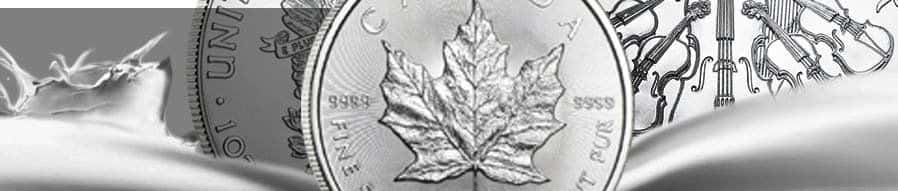
Understanding Milk Spots on Silver Coins and How to Manage Them
Milk spots on silver coins are a common concern for both collectors and investors. These thin, white marks can mar the reflective surface of otherwise pristine silver coins, raising questions about their origins and how to address them. While milk spots do not damage the metal itself or reduce the bullion value of a coin, they can negatively affect its visual appeal and premium above the spot price—something collectors of coins like the Canadian Maple Leaf or Austrian Philharmonic highly value.
What Causes Milk Spots?
Milk spots on silver coins are primarily a result of the manufacturing process, particularly during the annealing stage, where coins are baked and cooled to prevent brittleness. If chemicals like borax are not fully removed from the coin's surface before annealing, residues can remain embedded in the metal. These residues may leave the coin looking flawless upon minting but can slowly react over time, especially when exposed to environmental factors such as air and humidity.
One such reaction involves oxidation, as silver comes into contact with sulfur compounds in the air. This interaction can form silver sulfide tarnish, further contributing to the appearance of milk-like spots. While these blemishes do not compromise the integrity of the coin, they can diminish its visual appeal, particularly for collectors who value pristine surfaces on highly reflective coins.
When Do Milk Spots Appear?
Unlike surface tarnish, milk spots are unpredictable and can develop at any point—days, weeks, months, or even years after production. While this is typically an aesthetic issue that does not impact the bullion value of the coin, it can be a disappointment for collectors who prize the brilliance of their silver coins.
Milk Spot Myths:
-
Milk spots are caused by overhandling of your coin
-
They are scuff marks or scratches resulting from improper storage or packaging
-
Milk spots are similar to tarnish and are caused via air exposure
-
They can be removed by scrubbing, scraping, or scouring your coin
-
They will grow and change if left alone
Do Milk Spots Affect Coin Value?
From an investment perspective, milk spots are not a major concern because they do not erode or compromise the physical integrity of silver. However, for numismatists and collectors, the reduction in visual appeal can lower the coin’s premium over spot price, especially for collectible designs.
Addressing Milk Spots and Cleaning Silver Coins
For those asking, "How do you clean silver coins?" this guide aims to help you make informed decisions. While cleaning silver coins can often restore their brilliance, doing so requires care to avoid damaging their surfaces. Whether you're looking to remove milk spots or maintain the quality of your collection, this guide will walk you through the best practices for preserving the beauty and value of your silver coins.
For years, collectors have been perplexed and frustrated by milk spots tarnishing their carefully maintained coins. These unsightly blemishes often appeared on valuable, otherwise pristine pieces without warning. Even as recently as 15 years ago, there was little understanding of how to address these imperfections without causing permanent damage. Many numismatists resigned themselves to accepting milk spots as unavoidable flaws.
Thankfully, advancements in cleaning methods have provided practical solutions. Below, we outline three effective techniques for removing milk spots from reflective silver coins, helping you restore your treasures to their former glory.
1. Cloudy Ammonia
Cloudy ammonia is a natural, biodegradable product that is both inexpensive and easy to find. However, it comes with a strong and unpleasant smell, so ensure proper ventilation when using it. To remove milk spots, soak a cotton ball in cloudy ammonia and gently wipe the affected areas of your coin. This method also helps to remove oil and dirt buildup, leaving the surface cleaner overall. While effective, exercise caution and always handle your coins carefully during this process.
2. Jewelry Wipes
Jewelry wipes are widely available at drugstores and even many grocery stores. Before using them, clean your coin's surface to remove any dirt or particles that could scratch the silver during cleaning. Once prepared, simply use the wipe to polish the coin and watch the milk spots fade away. However, even when done carefully, this method can leave behind slight abrasions on the coin’s surface. These marks are generally minor and less noticeable than milk spots, making this an acceptable trade-off for many collectors.
3. Erasers
One of the simplest and most surprising solutions is using a soft rubber eraser. Choose a new, very soft eraser to avoid introducing dirt or grit. Gently rub the milk spots as though erasing pencil marks, and you’ll see the blemishes lift away. As with the other methods, ensure both the coin and eraser are clean to prevent scratching during the process.
Tips for Maintaining Your Coins Post-Cleaning
To keep your coins visually appealing for longer, proper cleaning and storage practices are essential:
-
After cleaning, wash your coins in warm, soapy water and gently dab them dry with a soft, clean towel. Avoid rubbing, as this can cause scratches.
-
Store your coins in a cool, dry location away from sunlight and humidity. Consider using airtight holders or capsules to further protect them from environmental damage.
-
Handle coins with gloves to prevent oils and dirt from transferring onto their surfaces, which can lead to future blemishes.
With these precautions, your coins will stay in excellent condition, minimizing the risk of milk spots and other imperfections.
Have Questions?
If you have further questions about silver coin cleaning or how to effectively remove milk spots, our knowledgeable Bullion Exchanges customer service team is ready to help. Contact us today for personalized assistance, and let us help you preserve the beauty and value of your silver collection.