
 View Charts


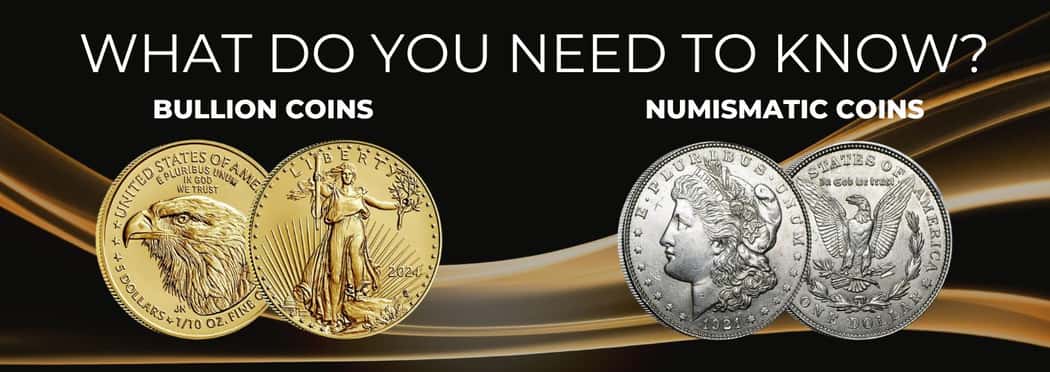
Bullion Coins vs. Numismatic Coins: What do you need to know?
Understanding the difference between bullion coins and numismatic coins is crucial for those interested in precious metal investments or coin collecting. Although both can offer financial and historical value, each type comes with unique features and benefits. In this article, we will delve into the distinctions between bullion and numismatic coins, discuss their investment potential, and help you decide which is right for your needs.
Bullion Coins: Characteristics and Benefits
Bullion coins are primarily valued based on their metal content. They are often minted by government or private mints using precious metals like gold, silver, platinum, and palladium. Bullion coins are recognized globally for their consistent weight and purity, making them an attractive option for investors.
Key Characteristics:
- Purity and Weight: Bullion coins are typically struck in standardized weights (often 1 oz) and contain high-purity precious metals. Gold bullion coins like the American Gold Eagle and the Canadian Gold Maple Leaf are popular examples.
- Low Premiums: Because they are mass-produced and not intended as collectibles, bullion coins carry lower premiums over the metal's spot price.
- Legal Tender: Many government-issued bullion coins are considered legal tender, with a nominal face value that is usually much lower than their metal content value.
Investment Benefits:
- Liquidity: Bullion coins are highly liquid, meaning they can be easily bought or sold due to their recognizability and standardized valuation.
- Inflation Hedge: The value of bullion coins tends to rise with inflation, making them a reliable hedge against currency devaluation.
- Diversification: Adding bullion coins to your investment portfolio can help diversify against market risks, providing a safeguard during economic downturns.
Numismatic Coins: Characteristics and Benefits
Numismatic coins derive their value from their historical significance, rarity, and aesthetic appeal, in addition to their metal content. These coins are often older or limited-edition items that attract collectors and numismatists.
Key Characteristics:
- Rarity and Historical Significance: Numismatic coins are typically rare or have historical significance, such as ancient coins or commemorative issues.
- Premiums: These coins often carry premiums well above the spot price due to their collectibility.
- Condition and Grade: The condition and grading of numismatic coins play a significant role in their value, with higher-graded coins commanding higher premiums.
Investment Benefits:
- Appreciation Potential: Rare numismatic coins can appreciate significantly over time as their scarcity increases and collector demand rises.
- Collector Demand: Numismatic coins are often pursued by enthusiasts, adding an element of aesthetic and historical appreciation to their investment value.
- Diversification: Numismatic coins can serve as a niche diversification tool for collectors and investors with specialized knowledge.
Which Is Right for You?
Choosing between bullion coins and numismatic coins depends on your goals, risk tolerance, and knowledge of the coin market.
- Investment Goals:
- If your primary goal is wealth preservation, bullion coins may be a better choice due to their predictable market value and liquidity.
- If you enjoy the historical and artistic aspect of coin collecting and are willing to invest the time to learn the market, numismatic coins could offer greater satisfaction and potential for profit.
- Risk Tolerance:
- Bullion coins provide a lower-risk investment due to their direct correlation with precious metal prices.
- Numismatic coins are more speculative because their value is influenced by collector demand and market trends. This could mean higher returns but also greater risks.
- Market Knowledge:
- Investing in numismatic coins requires specialized knowledge of the coin market, including grading standards, historical background, and authentication methods. Those willing to learn can profit from this niche market.
- For beginners, bullion coins provide a simpler entry point into the world of precious metals, as their value is linked to the spot price.
- Portfolio Diversification:
- Bullion coins can be a straightforward diversification strategy, offering stability against market fluctuations.
- Numismatic coins can complement other investments with a unique form of diversification if you're a collector at heart.
Combining Both Types
While choosing between bullion and numismatic coins can seem like an either-or decision, many collectors and investors find value in combining both in their portfolios. For example, you might allocate a portion to standard bullion coins for wealth preservation and another to numismatic coins to capitalize on collector demand.
Bullion coins and numismatic coins each bring distinct advantages to the table, making them valuable in different contexts. Whether you're looking for reliable, inflation-hedging assets in bullion coins or hoping to tap into the niche market of numismatics, understanding your investment goals, risk tolerance, and market knowledge will guide you to the best decision. By evaluating your financial objectives and interest in coin collecting, you can determine which type of coin best fits your unique investment strategy.
Now that you understand the difference between bullion and numismatic coins, remember there's no reason you can't enjoy both! Each type brings its unique benefits and appeal to your collection. Use this knowledge to make informed decisions about your purchases. Visit our Bullion Exchanges Learning Center to explore this and other valuable topics. If you have questions or suggestions, feel free to contact us.
Another article that may interest you:
What does BU mean?