
 View Charts
Palladium spot price today
At 4:00 AM ET on October 10, 2026, Palladium is trading at a live spot price of $1,173.00 per ounce, $37.71 per gram, and $37,712.83 per kilogram in U.S. dollars (USD).
Monitor the live palladium spot price today with real-time updates, interactive charting, and insight into one of the most supply-sensitive metals in the commodities market. The palladium spot price represents the current global value of one troy ounce of palladium available for immediate delivery and serves as the benchmark for pricing palladium bullion products.
Driven largely by automotive catalytic converter demand and concentrated mining output in Russia and South Africa, palladium’s price structure is uniquely sensitive to industrial trends and geopolitical developments.

Sign up for spot price alerts
Free! Sign up for email and/or SMS Spot Price Alerts
Palladium Market Today — Price Trends & Analysis
Updated October 9, 2026 | 9:10 AM ET
Palladium is advancing this morning, with the one-ounce spot price at $1,170.50, approximately 1.78% higher than yesterday morning. The metal has joined the broader precious-metals recovery as the U.S. dollar softens and Treasury yields retreat from recent highs. Lower crude oil prices following President Trump’s Iran comments are also easing some near-term inflation pressure, improving sentiment toward economically sensitive metals. Federal Reserve tightening remains a risk, however, and there is no confirmed palladium-specific supply development behind today’s gain, making broader macro conditions the more important immediate influence.
Key Driver: Softer dollar and yield conditions are helping palladium recover alongside the wider precious-metals complex.
What Is the Palladium Spot Price?
The palladium spot price reflects the most recent wholesale market transaction for immediate delivery of one troy ounce of palladium. It functions as the primary reference for refiners, industrial users, institutional traders, and bullion dealers.
Price discovery occurs through futures markets and global over-the-counter trading networks, with international participation shaping daily movement.
When purchasing physical palladium bars or coins, buyers pay the spot price plus a premium. When selling, transactions are based on the prevailing bid relative to spot.
What Influences the Cost of Palladium?
Palladium’s price structure differs significantly from gold because it is primarily an industrial metal.
Automotive Demand
Palladium is a critical component in catalytic converters used in gasoline-powered vehicles. Changes in auto production volumes, emissions regulations, and shifts between gasoline and electric vehicles directly affect demand.
Supply Concentration
A substantial portion of global palladium production comes from Russia and South Africa. Geopolitical developments, labor disruptions, or trade restrictions in these regions can rapidly tighten supply and drive volatility.
Substitution Dynamics
Manufacturers may substitute platinum for palladium when price spreads widen significantly. This relationship can influence relative pricing between the two metals.
Investment Activity
Although industrial demand dominates, investor interest in palladium bullion and ETFs can contribute to price momentum during commodity cycles.
Currency Movements
As with other precious metals, palladium is priced globally in U.S. dollars, meaning currency fluctuations can influence short-term price direction.
Palladium Spot Price vs. Futures Price
The spot price represents immediate settlement for physical palladium, while futures contracts reflect agreements for delivery at a later date. Differences between the two may signal expectations about future supply constraints, demand shifts, or financing costs.
Monitoring the relationship between spot and futures provides additional insight into market structure.
Palladium Bid, Ask & Market Spreads
Palladium trading includes:
-
Bid Price — the highest price a buyer is willing to pay
-
Ask Price — the lowest price a seller is willing to accept
The spread between bid and ask can widen during periods of market stress due to lower liquidity relative to gold or silver. Physical palladium products trade above the raw spot price due to fabrication costs and limited supply availability.
Why Palladium Prices Are Often Volatile
Palladium frequently experiences larger percentage swings than gold or silver because its supply base is geographically concentrated and its demand is tied to industrial production.
Economic slowdowns, shifts toward electric vehicles, regulatory changes in emissions standards, or geopolitical events affecting mining output can all produce rapid price adjustments.
Comparing the palladium spot price with the platinum spot price and gold spot price can provide insight into industrial versus safe-haven market dynamics.
Palladium Price History & Industrial Cycles
Historically, palladium has undergone periods of sharp appreciation during supply shortages, followed by corrections as substitution and production adjustments occur. Reviewing long-term price charts highlights the metal’s cyclical behavior and sensitivity to industrial demand.
Understanding these cycles helps investors contextualize current price levels within broader commodity market trends.
Track Related Precious Metal Spot Prices
Palladium operates within the broader precious metals complex. Monitoring related metals can provide context for relative value opportunities and industrial rotation trends.
You can also follow:
Cross-market comparisons allow investors to evaluate diversification strategies across monetary and industrial metals.
Stay Informed With Price Alerts and the Bullion Exchanges App
Bullion Exchanges offers tools to help you respond quickly to palladium market movement:
-
Palladium Price Alerts — Set custom price targets and receive notifications when levels are reached.
-
Market Movement Alerts — Monitor percentage or dollar-based changes in real time.
-
Bullion Exchanges App — Access live palladium pricing, charting tools, and alerts directly from your mobile device.
Alerts are available via email, SMS, and push notifications to ensure you never miss important market developments.
Buy and Sell Palladium at the Live Spot Price
Bullion Exchanges provides transparent pricing aligned directly with the live palladium spot price. Explore our selection of palladium coins, bars and investment-grade products, priced according to current global market conditions.
Whether responding to industrial supply shifts or seeking portfolio diversification, monitoring the real-time palladium price ensures informed decision-making based on accurate data.
FAQs
Palladium is a chemical element with the symbol Pd and atomic number 46. It is a rare and lustrous silvery-white metal that belongs to the platinum group of elements. Palladium is similar to platinum in terms of its physical and chemical properties, but it has a lower density.
Palladium has a variety of applications, including catalytic converters for automobiles, electronics, dentistry, and jewelry. It is also used in the production of fuel cells, which are a clean and efficient source of energy.
In recent years, palladium has become an increasingly popular investment metal. Like other precious metals, such as gold and silver, palladium is viewed as a safe haven investment, particularly in times of economic and political uncertainty. The price of palladium is influenced by a variety of factors, including supply and demand, global economic conditions, and geopolitical tensions. Currently, the price of palladium has risen significantly, making it a popular investment option for some investors.
Investing in palladium can be a way to diversify your investment portfolio and potentially protect against inflation and market volatility. However, like any investment, investing in palladium comes with some risks, and it may not be suitable for all investors.
If you are interested in investing in palladium, it is important to do your research and consider the various ways to invest in the metal. Some options include purchasing physical palladium, investing in palladium exchange-traded funds (ETFs), or investing in palladium mining stocks.
Investing in physical palladium involves buying coins, bars, or other forms of physical metal. This can be a good option for investors who want to hold the metal directly and have control over their investment. However, it also comes with additional costs, such as storage and insurance.
Investing in palladium ETFs is another option. ETFs are a type of investment fund that tracks the price of the underlying asset, in this case, palladium. ETFs can be a good way to invest in palladium without the additional costs of owning physical metal. However, as with any investment, there are risks involved, such as fluctuations in the price of the ETF and management fees.
Investing in palladium mining stocks can also be an option for investors. This involves buying stocks in companies that mine palladium. However, investing in individual stocks comes with additional risks, such as the company's financial performance and market volatility.
It is important to consider your investment goals, risk tolerance, and financial situation before investing in palladium or any other investment. Additionally, seeking advice from a financial advisor or professional can help you make informed investment decisions.
The palladium spot price refers to the current market price of one troy ounce of palladium. It is the price that is quoted in real-time by dealers and traders in the global commodities markets. The spot price is influenced by a variety of factors, including supply and demand, economic and geopolitical conditions, and market speculation.
Investors who wish to invest in palladium can use the spot price as a benchmark for the price they may pay to purchase physical palladium or to invest in palladium-related securities, such as ETFs or mining stocks. The spot price can also be used to track the performance of the palladium market over time.
It's important to note that the spot price is different from the retail price of physical palladium, which includes additional costs such as fabrication fees, dealer markups, and shipping and handling costs.
The palladium spot price can be accessed through a variety of financial news websites and trading platforms. However, investors should keep in mind that the spot price can be volatile and subject to rapid fluctuations based on a variety of market factors. As with any investment, it's important to conduct thorough research and consult with a financial advisor before making any investment decisions based on the spot price of palladium.
The term "spot price" refers to the current market price of a particular asset, such as a commodity, currency, or security. It represents the price at which the asset can be bought or sold at that moment in time, with delivery typically taking place within a few business days.
The spot price is determined by the forces of supply and demand in the market. It is influenced by a variety of factors, including economic conditions, political events, and market sentiment. The spot price can be highly volatile and subject to rapid fluctuations based on these and other market factors.
The spot price is used as a benchmark for the price of an asset and is often quoted by traders and financial news outlets. Investors who wish to purchase or sell the asset can use the spot price as a reference point for the current market value of the asset.
In some markets, such as the commodities market, the spot price is an important indicator of the health of the market. For example, in the gold market, the spot price is closely watched by investors and traders as an indicator of the health of the global economy, as well as a safe-haven asset during times of economic and political uncertainty.
The palladium spot price can be important to investors who are interested in investing in palladium, as it provides a benchmark for the current market value of the metal. The spot price is quoted in real-time by dealers and traders in the global commodities markets and is subject to fluctuations based on a variety of factors, including supply and demand, economic and geopolitical conditions, and market speculation.
Investors who are interested in purchasing physical palladium or investing in palladium-related securities, such as ETFs or mining stocks, can use the spot price as a reference point for the price they may pay. The spot price can also be used to track the performance of the palladium market over time.
Additionally, the palladium spot price can be important to individuals or businesses who use palladium in their manufacturing processes. For example, the automotive industry uses palladium in catalytic converters, and fluctuations in the spot price can impact the cost of manufacturing these devices. Similarly, the electronics industry uses palladium in the production of certain components, and changes in the spot price can affect the cost of these materials.
The price of palladium is determined by the forces of supply and demand in the global market. The spot price of palladium refers to the current market price of a troy ounce of the metal, which can fluctuate from moment to moment based on various factors such as economic conditions, geopolitical events, and the availability of supply.
The spot price of palladium is set by market participants on various exchanges around the world, including the London Metal Exchange (LME) and the New York Mercantile Exchange (NYMEX). The LME is the primary global marketplace for trading industrial metals, including palladium, while NYMEX is a futures exchange that offers futures contracts for the metal.
Market participants, including miners, refiners, fabricators, traders, and investors, buy and sell palladium on these exchanges, based on their assessment of current and future supply and demand conditions. These transactions help to establish the spot price of palladium, which serves as a benchmark for pricing in the industry.
In addition to exchange-traded prices, the spot price of palladium can also be influenced by other factors such as production and consumption trends, political and economic events, currency fluctuations, and changes in investment demand for the metal. As a result, the price of palladium can be volatile and subject to rapid fluctuations in response to changing market conditions.
There is also a significant demand for palladium in the medical and electronic industries. Therefore, both of these industries can also affect the palladium price per ounce. The major suppliers of palladium are Russia and South Africa. So, if there is any political instability, natural disaster, or economic turmoil in these countries, then the palladium price per ounce might rise or fall.
The price of palladium, as well as other precious metals, changes often due to numerous natural and manmade factors. These include, but are not limited to, the following:
-
Current political events, especially in Russia and South Africa
-
Supply disruption
-
Industrial demand
-
Market speculation
-
Buying power
Please note that, unlike gold and silver, the palladium spot price may increase or decrease alongside the stock market. This is particularly the case because it is a precious metal with demand primarily stemming from industry. If those industries do not perform well, it is possible that demand will fall for palladium. Although the palladium spot price may also fall, it still sees a degree of demand as a safe haven asset. So while the palladium price is not always easy to predict, this is what makes the metal a great diversifier.
The price of palladium can change at any time due to a variety of factors that influence the supply and demand for the commodity. Some of the factors that can impact the price of palladium include:
- Economic indicators: Palladium is often used in the production of catalytic converters for vehicles, so changes in automotive sales and production can have an impact on the price of palladium.
- Supply and demand dynamics: Like all commodities, the price of palladium is influenced by the balance between supply and demand. A supply disruption or an increase in demand can drive up the price of palladium, while an increase in supply or a reduction in demand can drive it down.
- Political and geopolitical events: Political instability or geopolitical tensions in countries where palladium is produced or used can impact the price of the commodity.
- Market speculation: Speculation and investment activity in the palladium market can also impact its price.
In summary, the price of palladium can change at any time due to a variety of factors, some of which are outside of our control. It is important to monitor market news and economic indicators in order to stay informed about changes in the price of palladium.
Bullion dealers sell above the spot price for several reasons, including the costs of production, distribution, and storage, as well as the profit margin for the dealer.
One of the primary reasons bullion dealers sell above the spot price is the cost of production. The production of bullion coins and bars typically involves additional costs beyond the cost of the underlying metal. These costs may include the cost of design, minting, and packaging, as well as quality control and shipping. As a result, the price of a bullion product may be higher than the spot price to account for these additional expenses.
Distribution and storage costs also play a role in the premium charged by bullion dealers. Bullion products are typically heavy and bulky, making them expensive to transport and store. Dealers may add a premium to the price of a bullion product to cover the costs of shipping and storage.
Finally, dealers need to make a profit to stay in business. The premium charged on bullion products includes a profit margin for the dealer, which compensates them for their time, effort, and expertise in sourcing, marketing, and selling the product.
The premium charged by bullion dealers can vary depending on market conditions, supply and demand, and the specific product being sold. Popular products or products with limited availability may have higher premiums than less popular or widely available products. Similarly, larger purchases may be subject to lower premiums due to economies of scale.
Overall, the premium charged by bullion dealers reflects the additional costs and profit margins associated with the production, distribution, and sale of physical bullion products. Investors should be aware of the current market conditions and compare prices across different dealers to find the best deal and the most competitive premiums.
The premium is the total cost for palladium coins or bars and includes both the metal’s raw value as well as several other factors needed for sale. Coin premiums are also based on each coin’s design, rarity, and limited mintage, which can all raise the price above spot. Therefore, it might be more cost-effective to purchase palladium bars instead of coins or rounds.
Although the spot price of palladium will be the same throughout the world, the premium can vary from dealer to dealer. Rest easy knowing that Bullion Exchanges always offers the lowest premium possible for all of our palladium products. Additionally, we may occasionally run deals at our discretion for buying palladium at or near the spot price. Subscribe to our newsletter to stay updated on these special offers.
No, the spot price is not necessarily the same everywhere.
The spot price refers to the current market price for an asset that is available for immediate delivery, typically within two business days. This price can be affected by a number of factors, including supply and demand, market conditions, and regional variations in pricing.
For commodities, such as oil or gold, the spot price can vary based on where the asset is being bought or sold. This is because different regions may have different levels of supply and demand, as well as varying transportation costs and other factors that can affect pricing.
In addition, different exchanges or marketplaces may have slightly different spot prices for the same asset. This can be due to variations in trading volume, liquidity, and other factors that can impact pricing.
Overall, while the spot price is intended to represent the current market value of an asset, it can vary depending on the specific market and conditions in which it is being traded.
The expansion of trading hours for palladium and other metals is driven by several factors, including the increasing globalization of financial markets, the rise of electronic trading platforms, and the growing demand for precious metals as a hedge against economic uncertainty. Expanding trading hours allows for greater flexibility and convenience, enabling traders to take advantage of market movements and respond to changing market conditions in real-time.
Coins and bars can be more expensive than the spot price due to several factors such as production costs, supply and demand, and dealer premiums.
First, the production of coins and bars typically involves additional costs beyond the cost of the underlying metal. These costs may include the cost of design, minting, and packaging, as well as quality control and shipping. As a result, the price of a coin or bar may be higher than the spot price to account for these additional expenses.
Second, supply and demand can also affect the price of coins and bars. While the spot price represents the current market value of the metal, the price of coins and bars may be influenced by the availability of specific products and the demand for those products. For example, coins or bars with unique designs, limited mintage, or historical significance may be in higher demand and therefore command a higher price.
Finally, dealers typically charge a premium for the sale of coins and bars to cover their own costs and profit margins. This premium can vary depending on the dealer and the specific product being sold. The premium can also fluctuate based on the supply and demand factors mentioned above, as well as other market conditions.
Overall, the price of coins and bars can be influenced by a variety of factors beyond the spot price of the metal. While coins and bars may be more expensive than the spot price, they can also offer additional value and benefits to collectors and investors beyond the underlying metal content.
In the context of precious metals investing, premiums refer to the additional cost added to the spot price of a metal when purchasing bullion or other physical products.
Premiums are the amount that dealers and other sellers charge for their products over the spot price of the metal. The premium typically covers costs related to production, distribution, and storage of the product, as well as the profit margin for the seller.
The amount of the premium can vary widely depending on factors such as the product type, the quantity purchased, and market conditions. For example, popular products with high demand or limited availability may have higher premiums than less popular or widely available products. Similarly, larger purchases may be subject to lower premiums due to economies of scale.
Premiums can be calculated as the difference between the purchase price of the product and the spot price of the metal at the time of purchase. For example, if the spot price of gold is $1,800 per ounce, and a dealer charges $1,900 per ounce for a gold bar, the premium for that product would be $100 per ounce.
While premiums add to the cost of investing in physical precious metals, they are a necessary cost to acquire physical products and can provide investors with added benefits such as privacy, security, and direct ownership of the metal. Investors should be aware of the current market conditions and compare prices across different dealers to find the best deal and the most competitive premiums.
Yes, some palladium coins are legal tender. Palladium coins that are legal tender are considered to be official currency in the country where they were issued. This means that they can be used to settle debts or pay for goods and services, just like any other currency.
One example of a palladium coin that is legal tender is the Canadian Palladium Maple Leaf, which was first minted in 2005. The coin is made of 99.95% pure palladium and has a face value of $50 Canadian dollars. The Canadian government guarantees the weight, content, and purity of the coin, and it is accepted as legal tender in Canada.
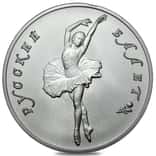
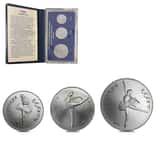
Another example is the Russian Ballerina Palladium coin, which was minted from 1989 to 1995. These coins are 99.9% pure palladium and have face values of 25, 50, and 100 rubles. They are considered to be legal tender in Russia.
It's important to note, however, that the face value of a palladium coin is typically much lower than its actual value based on the metal content. For example, the Canadian Palladium Maple Leaf has a face value of $50, but its metal content is worth much more than that. So while these coins are legal tender, they are primarily purchased and sold for their precious metal value rather than their face value.
When examining a palladium spot price chart, you may notice the term "troy ounce" used in reference to the weight of the metal. This can be confusing for those who are not familiar with the term. The main difference between an ounce and a troy ounce is in the weight measurement system used. While both ounces and troy ounces are units of weight, a troy ounce is slightly heavier than a regular ounce.
A regular ounce, also known as an avoirdupois ounce, is the weight measurement system used in the United States for common goods like food and household items. It is also used for measuring precious metals like gold, silver, and platinum in some parts of the world. One avoirdupois ounce is equivalent to 28.35 grams.
On the other hand, a troy ounce is the weight measurement system used for measuring precious metals, including palladium. It is slightly heavier than a regular ounce, with one troy ounce equivalent to 31.10 grams.
So, when looking at a palladium spot price chart, it is important to ensure that the unit of measurement being used is troy ounces, as this is the standard weight measurement system used for precious metals.
Palladium, like other precious metals, is considered a capital asset, which means it is subject to taxation under capital gains tax laws. This means that when you sell your palladium for more than you paid for it, you may be required to pay taxes on the profit. The amount of tax you pay will depend on various factors, such as your tax bracket, the length of time you held the palladium, and the amount of profit you earned.
In addition, when you purchase palladium, you may be required to pay sales tax, which is a tax on the sale of goods and services. The specific sales tax rate will depend on where you live and the local tax laws in your jurisdiction. In the United States, sales tax rates vary by state and can range from zero to several percentage points, depending on the state and locality.
It is important to consult with a tax professional or financial advisor to understand the specific tax implications of buying and selling palladium in your local jurisdiction. They can help you understand the tax laws and regulations that apply to your situation, as well as provide guidance on tax planning and strategies for minimizing your tax liability. By working with a professional, you can ensure that you are complying with all applicable tax laws and regulations, while also maximizing your investment returns.
Bid and ask prices are the two prices quoted in a financial instrument, including palladium. The bid price is the highest price that a buyer is willing to pay for a particular palladium asset, while the ask price is the lowest price that a seller is willing to accept for the same asset.
In other words, the bid price represents the demand for palladium, while the ask price represents the supply of palladium. The difference between the two prices is known as the bid-ask spread, which represents the profit or commission that the dealer earns when trading palladium.
For instance, if the bid price for palladium is $2,500 per ounce, and the ask price is $2,550 per ounce, the bid-ask spread is $50. This means that a trader looking to buy palladium would need to pay $2,550 per ounce, while a trader looking to sell palladium would receive $2,500 per ounce.
In general, bid and ask prices for palladium are set by market makers, such as bullion dealers, who act as intermediaries between buyers and sellers. The bid and ask prices can vary depending on a range of factors, such as market conditions, supply and demand, and geopolitical events. It's important for investors and traders to closely monitor bid and ask prices when buying or selling palladium, as the spread can have a significant impact on their profit or loss.
When purchasing palladium, it's important to buy from a reputable source to ensure the quality and authenticity of the product.
Some options include:
- Bullion dealers: Look for bullion dealers who specialize in precious metals and have a good reputation in the industry. They can offer a variety of palladium products and storage options.
- Online retailers: Many online retailers offer a convenient way to purchase palladium bullion from the comfort of your own home. It's important to research the reputation of the retailer before making a purchase.
- Local coin shops: Local coin shops may carry a limited selection of palladium bullion products, but can be a good option for those who prefer to make purchases in person.
- Auctions: Auctions can be a source for rare or collectible palladium coins, but it's important to be knowledgeable about the market and to carefully examine the product before making a bid.
Regardless of where you purchase palladium from, it's important to verify the authenticity and purity of the product and to carefully consider the security and storage options available. It's always a good idea to consult with a financial advisor or a precious metals specialist for additional guidance.
If you are interested in purchasing palladium, look no further than with Bullion Exchanges. Bullion Exchanges, in NYC's Diamond District, sells a wide range of precious metals, from gold to platinum. Ideal for both first-time buyers and collectors, their online store offers easy access to global options for investing in hard assets during uncertain economic times.
Yes, you can add palladium to your Individual Retirement Account (IRA). In fact, precious metals, including palladium, are a popular investment option for IRAs due to their potential as a hedge against inflation and currency fluctuations.
To add palladium to your IRA, you must open a self-directed IRA and choose a custodian who specializes in holding precious metals. The custodian will handle the storage and security of your palladium investment.
It's important to note that not all types of palladium bullion are eligible for IRAs. The bullion must meet certain purity standards and be manufactured by a reputable source. Your custodian can provide information on which types of palladium bullion are eligible for IRAs.
It's always a good idea to consult with a financial advisor or an IRA specialist for more information on the process and regulations for adding palladium to an IRA, as well as the potential benefits and risks involved.
IF YOU HAVE ANY QUESTIONS OR CONCERNS, PLEASE DO NOT HESITATE TO CONTACT US. OUR CUSTOMER SERVICE TEAM IS AVAILABLE MONDAY THROUGH FRIDAY FROM 9AM-5PM EST, EXCLUDING HOLIDAYS.