
 View Charts


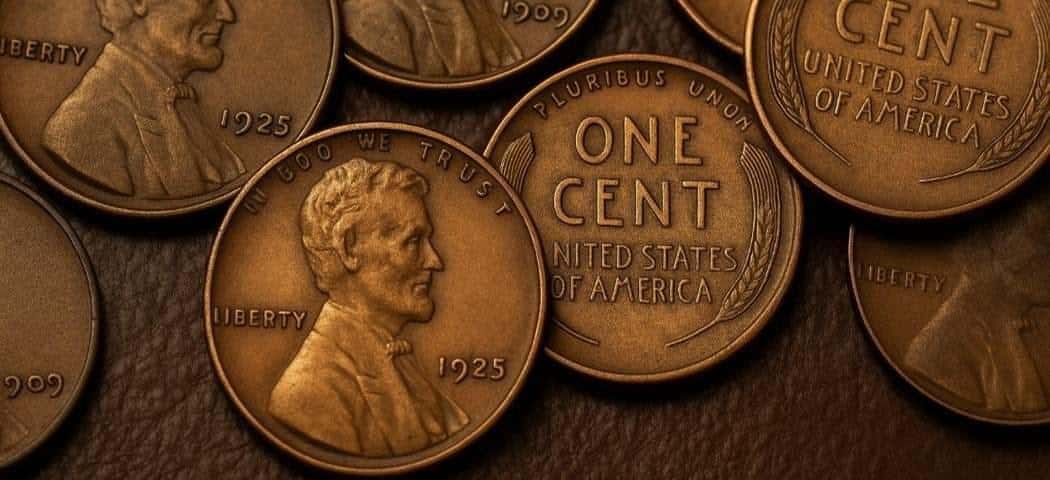
Why Lincoln Wheat Cents Remain a Collector Favorite
The Lincoln Wheat Cent, minted from 1909 to 1958, stands as one of America’s most cherished and collected coins. From casual collectors to seasoned numismatists, many begin their coin journeys with these iconic one-cent pieces. Known for their historical design and accessible value, Wheat Cents remain highly collectible - and some dates are worth small fortunes.
In this comprehensive guide, we explore the origins, mintmarks, key rarities, grading tips, and collecting strategies that make Lincoln Wheat Cents a timeless fixture in U.S. coin collecting.
A New Era in U.S. Coinage: The Origins of the Lincoln Cent
The release of the Lincoln Cent in 1909 marked a dramatic change in American coin design. Prior to this, U.S. coins generally featured allegorical imagery rather than real historical figures. But President Theodore Roosevelt wanted U.S. coinage to reflect national pride and artistic excellence - and he pushed for modernization across all denominations.
To honor the 100th anniversary of Abraham Lincoln’s birth, Roosevelt commissioned Victor David Brenner, a talented Jewish-Lithuanian immigrant sculptor, to design the new penny. Brenner’s artwork captured Lincoln’s likeness with humility and dignity, setting the stage for a revolutionary shift in American coinage. The public embraced the coin immediately, and its debut marked the first time a U.S. president was featured on a circulating coin.
Understanding the Wheat Reverse Design
The Lincoln Wheat Cent features a simple yet powerful design.
Obverse Details:
-
Lincoln’s profile faces right, modeled after a plaque Brenner had previously sculpted
-
Inscriptions: “IN GOD WE TRUST”, “LIBERTY”, and the date with mintmark
Reverse Details:
-
Two wheat stalks frame the words “ONE CENT” and “UNITED STATES OF AMERICA”
-
“E PLURIBUS UNUM” appears above
This reverse earned the coin its nickname: the “Wheat Penny.” Interestingly, Brenner originally included his initials “V.D.B.” prominently on the reverse, but they were quickly removed after controversy. They were reintroduced in 1918 in a more subtle location - beneath Lincoln’s shoulder on the obverse - where they remain today.
Where They Were Minted: U.S. Mint Locations and Mintmarks
Lincoln Wheat Cents were produced at three major U.S. Mint facilities:
-
Philadelphia (no mintmark)
-
Denver (D)
-
San Francisco (S)
Coins from San Francisco and Denver were often struck in lower quantities, especially in the early years. As a result, pennies with a “D” or “S” mintmark can be significantly more valuable than their Philadelphia counterparts. Knowing where your coin was made is one of the first steps in evaluating its potential worth.
Key Dates and Rarities Every Collector Should Know
While most Lincoln Wheat Cents are common, a few stand out due to rarity, production errors, or extremely low mintage.
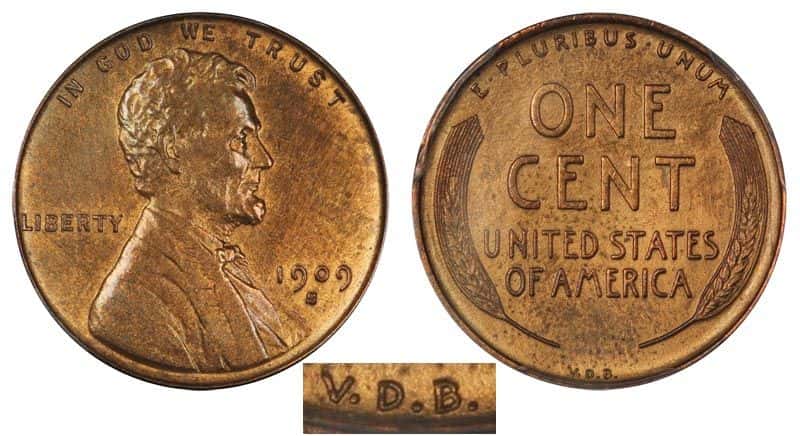
1909-S VDB Lincoln Wheat Penny
-
1909-S VDB – First-year issue with initials; only 484,000 minted
-
1914-D – Scarce Denver issue; highly sought after in higher grades
-
1922 “No D” – Minting anomaly where Denver coins were struck without a mintmark
-
1931-S – Final low-mintage Wheat Cent of the era, with just 866,000 produced
-
1943 Bronze Cent – Rare copper coin mistakenly struck during the steel penny year
-
1955 Doubled Die Obverse – Notable for strong doubling of the date and inscriptions
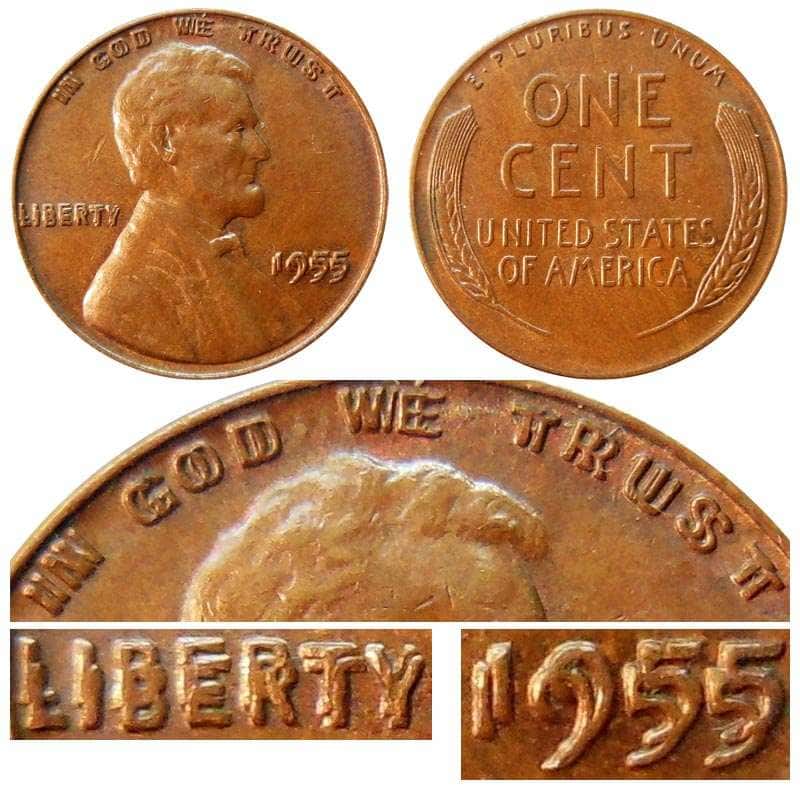
1955 Doubled Die Obverse Lincoln Wheat Penny
These coins often fetch hundreds or even thousands of dollars at auction, depending on condition and certification.
How to Spot Valuable Lincoln Wheat Cents
Collectors should be on the lookout for the following traits when searching for rare or valuable Wheat Cents:
-
Unusual doubling on letters or numbers
-
Planchet errors such as off-center strikes or wrong-metal compositions
-
Sharp details in Lincoln’s hair and the wheat lines on the reverse
-
Luster and a lack of major surface damage
If you suspect your coin might be rare, consider submitting it to a professional grading service for authentication and preservation.
Evaluating Condition: Coin Grading Tips for Wheat Cents
A coin’s grade, or state of preservation, significantly affects its value. While only certified grading services like PCGS or NGC can assign official grades, collectors can do a basic evaluation at home:
-
Good (G4): Worn surfaces, little detail, but readable date and mintmark
-
Fine (F12): Light wear with visible wheat lines and some facial detail
-
Extremely Fine (EF40): Minimal wear, clear details, and light luster
-
Mint State (MS60–MS70): No wear, strong luster, and sharp features
Look especially at the tops of the wheat stalks - if the lines are worn smooth, the grade is likely lower.
Collecting Wheat Cents: Tips for Beginners and Advanced Hobbyists
Whether you're just starting out or building a registry-quality set, here are some collecting tips:
-
Start with a date and mintmark set (1909–1958)
-
Use coin albums or holders to protect your collection
-
Buy from reputable dealers or certified coin shows
-
Seek certified coins for higher-value pieces
Building a complete set is both fun and rewarding, especially when you discover a rare variety in pocket change, estate sales, or inherited collections.
Market Trends: Are Lincoln Wheat Cents Still a Good Investment?
Despite their age, Lincoln Wheat Pennies continue to attract strong interest from collectors and investors alike. Key date coins have shown steady value growth, especially those with third-party grading and population scarcity.
Factors influencing the Wheat Cent market:
-
Increased public interest in coin collecting post-2020
-
Strong auction demand for top-grade examples
-
Ongoing discoveries of error coins and hoards
-
Announcement of the U.S. Mint discontinuing the penny in 2025, boosting nostalgia and collector demand
Wheat Pennies, especially key dates and certified rarities, can be a smart long-term addition to any numismatic portfolio.
The Legacy of the Lincoln Wheat Cent
The Lincoln Wheat Cent is more than just pocket change - it's a tangible piece of American history. From its elegant design by Victor D. Brenner to its hidden rarities and minting quirks, this cent has captivated generations of collectors.
Whether you're drawn to its symbolism, hunting for high-value varieties, or simply enjoying the thrill of discovery, the Lincoln Wheat Cent series offers something for every level of collector.
Images sourced from: usacoinbook.com
Another article that may interest you:
Mercury Dime (1916–1945): A Timeless American Classic