
 View Charts


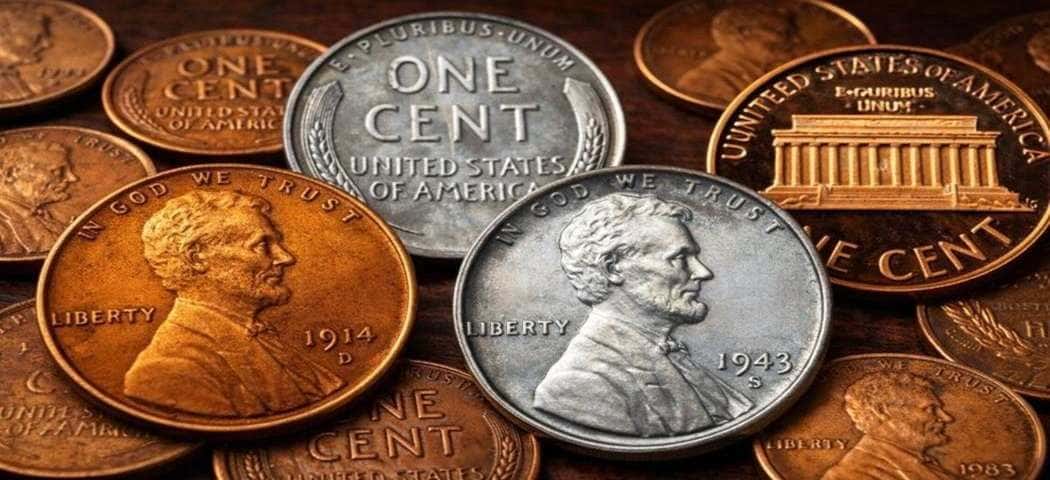
Why Some Pennies Are Worth More Than One Cent
Most pennies are worth exactly one cent. Yet certain valuable pennies have sold for hundreds, thousands, and in rare cases, over a million dollars. So what makes a penny valuable while millions of others remain common pocket change? The answer lies in a combination of rarity, condition, mint errors, historical significance, metal composition, and collector demand.
Searches for “pennies worth money,” “rare Lincoln cents,” and “how much is my penny worth” remain consistently high because the Lincoln cent is one of the most widely collected coins in American history. Understanding what determines penny value allows collectors and investors to separate everyday coins from genuinely valuable examples.
This guide explains exactly what makes a penny valuable — and how to tell if yours might be worth more than face value.
1. Rarity: The Primary Driver of Valuable Pennies
The most important factor in determining whether a penny is valuable is scarcity. Coins with low mintages or limited surviving examples naturally command stronger prices.
Key-Date Lincoln Wheat Pennies Worth Money
Certain Lincoln cents are known as “key dates” because far fewer were produced or survived in collectible condition. These include:
Collectors attempting to build complete Lincoln cent sets must acquire these issues, creating steady demand. When supply is limited and demand remains consistent, prices rise accordingly.
However, rarity alone does not guarantee high value. A scarce coin in heavily worn condition may sell for far less than a high-grade example of the same date.
2. Condition: Why Coin Grade Changes Everything
Condition often acts as the single biggest multiplier of value.
Coins are graded on a 1–70 scale:
-
Circulated grades (Good to About Uncirculated) show visible wear.
-
Mint State (MS60–MS70) coins remain uncirculated.
-
Proof coins (PR60–PR70) are specially struck for collectors.
A common Lincoln cent in circulated condition may be worth only a few cents. The same coin in Mint State 67 or higher could be worth dramatically more. The difference between MS65 and MS67 can represent a substantial price increase due to scarcity at higher grade levels.
Professional third-party grading services such as PCGS and NGC provide authentication and standardized grading, increasing market confidence and resale liquidity.
3. Mint Errors and Die Varieties
Some of the most famous valuable pennies were created unintentionally.
Famous Penny Errors Worth Money
-
1943 Bronze Lincoln cent (should have been steel)
-
1969-S Doubled Die obverse
-
1992 Close AM reverse variety
These coins were struck with misaligned dies, doubling, or transitional metal compositions. Because mint errors were not intended for release, they are typically rare.
Other Mint Errors That Add Value
-
Off-center strikes
-
Double strikes
-
Repunched mint marks
-
Die cracks and cuds
Collectors frequently search circulation for error coins, making mint mistakes one of the most popular categories in numismatics. However, authentication is critical — many damaged coins are mistakenly believed to be errors.
4. Metal Composition and Intrinsic Value
Metal content can influence penny value, particularly for older issues.
Pre-1982 Copper Pennies
Pennies minted before mid-1982 contain approximately 95% copper, giving them intrinsic metal value beyond one cent. While melt value fluctuates with copper prices, collector demand usually plays a larger role in determining premiums.
1943 Steel Cents
During World War II, copper was needed for wartime production. In 1943, pennies were struck in zinc-coated steel. While most 1943 steel cents are common, the rare bronze examples from that year are among the most valuable pennies ever produced.
Unlike bullion coins tied directly to the gold spot price or silver spot price, most Lincoln cents derive value from rarity and condition rather than metal content alone.
5. Historical Significance and Design Appeal
Some pennies are valuable because they represent key moments in American history.
The Lincoln cent, introduced in 1909 to commemorate Abraham Lincoln’s 100th birthday, was the first U.S. coin to feature a real historical figure. Over time, its design evolved:
-
Wheat Reverse (1909–1958)
-
Lincoln Memorial (1959–2008)
-
Union Shield (2010–present)
Certain years hold special significance:
-
1909 introduction year
-
Bicentennial commemoratives
Coins connected to major historical events often maintain strong collector interest even when not exceptionally rare.
6. Market Demand and Timing
Coin values fluctuate with broader market trends.
During periods of economic uncertainty, interest in tangible assets often increases. While bullion coins respond directly to movements in the gold spot price and silver spot price, numismatic coins like rare Lincoln cents are influenced primarily by collector participation.
That said, heightened attention to precious metals markets can spill over into increased demand for historic U.S. coinage.
Ultimately, what makes a penny valuable is the intersection of scarcity and demand.
7. How to Tell If Your Penny Is Valuable
If you’re wondering whether your penny is worth money, follow this checklist:
Step 1: Check the Date and Mint Mark
Look for key dates such as 1909-S, 1914-D, 1931-S, or unusual varieties like the 1922 No D.
Step 2: Inspect for Errors
Use magnification to check for doubling, off-center strikes, or design anomalies.
Step 3: Assess Condition
Avoid cleaning the coin. Compare it to professional grading references.
Step 4: Research Auction Results
Look at recent verified sales for comparable coins.
Step 5: Consult a Reputable Dealer or Submit for Grading
Professional evaluation ensures authenticity and proper value assessment.
Many pennies are common and worth only face value, but rare dates, high-grade examples, and genuine mint errors can command significant premiums.
8. Top Valuable Lincoln Pennies (Quick Reference)
Some of the most sought-after pennies include:
-
1909-S VDB
-
1914-D
-
1922 No D
-
1943 Bronze
-
1955 Doubled Die
-
1969-S Doubled Die
These coins consistently appear in searches for “pennies worth money” due to their rarity and auction history.
What Truly Makes a Penny Valuable?
So what is it that makes a penny truly valuable?
Not simply age. Not simply metal content. And not every coin that “looks old.”
A penny becomes valuable when rarity, condition, authenticity, and collector demand align. Most pennies remain ordinary. But a small percentage represent key moments in U.S. history, production anomalies, or limited mintages that elevate them far above face value. For collectors researching standout examples, comprehensive resources like the Top 100 Most Valuable Wheat Pennies help identify which specific dates and varieties command the strongest premiums in today’s market.
Unlike bullion whose price fluctuates directly with the gold spot price or silver spot price, penny values depend primarily on numismatic fundamentals. The next time you examine your change, look carefully. While most pennies are common, a select few carry remarkable historical and financial significance.
FAQs
What makes a penny valuable?
A penny becomes valuable due to rarity, condition, mint errors, historical significance, or strong collector demand rather than age alone.
Are old pennies worth money?
Pennies dated 1964 or earlier are not automatically valuable like quarters and dimes are for their silver content, but certain key dates and high-grade examples can carry significant premiums.
What year pennies are worth the most?
Highly valuable pennies include the 1909-S VDB, 1914-D, 1922 No D, 1943 bronze, and 1955 doubled die Lincoln cents.
How much is a 1943 penny worth?
Most 1943 steel cents are common, but rare 1943 bronze pennies can sell for hundreds of thousands or more.
Are pre-1982 copper pennies valuable?
Pre-1982 pennies contain 95% copper and may be worth more than face value depending on copper prices and condition.
What is the most expensive penny ever sold?
A 1943 bronze Lincoln cent is among the most expensive, with auction prices exceeding one million dollars in top condition.
How do I know if my penny has a mint error?
Look for clear doubling, off-center strikes, or unusual spacing, and have suspected errors authenticated by a reputable expert.
Does cleaning a penny increase its value?
No. Cleaning a coin can reduce its value significantly and is strongly discouraged.
Where can I sell a valuable penny?
Valuable pennies can be sold through reputable coin dealers, auction houses, or professional numismatic marketplaces.