
 View Charts


Key Date Issues of the Lincoln Wheat Cent Series
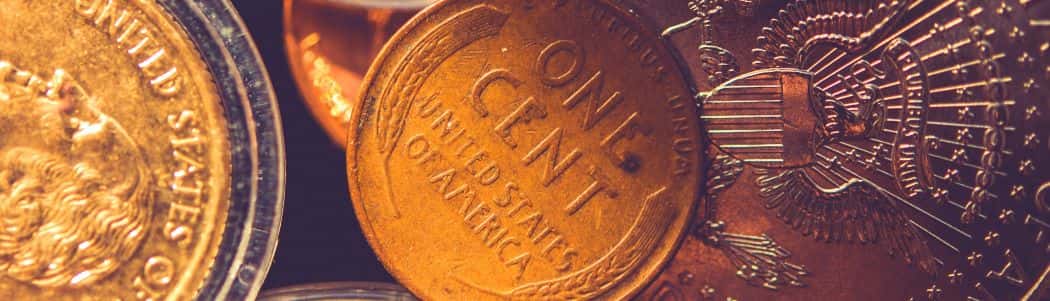
The Lincoln Wheat Cent series, minted from 1909 to 1958, remains a cornerstone of American numismatics due to its rich history and classic design. Introduced to celebrate the 100th anniversary of Abraham Lincoln’s birth, this coin has captured the fascination of collectors for over a century. Certain key date issues within this series are particularly notable for their rarity, historical context, and the stories they tell. In this article, we explore the key date issues of the Lincoln Wheat Cent series, providing insights into their background, rarity, and value.
The Iconic Design of the Lincoln Wheat Cent
The Lincoln Wheat Cent, designed by Victor David Brenner, marked the first time a real person's likeness was featured on a U.S. coin. The obverse displays a right-facing profile of Abraham Lincoln, with "LIBERTY" to the left and the date to the right. Initially, Brenner's initials, "VDB," were prominently displayed on the reverse, which led to some controversy and their subsequent removal. Emblematic of the nation’s agricultural foundation, the reverse side features two wheat stalks flanking the denomination and the country’s name. The Wheat Cent design remained in production until 1958, at which point it was succeeded by the Lincoln Memorial design. The symbolism and historical significance of the Wheat Cent’s design have made it a favorite among collectors for generations.
Key Date Issues
1909-S VDB Lincoln Cent
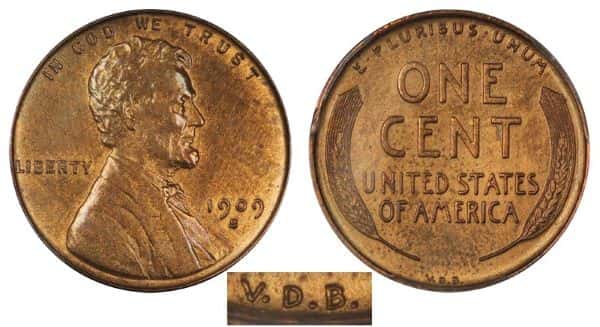
Image source: https://www.usacoinbook.com
Mintage: 484,000
Historical Context: The 1909-S VDB Lincoln Cent is one of the most famous key dates due to its low mintage and the controversy over the placement of Brenner’s initials. The initials were quickly removed, making the initial batch of coins with "VDB" highly sought after.
Collector’s Note: Its rarity and the story behind the initials makes the 1909-S VDB a highly coveted coin among collectors.
Value: Prices range from several hundred dollars for lower grades to upwards of $5,000 for higher-grade specimens.
1914-D Lincoln Cent
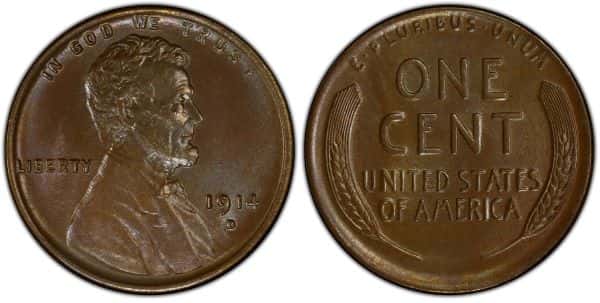
Image source: https://www.pcgs.com/coinfacts
Mintage: 1,193,000
Historical Context: The 1914-D Lincoln Cent, minted in Denver, is another significant key date due to its limited mintage. The economic conditions of the time meant that many of these coins saw heavy circulation, making high-grade examples particularly rare.
Collector’s Note: High-grade examples are particularly rare and valuable, adding to the coin’s desirability.
Value: Worn examples can fetch several hundred dollars, while uncirculated coins can sell for more than $6,000 dollars.
1922 No D Lincoln Cent
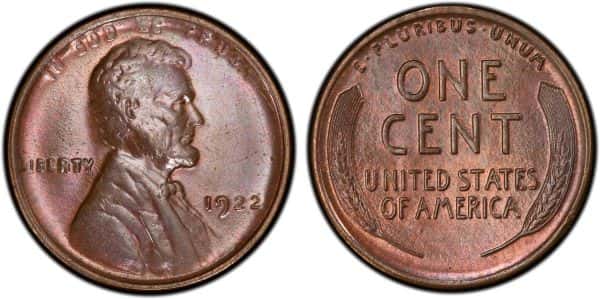
Image source: https://www.pcgs.com/coinfacts
Mintage: Unknown (error coin)
Historical Context: The 1922 No D Lincoln Cent is an error coin that resulted from a weak or missing mint mark during production at the Denver Mint. This occurred because the Denver Mint was the only facility producing cents that year, leading to a variety of striking issues.
Rarity and Value: The absence of the "D" mint mark makes this coin a significant rarity. Prices vary widely based on condition, but even lower-grade examples can command high prices, with pristine specimens reaching several thousand dollars. At a Heritage Auctions event in January 2022, a MS64 graded example sold for $43,200.
1931-S Lincoln Cent
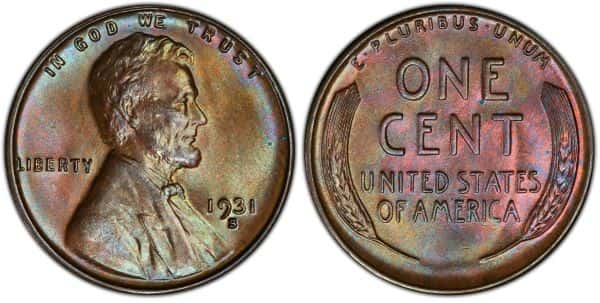
Image source: https://www.pcgs.com/coinfacts
Mintage: 866,000
Historical Context: Minted in the depths of the Great Depression, the 1931-S Lincoln Cent stands out with one of the lowest production numbers in the entire series. Economic hardships of the time resulted in reduced demand for coins, leading to limited production.
Collector’s Note: The coin’s rarity, combined with its historical context, makes it highly sought after by collectors.
Value: This coin's value ranges from $50 in circulated conditions to several hundred in mint state, driven by its rarity and the historical context of its production.
Other Notable Key Dates
- 1909-S: Without the VDB initials, this coin had a mintage of 1,825,000 and is still considered a key date due to its early issue and relatively low mintage.
- 1955 Doubled Die Obverse: Known for its dramatic doubling of the date and inscriptions on the obverse, this error coin is one of the most famous and prized in the series.
Coin Grading Benefits
If you come across a key date Lincoln Cent, consulting a numismatic expert is highly advisable. Professional coin grading provides critical benefits by ensuring coins are accurately assessed and authenticated. Organizations like the Professional Coin Grading Service (PCGS) and the Numismatic Guaranty Company (NGC) employ knowledgeable numismatists who use sophisticated methods to verify a coin's authenticity and condition. This process helps protect collectors and investors from counterfeit coins and enhances the coin's desirability in the market. Additionally, graded coins are sealed in secure, tamper-evident holders that safeguard them from environmental damage, preserving their quality and value over time and making them more appealing to potential buyers.
Conclusion
The Lincoln Wheat Cent series offers a fascinating glimpse into American history and numismatics. Key date issues such as the 1909-S VDB, 1914-D, 1922 No D, 1931-S, and the 1955 Doubled Die Obverse are highly sought after due to their rarity and the unique stories they represent. Collecting these coins not only adds value to your collection but also provides a tangible connection to America's past. At Bullion Exchanges, we provide expert guidance and a wide selection of collectible coins, including these essential Lincoln Cents. Peruse our website, visit our New York City Diamond District location, or contact us to enhance your collection with these remarkable pieces of history.
Related reading you may find interesting:
The Top 100 Most Valuable Wheat Pennies: Unlocking History, Rarity, and Value
1982 Penny Value & Varieties: The Year U.S. Cents Changed Forever