
 View Charts


A Numismatic Rarity with Legendary Status
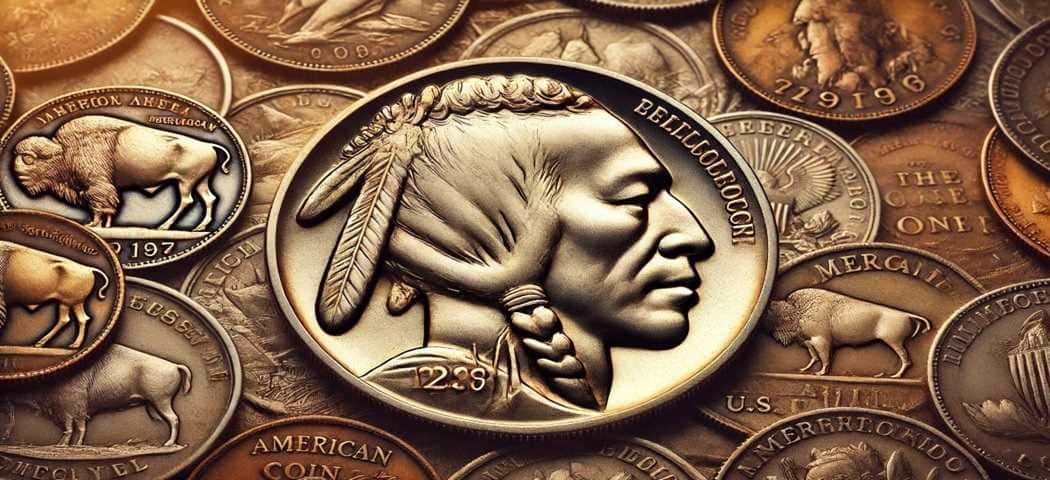
The 1918/7-D Overdate Buffalo Nickel is one of the rarest and most sought-after error coins in U.S. history. This unique minting mistake, in which a 1917-dated die was repunched with the 1918 date, resulted in a fascinating overdate error visible to collectors today.
With only a small number of examples known to exist, this coin is considered the Holy Grail of Buffalo Nickels, commanding high five- and six-figure prices at auction. In this guide, we’ll explore how the 1918/7-D Buffalo Nickel was created, why it’s so rare, how much it’s worth, and how to identify an authentic example.
The Buffalo Nickel: A Classic of American Coinage
A Design Inspired by the American Frontier
The Buffalo Nickel, minted from 1913 to 1938, is one of the most iconic U.S. coins, capturing the spirit of the American West. Designed by renowned sculptor James Earle Fraser, the coin features:
-
Obverse: A striking portrait of a Native American chief, believed to be a composite of three different tribal leaders.
-
Reverse: A majestic American bison (buffalo), modeled after Black Diamond, a well-known buffalo from the Central Park Zoo in New York.
The Buffalo Nickel series was known for its beautiful yet problematic design, as the high-relief details wore down quickly in circulation. This issue made certain dates and mintmarks harder to find in high grades—especially the 1918/7-D Overdate, which is one of the most valuable error coins in U.S. numismatics.
The 1918/7-D Overdate Buffalo Nickel: How the Error Happened
In 1918, the Denver Mint mistakenly used a 1917-dated die, which was later repunched with the new 1918 date. However, the underlying “7” was not fully removed, leaving a clear overdate error visible beneath the “8”.
This mistake resulted in a limited number of 1918/7-D Buffalo Nickels being released into circulation before the error was discovered. Many of these coins were heavily circulated, making high-grade examples exceptionally rare.
How Many 1918/7-D Buffalo Nickels Exist?
The exact number of surviving 1918/7-D Buffalo Nickels is unknown, but experts estimate that fewer than 200 examples remain, with only a small fraction in uncirculated condition.
-
Most examples were worn down in circulation before the error was widely recognized.
-
Many coins exhibit weak strikes, making it difficult to identify the overdate on low-grade specimens.
-
The majority of surviving examples are in well-worn condition, with uncirculated pieces being exceedingly rare.
Because of its scarcity and importance, this coin is a key date for collectors, making it one of the most valuable Buffalo Nickels ever struck.
How Much Is a 1918/7-D Buffalo Nickel Worth?
The value of a 1918/7-D Buffalo Nickel varies significantly based on condition. Even well-worn examples command high prices, while uncirculated specimens can reach hundreds of thousands of dollars.
Record-Breaking Auction Sales
-
$350,750 – A PCGS MS65 example sold for $350,750 at auction, one of the finest known specimens.
-
$125,350 – An MS64 example fetched $125,350, showcasing the strong demand for this key date.
-
$60,000 – $100,000+ – High-grade AU (About Uncirculated) examples have sold for five- to six-figure sums.
Estimated Value by Condition

The 1918/7-D Buffalo Nickel is an essential piece in any serious numismatic collection, with demand consistently outpacing supply.
How to Identify a Genuine 1918/7-D Buffalo Nickel
Due to its high value, many counterfeit or altered coins exist. Some fakes are regular 1918-D nickels with manipulated dates, while others are entirely fabricated counterfeits.
Key Ways to Authenticate a 1918/7-D Buffalo Nickel:
Look for the Overdate
-
The underlying “7” is clearly visible beneath the “8” in the date.
-
The overdate is easiest to see on higher-grade examples.
Examine the Mint Mark
-
The “D” mintmark for Denver should be clear and well-defined, located below the denomination on the reverse.
Check for Weak Strikes
-
Many authentic 1918/7-D nickels were struck with worn dies, leading to soft details—particularly on the bison’s head and tail.
Get It Professionally Certified
Having a certified, graded coin guarantees authenticity and market value, which is crucial when buying or selling this rare piece.
Other Rare and Valuable Buffalo Nickels
While the 1918/7-D Overdate is the rarest, several other Buffalo Nickels are also highly valuable:
1913-S Type 2 Buffalo Nickel – $40,000+
-
The first-year San Francisco Mint issue with a revised reverse design is a major key date.
1926-S Buffalo Nickel – $100,000+
-
The lowest-mintage regular issue Buffalo Nickel, with just 970,000 struck.
1937-D 3-Legged Buffalo Nickel – $80,000+
-
A famous mint error where the buffalo’s front leg was accidentally removed due to die over-polishing.
Each of these rare Buffalo Nickels holds a special place in U.S. numismatics, making them must-haves for serious collectors.
The Legacy of the 1918/7-D Buffalo Nickel
The 1918/7-D Overdate Buffalo Nickel remains one of the most valuable and sought-after coins in American history. Its unique overdate error, extreme rarity, and historical significance make it a holy grail for collectors.
If you think you own a 1918/7-D Buffalo Nickel, be sure to examine the date carefully and get it authenticated. Whether found in an old collection or acquired through an auction, this nickel is a true numismatic treasure—one that continues to break records and captivate collectors worldwide.