
 View Charts


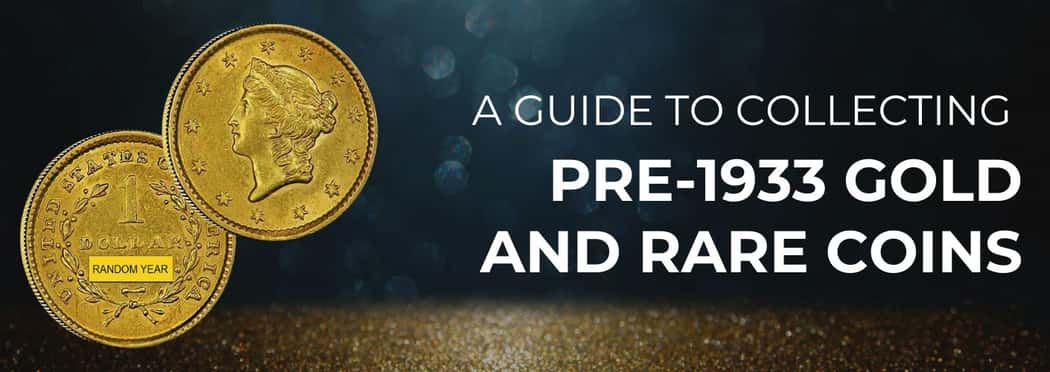
A Guide to Collecting Pre-1933 Gold and Rare Coins
Collecting pre-1933 gold and rare coins is a rewarding hobby that combines historical intrigue, aesthetic appreciation, and investment potential. These coins, minted before the United States abandoned the gold standard in 1933, offer a tangible link to the past and a unique opportunity for collectors and investors alike. Pre-1933 gold coins, minted by the United States Mint from 1795 to 1933, contain 90% gold and have face values ranging from $1 to $20. The largest denomination is the Gold Double Eagle, containing 0.9675 oz of gold, while the smallest is the $1 Liberty Head.
In this guide, we will explore the importance of pre-1933 gold coins, key types to consider, and tips for building a valuable collection that merges history with investment strategy.
The Significance of Pre-1933 Gold Coins
Pre-1933 gold coins are U.S. Mint coins produced before the government prohibited private gold ownership in 1933. During the Great Depression, President Franklin D. Roosevelt issued Executive Order 6102, mandating that U.S. citizens surrender their gold holdings, including gold bars and coins, in exchange for paper currency. This order aimed to stabilize the economy and increase the federal gold reserves. As a result, many gold coins were melted down, making surviving examples even more precious and rare.
These coins are prized not only for their gold content but also for their historical value. They represent a time when gold was a standard part of the monetary system, and they often feature beautiful and intricate designs. Collectors value them for their scarcity, aesthetic appeal, and the rich history they embody.
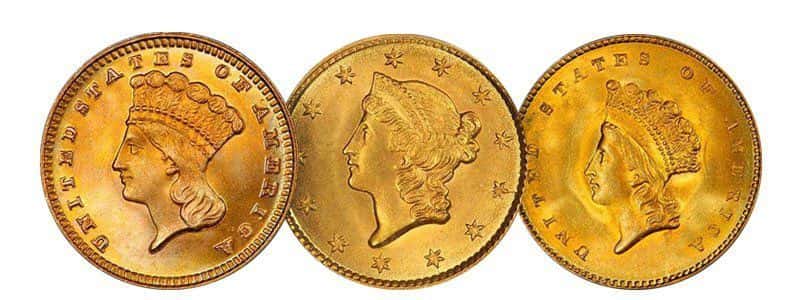
Pre-1933 $1 Gold Coins
Key Types of Pre-1933 Gold Coins
When starting a collection of pre-1933 gold coins, there are several key types to consider:
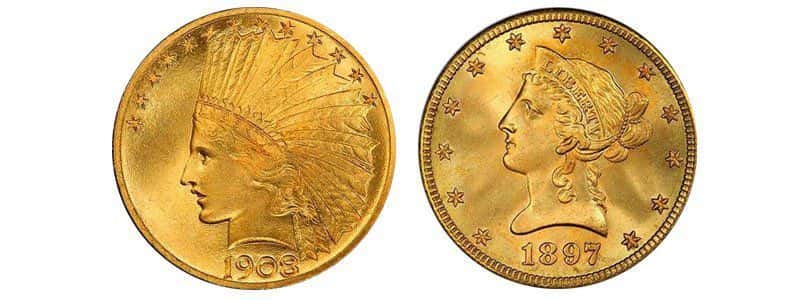
- Liberty Head Series (1838-1907): The Liberty Head design, created by James B. Longacre, includes several denominations: $1, $2.50 (Quarter Eagle), $3, $5 (Half Eagle), $10 (Eagle), and $20 (Double Eagle). The obverse typically features Lady Liberty wearing a coronet, while the reverse depicts a heraldic eagle. The Double Eagle is especially popular among collectors for its substantial gold content and historical significance.
- Indian Head Series (1907-1933): Designed by Bela Lyon Pratt and Augustus Saint-Gaudens, the Indian Head series includes $2.50 and $5 coins. The obverse features a Native American chief, and the reverse shows a bald eagle. The $10 and $20 coins, designed by Saint-Gaudens, are highly sought after for their artistic beauty and historical importance. The $20 Saint-Gaudens Double Eagle is often considered one of the most beautiful coins ever minted.
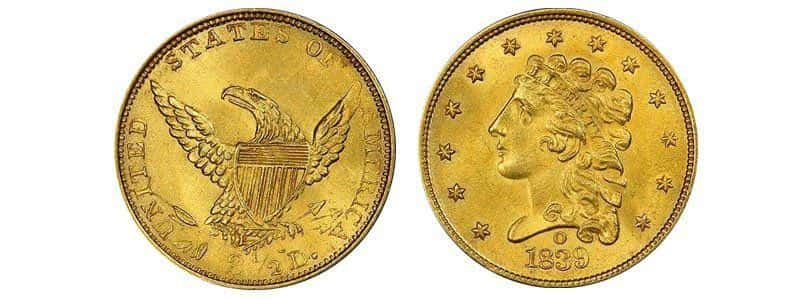
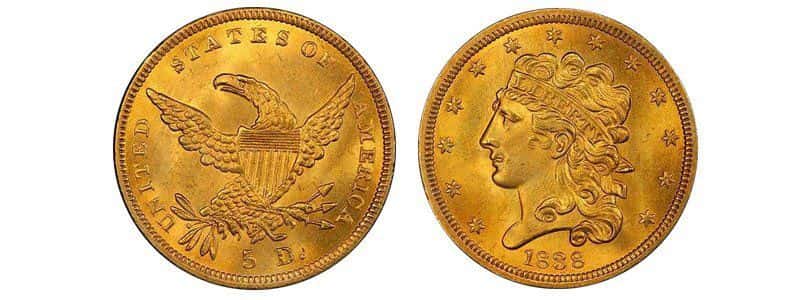
- Classic Head Series (1834-1839): The Classic Head design, also by James B. Longacre, was minted in response to a reduction in gold content mandated by Congress. This series includes $2.50 and $5 denominations. These coins are known for their simple yet elegant design, featuring Liberty with a headband inscribed "LIBERTY" and a bald eagle on the reverse.
- Coronet Head Gold Dollar (1849-1854): This series includes three types of gold dollars, with the Coronet Head being the most prominent. These coins are relatively small but carry significant historical value, especially the Type 1 variety minted between 1849 and 1854.
Pre-1933 Classic Quarter Eagle
Tips for Collecting Pre-1933 Gold Coins
- Set a Budget: Establish a clear budget for your collection. Pre-1933 gold coins can range in price from a few hundred to several thousand dollars, depending on their condition, rarity, and historical significance. Having a budget helps you focus on acquiring quality pieces within your financial means.
- Understand Grading: Coin grading is crucial for determining a coin's value. Coins are graded on a scale from Poor (P-1) to Perfect Mint State (MS-70). Higher-grade coins are generally more valuable. Familiarize yourself with grading standards and consider purchasing coins graded by reputable organizations such as NGC or PCGS.
- Buy from Reputable Dealers: Purchase coins from trusted dealers or auction houses to ensure authenticity and fair pricing. Look for dealers who are members of recognized numismatic organizations such as the Professional Numismatists Guild (PNG) or the American Numismatic Association (ANA).
- Focus on Key Dates and Varieties: Certain dates and varieties are more valuable and sought after. For example, the 1907 Saint-Gaudens Double Eagle High Relief and the 1856-O Liberty Head Double Eagle are highly prized. Research key dates and varieties to target in your collection.
- Proper Storage and Handling: Properly store and handle your coins to maintain their condition. Use coin holders, albums, cases, or boxes designed for numismatic collections. Avoid touching coins with your bare hands, as oils and dirt can damage the surfaces.
- Stay Informed: Stay updated on market trends, auction results, and new discoveries in the world of numismatics. Join coin clubs, attend shows, and read publications to expand your knowledge and connect with other collectors.
Classic Half Eagle
Should I Buy Certified or Raw Coins?
When collecting pre-1933 gold coins, you will encounter both certified and raw coins. Certified coins have been graded and authenticated by professional grading services such as the Numismatic Guaranty Corporation (NGC) or the Professional Coin Grading Service (PCGS). Raw coins, on the other hand, are sold in their original state without professional grading.
Certified Coins:
- Authenticity: Certified coins come with a guarantee of authenticity, reducing the risk of purchasing counterfeits.
- Grading Accuracy: Professional grading provides an accurate assessment of a coin’s condition, which is crucial for determining its value.
- Market Confidence: Certified coins are generally more trusted by buyers and sellers, making them easier to trade and often commanding higher prices.
Raw Coins:
- Lower Cost: Raw coins can sometimes be purchased at a lower cost than certified coins, potentially offering greater value if they are accurately graded by the buyer.
- Grading Opportunity: If you have the expertise, you might identify undervalued raw coins that can be submitted for grading and potentially increase in value.
Recommendation: For beginners, it is advisable to start with certified coins to ensure authenticity and accurate grading. As you gain experience and confidence, you can explore purchasing raw coins and potentially discover hidden gems.
Pre-1933 Eagles
Conclusion
Collecting pre-1933 gold and rare coins is a journey through history, art, and economics. These coins offer a unique opportunity to own a piece of America's past while potentially making a sound investment. By understanding the key types, setting a budget, and following best practices for collecting, you can build a valuable and cherished collection. Whether you are drawn to the artistry of the Saint-Gaudens Double Eagles or the historical significance of the Liberty Head series, pre-1933 gold coins are a rewarding addition to any numismatic collection.
Ready to start or expand your collection of pre-1933 gold coins? Visit Bullion Exchanges to explore our wide selection of these historically significant coins. Our inventory features a range of pre-1933 gold coins to suit collectors of all levels. If you have any questions or need assistance, our knowledgeable team is here to help.