
 View Charts


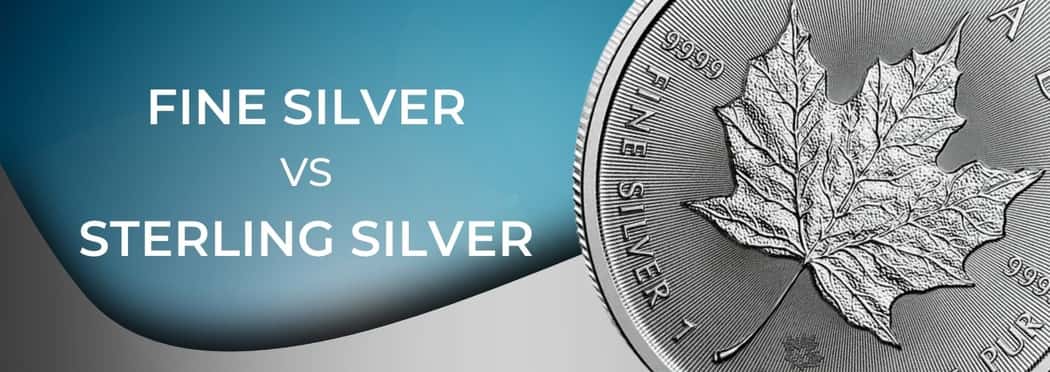
Fine Silver vs. Sterling Silver
Silver has long been revered for its beauty, versatility, and affordability compared to gold and other precious metals. When deciding on the best silver to buy, it is essential to understand the differences between fine silver and sterling silver to make the most informed choice. In this guide, we will explore what fine silver is, what sterling silver is, and how to test silver, as well as identify the top silver coins to invest in.
What Is Fine Silver?
Fine silver, also known as pure silver or .999 silver, is silver with a purity of at least 99.9%. This means that for every 1,000 parts, 999 are pure silver, with the remaining 0.1% being trace impurities. Fine silver is usually recognizable by its hallmark or stamp indicating ".999" or "999." It boasts a brilliant white luster and is highly malleable.
Applications of Fine Silver
Fine silver is primarily used to mint investment-grade coins and bars, such as the American Silver Eagle and Canadian Maple Leaf coins.
2. Industrial Applications
Fine silver is also used in various industries, such as electronics, solar panels, and medical devices, due to its high conductivity and antibacterial properties.
3. Jewelry
Though less common due to its softness, some jewelers use fine silver to create intricate pieces.
Advantages:
- High purity
- Valuable for investment purposes
- Hypoallergenic, making it suitable for sensitive skin
Disadvantages:
- Soft and prone to scratching and denting
- Requires careful handling and storage
What Is Sterling Silver?
Sterling silver is an alloy containing 92.5% silver and 7.5% other metals, usually copper. This combination improves the durability and strength of silver while retaining much of its beauty. Sterling silver is typically marked with a hallmark or stamp that reads "925," signifying its purity.
Applications of Sterling Silver:
1. Jewelry and Accessories
Sterling silver is widely used for rings, bracelets, necklaces, and cufflinks due to its durability and luster.
2. Tableware and Decor
It is a popular choice for flatware, serving trays, and decorative items due to its resistance to tarnish and aesthetic appeal.
3. Industrial Components
Some electrical and mechanical components use sterling silver because of its conductivity and durability.
Advantages:
- Durable, resistant to scratching, and suitable for everyday wear
- Retains much of fine silver’s hypoallergenic and aesthetic properties
- More affordable than fine silver
Disadvantages:
- Susceptible to tarnishing due to copper content
- Needs consistent cleaning and polishing to preserve its luster.
Silver Testing: How to Verify Authenticity
To confirm the authenticity of silver items and differentiate between fine and sterling silver, various testing methods can be used:
- Magnet Test: Silver is not magnetic, so if your item is strongly attracted to a magnet, it is unlikely to be silver.
- Stamp or Hallmark: Look for markings like "999," ".999," "925," or "Sterling" to identify the purity of the item. However, counterfeit items may still have these markings.
- Acid Test: A small drop of nitric acid can identify the purity of silver based on the color of the reaction. However, this test requires caution, as it can damage the item.
- Professional Testing: For high-value items, consider seeking a certified jeweler or metallurgist to authenticate your silver.
Top Silver Coins to Invest In
Investing in silver coins can be a strategic way to diversify your portfolio and hedge against market volatility. Here are some of the top silver coins to consider:
- American Silver Eagle: As the official bullion coin of the United States, it contains one troy ounce of .999 fine silver and is highly recognized worldwide.
- Canadian Silver Maple Leaf: Issued by the Royal Canadian Mint, this coin also contains one troy ounce of .9999 fine silver and is renowned for its high purity and detailed design.
- Austrian Silver Philharmonic: This European favorite contains one troy ounce of .999 fine silver and features a design honoring Austria’s Philharmonic Orchestra.
- British Silver Britannia: With a design of Britannia and one troy ounce of .999 fine silver, this coin is a trusted choice in the global market.
- Mexican Silver Libertad: The Libertad series, issued by the Mexican Mint, features various weights, all containing .999 fine silver and representing Mexico’s cultural heritage.
- Australian Silver Kangaroo: Issued by the Perth Mint features, it displays a detailed kangaroo design and Queen Elizabeth II's effigy. Known for its high quality and purity, this Brilliant Uncirculated (BU) coin is popular among investors and collectors.
Conclusion
When deciding between fine silver and sterling silver, it's essential to consider the intended use and desired level of purity. Fine silver is better suited for investment and industrial purposes, while sterling silver shines in jewelry and decorative applications. Understanding what fine silver is, what sterling silver is, and how to test them will help ensure your investments are valuable and genuine. Investing in silver coins offers a tangible, reliable way to preserve wealth and diversify your financial portfolio.
At Bullion Exchanges, we're always here to answer your questions, whether about fine silver or sterling silver. Feel free to contact us anytime via email, phone or our live chat. If you're in New York City, visit us at our store in the Diamond District at 30 West 47th Street Store 1. We're open Monday to Friday from 9 a.m. to 4 p.m.