
 View Charts


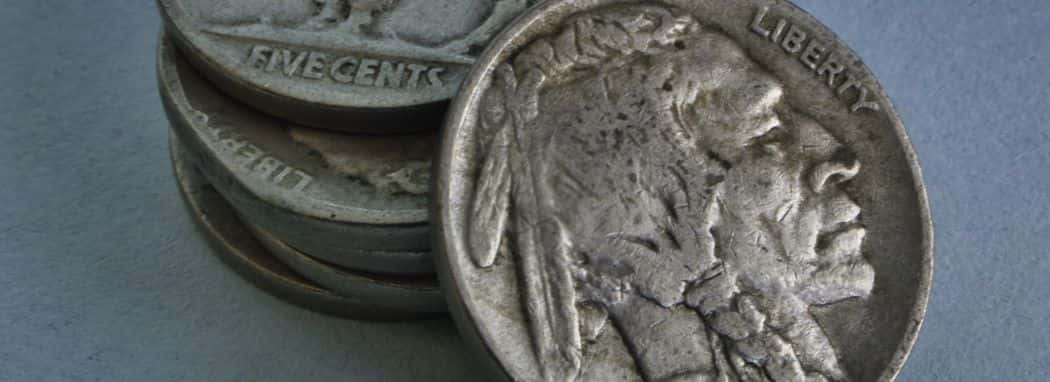
Buffalo Nickel Series: Key Date Issues and Errors
The Buffalo Nickel, also known as the Indian Head Nickel, is a beloved coin among collectors and numismatists. Designed by James Earle Fraser, it was minted from 1913 to 1938 and features iconic imagery of a Native American on the obverse and an American bison on the reverse. The coin's unique design and historical significance have made it a staple of American numismatics. In this article, we delve into the key date issues and notable mint errors of the Buffalo Nickel series, providing insights into their historical context, rarity, and value.
1913-S Type 2 Buffalo Nickel
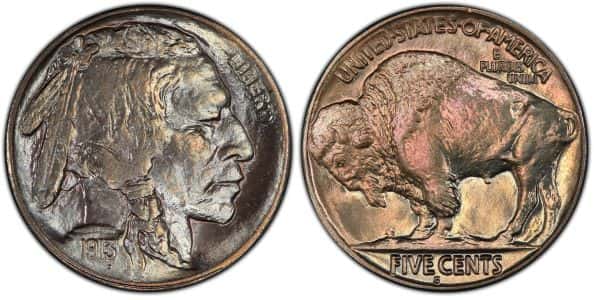
Image source: https://www.pcgs.com/coinfacts
Historical Context: The Buffalo Nickel series began in 1913, with the San Francisco Mint producing some of the most sought-after coins. The original Type 1 design depicted the buffalo standing on a raised mound, which led to excessive wear on the "FIVE CENTS" denomination. The 1913-S Type 2 features a revised design with a recessed denomination to reduce wear.
Rarity and Value: With a mintage of just 1,209,000, this coin is rare, particularly in higher grades. Its historical significance as part of the first year of issue and design transition makes it highly valuable, with prices ranging from several hundred to several thousand dollars, depending on condition.
1916/16 Buffalo Nickel Doubled Die
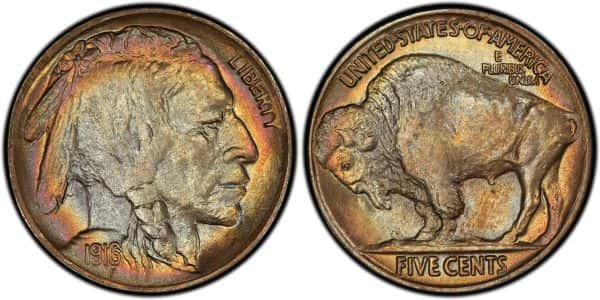
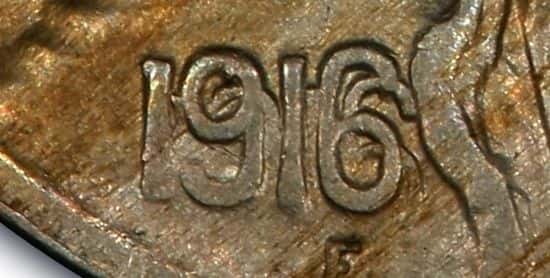
Image source: https://www.pcgs.com/coinfacts
Historical Context: The 1916/16 Doubled Die error stands out as one of the most renowned varieties within the series. A misalignment during the minting process caused the date to be stamped twice, resulting in a noticeable doubling effect.
Rarity and Value: This Philadelphia Mint error coin is extremely rare and highly sought after by collectors. Even in lower grades, it can fetch thousands of dollars, while uncirculated high-grade examples can exceed $250,000.
1918-D 8/7 Buffalo Nickel Doubled Die
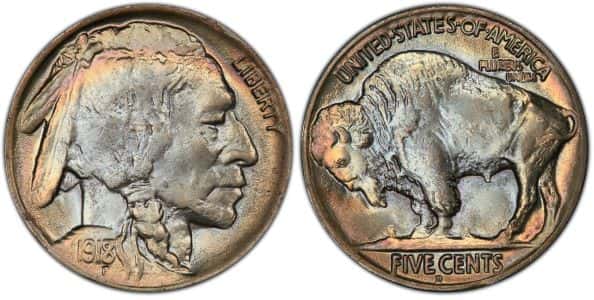
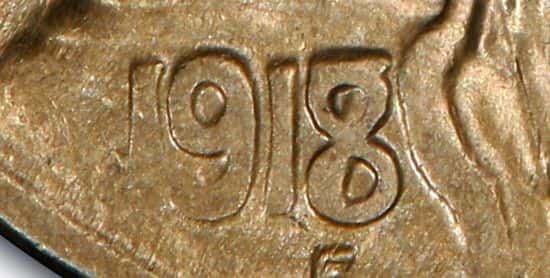
Image source: https://www.pcgs.com/coinfacts
Historical Context: Another prominent error is the 1918-D 8/7 overdate, where the "7" is clearly visible under the "8" in the date. This error occurred at the Denver Mint and is one of the standout varieties in the series.
Rarity and Value: Due to its distinctive overdate and rarity, this coin is highly prized. Values range from about $1,000 in lower grades to over $300,000 in higher grades.
1921-S Buffalo Nickel
Historical Context: The post-World War I era saw economic difficulties, leading to lower mintages of certain coins. The 1921-S Buffalo Nickel is a prime example, with only 1,557,000 minted.
Rarity and Value: The 1921-S nickel is rare, especially in high grades. Circulated examples are more common, but uncirculated coins are scarce and highly desirable, with prices ranging from several hundred to over $5,000.
1926-S Buffalo Nickel
Historical Context: With the lowest mintage of any regular-issue Buffalo Nickel at just 970,000, the 1926-S stands out for its rarity. Poor striking quality and weak details are common issues with this coin.
Rarity and Value: The 1926-S is one of the most challenging Buffalo Nickels to find in good condition. Its value ranges from several hundred dollars in lower grades to thousands in higher grades, with well-preserved examples commanding even higher premiums. At a Heritage Auction event held in January 2023, an example graded MS-65 by the NGC was sold for $55,200.
1937-D Three-Legged Buffalo Nickel
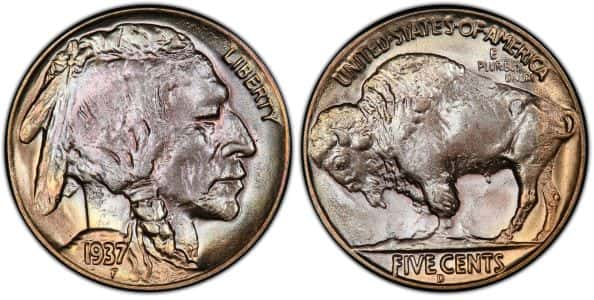
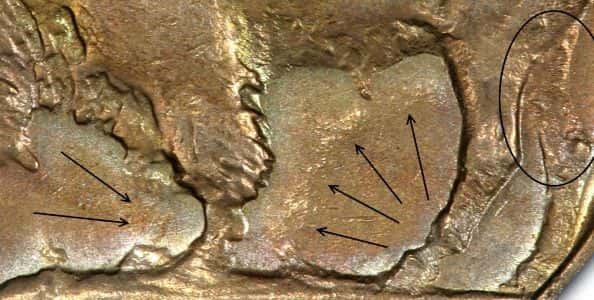
Image source: https://www.pcgs.com/coinfacts
Historical Context: The 1937-D Three-Legged Buffalo Nickel is one of the most famous mint errors in U.S. coinage. The error occurred when a mint worker over-polished the die, inadvertently removing part of the buffalo's leg.
Rarity and Value: This iconic error coin is highly sought after for its unique appearance and rarity. Values range from a few hundred dollars in lower grades to over $10,000 in higher grades.
The Advantage of Professional Coin Grading
If you discover a Buffalo Nickel key date or mint error coin, it is highly recommended to seek the guidance of a numismatic expert. Professional coin grading offers numerous benefits, enhancing both the security and value of coin collections. Services like the Professional Coin Grading Service (PCGS) and the Numismatic Guaranty Company (NGC) provide expert evaluations, ensuring coins are accurately authenticated and graded. This standardization helps eliminate subjective judgments and increases buyer confidence by confirming the coin's legitimacy and condition. Encapsulating coins in tamper-proof holders also protects them from environmental damage and physical wear, preserving their state for future generations. As a result, graded coins often command higher market prices and are more attractive to collectors and investors.
Conclusion
The Buffalo Nickel series offers a rich tapestry of historical significance, artistic design, and intriguing mint errors. Key date issues like the 1913-S Type 2, 1916/16 Doubled Die, 1918-D 8/7, 1921-S, 1926-S, and the 1937-D Three-Legged Buffalo Nickel are highly prized by collectors. These coins not only represent important moments in U.S. minting history but also provide a tangible connection to America's past. At Bullion Exchanges, we provide expert advice and a wide selection of collectible coins. Visit our location in New York City, our website, or contact us to enhance your collection with these numismatic treasures.