
 View Charts


A guide to investing in silver
Silver is a unique asset class that can diversify an investment portfolio, hedge against inflation, and offer potential for significant financial gains. Known for its high conductivity and antibacterial properties, silver has applications in industries ranging from electronics to medicine, impacting its value beyond simple market speculation. This guide provides a comprehensive overview of how to invest in silver, including practical tips for purchasing and managing your investments.
Understanding Silver as an Investment
Silver's value is derived from both its physical properties and its role as a financial instrument. Unlike gold, which is mostly purchased for investment or jewelry, silver has substantial industrial demand, which can influence its price volatility. This makes silver an interesting option for investors looking to leverage economic cycles, as industrial demand increases with economic growth, potentially driving up silver prices.
Ways to Invest in Silver
Investing in silver can be approached in several ways, each with its own set of strategies, risks, and benefits:
-
Physical Silver
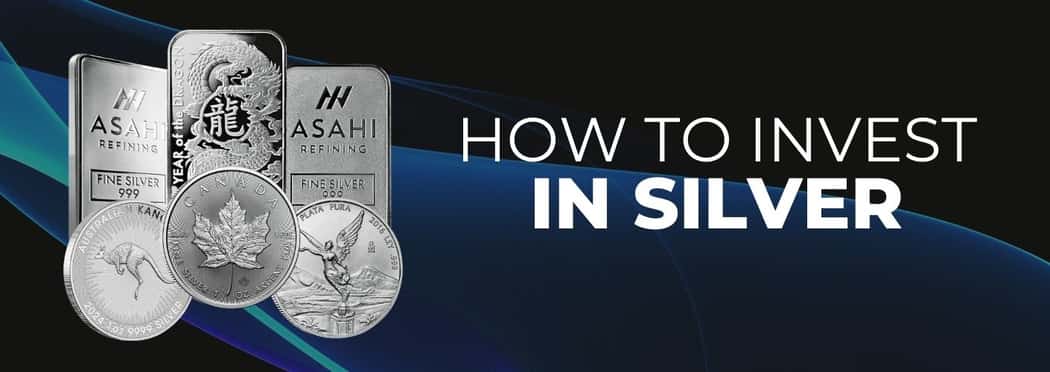
Coins and Bars: The most direct way to own silver is through purchasing coins or bars. This can be done via coin dealers, precious metal firms, and certain banks. Popular investment-grade coins include the American Silver Eagle and the Canadian Maple Leaf. When buying bars, investors can choose from a variety of weights, with smaller bars generally carrying higher premiums over the spot price of silver.
Collectibles and Antiques: For those interested in numismatics or history, collectible silver items can be a valuable investment. However, the premiums above the metal content can be substantial, and the resale value is not always predictable.
-
Silver Exchange-Traded Funds (ETFs)
ETFs provide exposure to the daily movement of silver prices without the need to physically hold the metal. This is a convenient option for investors not interested in dealing with the challenges of storing and insuring physical silver.
-
Silver Mining Stocks
Investing in companies that mine silver can offer leverage over the price of silver itself. As silver prices increase, the profitability of silver mining companies typically rises, potentially leading to higher stock prices. However, this method also introduces risks associated with individual company performance and mining sector volatility.
-
Silver Futures and Options
More experienced investors might consider silver futures and options to speculate on the price of silver or hedge other investments. Futures contracts represent an agreement to buy or sell silver at a future date at a predetermined price, offering opportunities for high leverage. However, this also means a higher risk of loss.
Tips for Investing in Silver
- Understand the Market: The silver market is influenced by both economic indicators and market sentiment. Keeping informed through market analysis and news can help investors make better decisions about when to buy or sell.
- Consider Dollar-Cost Averaging: Given silver's price volatility, dollar-cost averaging can be an effective strategy. This involves regularly investing a fixed amount of money into silver, which can reduce the risk of investing a large amount at an inopportune time.
- Diversify Your Holdings: Don’t put all your eggs in one basket. While silver can be a profitable investment, it should be part of a diversified portfolio that may include other precious metals, equities, bonds, and real estate.
- Be Mindful of Storage and Insurance: If purchasing physical silver, consider the costs and logistics of storage and insurance. Safe deposit boxes at banks, personal safes, and secure storage facilities are common options. Make sure to safeguard your investment against theft and damage.
- Know the Tax Implications: Be aware of the tax consequences associated with investing in silver. In many jurisdictions, profits from silver investments are subject to capital gains taxes. Understanding these implications can help in planning and maintaining profitability.
- Monitor Premiums and Fees: When buying physical silver or silver investment products, always be aware of the premiums and transaction fees. These can vary significantly and impact the overall cost of your investment.
Conclusion
Investing in silver can provide financial benefits and a sense of security during uncertain economic times. By understanding the various ways to invest in silver and applying strategic buying and management techniques, investors can maximize their potential returns and enjoy the unique advantages offered by this precious metal.
Bullion Exchanges: Your Partner in Silver Investment
Looking to diversify your portfolio by trading assets for silver? Bullion Exchanges is a trusted and accredited dealer ready to assist you. Contact us today to explore the advantages of partnering with us for your silver investment needs!