View Charts
How a Global Trade War Could Reshape Precious Metals
 0
0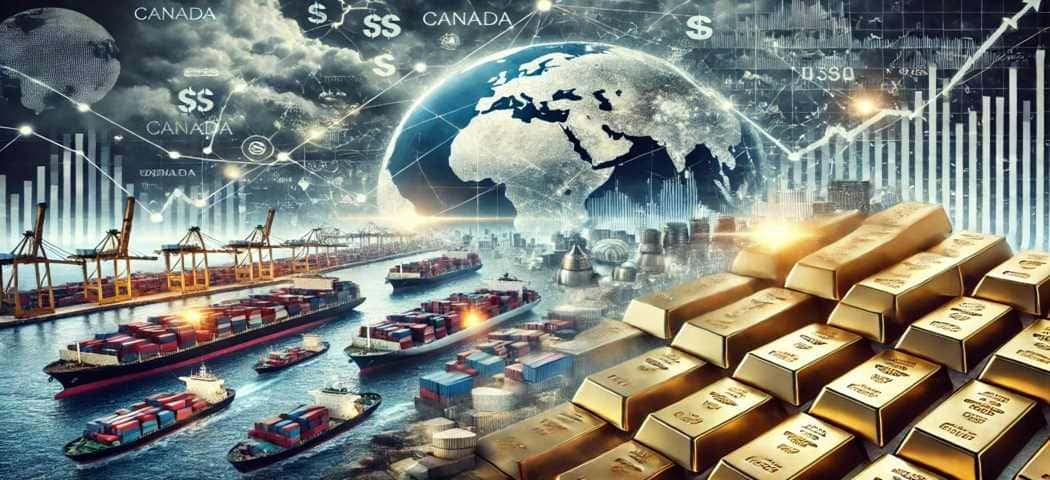
Tariffs and Trade Conflicts: A Catalyst for Market Shifts
The world may be on the brink of a global trade war, triggered by the tariffs implemented by President Donald Trump on February 1, 2025. With 25% tariffs on imports from Canada and Mexico, and 10% on imports from China, these policies are expected to have far-reaching effects on industries, including the precious metals market.
A global trade war could disrupt supply chains, influence inflation rates, and impact currency values—all of which play a crucial role in determining gold and silver prices. For investors in precious metals, understanding these potential outcomes is essential for making informed decisions.
How Trade Wars Historically Impacted Precious Metals
Trade wars have historically had significant effects on gold and silver prices. By looking at past trade conflicts, we can better understand how today’s tariffs may impact the precious metals market.
The American Revolution (1765–1783) – Trade Restrictions and Currency Crisis
-
British trade policies, including the Navigation Acts and heavy taxation, restricted the American colonies' ability to trade freely.
-
The Boston Tea Party (1773) was a direct protest against British control over trade.
-
Britain limited gold and silver flow to the colonies, causing a currency shortage and increased demand for precious metals.
-
Economic pressure helped spark revolutionary conflict, leading to U.S. independence and the eventual establishment of an independent monetary system.
The Smoot-Hawley Tariff Act (1930) – Economic Collapse & Gold Demand Surge
-
Heavy U.S. tariffs led to retaliatory measures from other nations, drastically reducing global trade and worsening the Great Depression.
-
Gold demand surged as investors sought a safe-haven asset during economic turmoil.
The U.S.-Japan Trade Disputes of the 1980s – Currency Manipulation & Gold’s Strength
-
The U.S. accused Japan of unfair trade practices, leading to global economic tensions.
-
Japan agreed to currency revaluation, weakening the U.S. dollar and pushing gold prices higher as a hedge against dollar instability.
-
Trade agreements and diplomacy helped ease tensions, but the effects on currency markets continued for years, benefiting gold investors.
The U.S.-China Trade War (2018-2020) – Economic Uncertainty & Precious Metals Gains
-
U.S. tariffs on Chinese imports triggered retaliatory measures, creating economic instability.
-
Gold prices rose from $1,200 per ounce in mid-2018 to over $1,550 by early 2020, as investors turned to safe-haven assets.
Post-World War II Trade Tensions – Global Realignment & Gold’s Role
-
Countries imposed trade restrictions while rebuilding economies.
-
The Bretton Woods system, which pegged currencies to gold, helped stabilize markets but eventually collapsed in the 1970s, leading to gold price volatility.
Potential Impacts of a 2025 Global Trade War on Precious Metals
With new tariffs on Canada, Mexico, and China, and retaliatory measures already announced, gold and silver markets face several key shifts.
1. Inflationary Pressures Could Drive Gold Prices Higher
-
Higher tariffs increase costs for imported goods, leading to higher consumer prices.
-
Inflation often weakens the U.S. dollar, making gold more attractive as a hedge.
-
Some analysts predict that if trade tensions persist, gold could rise above $3,500 per ounce in the coming years.
2. Silver Supply Disruptions Could Push Prices Upward
-
The U.S. refines much of its silver using raw materials from Mexico and Canada.
-
With a 25% tariff on Canadian and Mexican imports, silver refining costs will rise, leading to higher silver prices.
-
If silver production slows due to tariffs, industrial users may scramble for supply, further increasing prices.
3. The Strength of the U.S. Dollar Could Impact Gold Demand
-
Initially, the tariffs strengthened the U.S. dollar, causing gold and silver to dip.
-
However, prolonged economic instability and inflation could weaken the dollar, making gold and silver more appealing as safe-haven assets.
4. Precious Metals Could Shift to New Global Trade Routes
-
China and Russia are increasing their gold reserves, potentially shifting gold trade away from U.S. markets.
-
BRICS nations (Brazil, Russia, India, China, South Africa) could expand their influence over gold pricing and trade.
-
As U.S. tariffs disrupt traditional metal imports, alternative supply chains could emerge, benefiting gold-producing nations outside North America.
Investor Strategies in an Escalating Trade War
With uncertainty on the rise, investors should consider strategic moves in their portfolios.
Diversify with Precious Metals
-
Gold and silver remain strong hedges against economic turmoil.
-
Consider physical bullion or gold-backed ETFs for portfolio stability.
Monitor Industrial Demand for Silver
-
Silver’s role in electronics, solar panels, and medical devices means supply chain shifts could lead to price spikes.
-
Watch for signs of reduced silver refining capacity in the U.S.
Keep an Eye on Currency Trends
-
If the U.S. dollar weakens, gold and silver could rally significantly.
-
International trade shifts could cause gold’s role as a global currency reserve to expand.
Final Thoughts: How Long Will This Trade War Last?
The global trade war sparked by the February 1, 2025, tariffs is still in its early stages. While previous trade conflicts have sometimes lasted for years, the impact on gold and silver prices will depend on multiple factors, including:
-
Whether inflation accelerates, driving safe-haven demand.
-
Whether tariffs escalate, leading to more supply chain disruptions.
-
How central banks respond, particularly in emerging markets.
For now, investors should stay informed, monitor price movements, and consider strategic allocations to gold and silver as a hedge against the uncertainties of a prolonged global trade war.
Stay Ahead of Market Shifts with Bullion Exchanges
At Bullion Exchanges, we provide real-time insights, market trends, and a wide selection of gold and silver bullion to help investors navigate economic uncertainty. Explore our latest gold and silver offerings and stay prepared for the next market move.