View Charts
The Importance of Diversification: Preparing for 2025 with a Balanced Investment Strategy
 0
0
As we approach 2025, the Federal Reserve's recent decision to lower interest rates by 25 basis points has intensified discussions around market uncertainty and economic forecasts. This policy shift underscores the need for investors to reconsider their strategies and prioritize diversification. Diversification, the practice of spreading investments across various asset classes, industries, and geographical markets, is a cornerstone of successful portfolio management. It is especially critical during periods of economic uncertainty like today.
What is Diversification?
Diversification is an investment strategy designed to reduce risk by allocating capital among a mix of different asset types. Instead of concentrating on one area, such as stocks or real estate, a diversified portfolio includes a variety of assets, such as equities, bonds, precious metals, and cryptocurrencies. The goal is to mitigate potential losses in one sector by balancing gains in another, ensuring more stable and predictable returns over time.
For example, while stocks can offer high growth potential, they also come with significant volatility. Pairing stocks with more stable assets, such as gold and silver bullion, can provide a cushion during market downturns.
Why Diversification is Crucial
Diversification minimizes exposure to risk while maximizing the opportunity for long-term growth. In volatile markets, diversification provides protection against unexpected events that could negatively affect one asset class. Recent geopolitical tensions, inflationary pressures, and fluctuating currency values highlight the importance of maintaining a balanced portfolio.
Gold and silver, in particular, have proven to be excellent hedges against inflation and economic instability. The Federal Reserve’s rate cut and the anticipation of slower economic growth in 2025 have reinforced the appeal of precious metals as safe-haven assets. For those seeking a buffer against currency devaluation and rising prices, diversifying into physical gold or silver can be a smart move.
The Federal Reserve’s Impact and Why Diversify Now
The Federal Reserve's recent rate cut and its forecast for only two additional cuts in 2025 have created an uncertain outlook for both traditional and alternative markets. Lower interest rates often weaken the U.S. dollar, which can lead to increased demand for assets like gold and silver. At the same time, these rate cuts could bolster cryptocurrencies like Bitcoin, as investors seek alternatives to traditional fiat currencies.
As we move closer to 2025, diversifying your portfolio to include both precious metals and emerging asset classes like cryptocurrencies can help protect against economic uncertainty while taking advantage of growth opportunities.
How Precious Metals Fit into Diversification
Gold and silver offer unique benefits as part of a diversified portfolio. Unlike stocks or bonds, precious metals are tangible assets with intrinsic value, making them less susceptible to economic downturns. Gold’s reputation as a store of value and silver’s industrial demand in renewable energy and electronics further enhance their appeal.
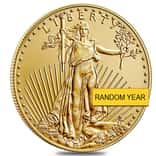
By investing in high-quality bullion products like the American Gold Eagle Coin or the Canadian Silver Maple Leaf, investors can secure assets that historically outperform during inflationary periods. These metals not only add stability but also provide a hedge against market volatility.
Taking Action in 2025
Now is the ideal time to review and rebalance your portfolio. The Federal Reserve’s actions signal a critical moment for investors to mitigate risk and capitalize on opportunities. Whether you’re a seasoned investor or just beginning your journey, Bullion Exchanges offers a wide selection of gold, silver, platinum, and palladium products to help you achieve your diversification goals.
Visit Bullion Exchanges today to explore our premium bullion options and secure your portfolio for 2025. Diversification is more than a strategy—it’s your pathway to financial security in uncertain times.