View Charts
How the Strength of the U.S. Dollar Impacts Precious Metals Prices
 0
0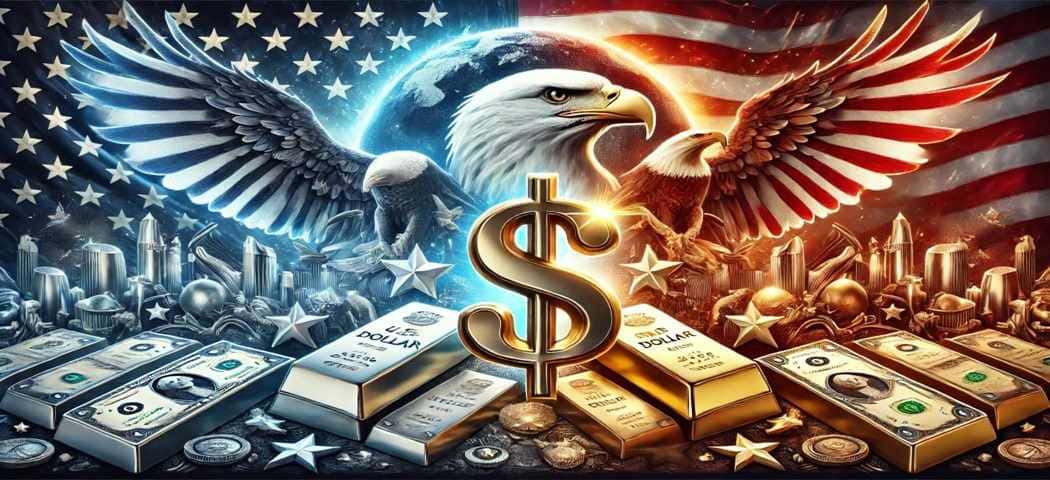
The strength of the U.S. dollar is a critical factor influencing the global economy, particularly the precious metals market. As the world's reserve currency, the U.S. dollar serves as the benchmark for pricing commodities like gold, silver, platinum, and palladium. Fluctuations in the dollar's value directly affect the affordability of these metals for international buyers, creating ripple effects across global markets. Understanding how the dollar’s strength is determined and its impact on precious metals is essential for investors looking to navigate this dynamic landscape.
What Determines the Strength of the U.S. Dollar?
The strength of the U.S. dollar is influenced by various macroeconomic factors, including Federal Reserve interest rate policies, economic growth, inflation, and geopolitical stability. A higher interest rate environment, for example, often attracts foreign investment into U.S. assets, boosting demand for the dollar and increasing its value relative to other currencies. The U.S. Dollar Index (DXY) is a widely used measure of the dollar's strength, comparing it against a basket of major currencies like the euro, yen, and pound. A strong dollar signals economic resilience but can create challenges for the global trade of dollar-denominated commodities, including precious metals.
How a Strong Dollar Impacts Precious Metals
When the dollar strengthens, it exerts downward pressure on precious metal prices. Gold and silver, priced in U.S. dollars, become more expensive for international buyers using weaker currencies, reducing demand. For example, during periods of dollar strength, such as the Federal Reserve's interest rate hikes, gold prices often experience temporary declines. A strong dollar also encourages investors to hold cash or dollar-based assets over non-yielding assets like gold, further impacting demand.
How a Weak Dollar Supports Precious Metals
Conversely, a weaker dollar tends to boost demand for precious metals. When the dollar loses value, gold and silver become more affordable for international buyers, increasing global demand and driving up prices. Additionally, a weak dollar is often associated with higher inflation, prompting investors to turn to gold and silver as hedges against currency devaluation. Historically, prolonged periods of a declining dollar, such as during heavy fiscal stimulus or economic downturns, have led to significant price rallies in precious metals, emphasizing their value as safe-haven investments.
The Key Takeaway for Precious Metals Investors
Monitoring the strength of the U.S. dollar is a critical part of understanding precious metal price trends. A strong dollar can present opportunities for investors to purchase gold and silver at lower prices, while a weakening dollar signals potential for long-term price appreciation. At Bullion Exchanges, we provide investors with access to a wide range of premium precious metals at competitive prices. Whether you’re looking to diversify your portfolio or hedge against economic uncertainty, our expert team is here to guide you through every step of your precious metals investment journey.
Invest with Confidence at Bullion Exchanges
The strength of the U.S. dollar remains a pivotal factor in the precious metals market, influencing global demand and pricing. At Bullion Exchanges, we offer a comprehensive selection of gold, silver, platinum, and palladium products, helping you make informed decisions in any market condition. Explore our inventory today and take the next step in securing your financial future with the enduring value of precious metals.