View Charts
Gold Market Turmoil: Navigating the Current Economic Storm
 0
0
In recent times, the gold bullion market, traditionally a haven for investors during periods of economic instability, has been engulfed in a whirlwind of volatility and uncertainty.
This article delves deep into the complexities of the current market scenario, unraveling the intricate web of factors contributing to this turmoil and offering a comprehensive analysis of its potential implications for the global economic landscape and individual investment strategies.
The Economic Indicator Conundrum
The gold market's current state is significantly influenced by global economic indicators, which present a paradoxical narrative. On one hand, inflationary pressures, typically beneficial for gold as they erode the value of paper currency, have been on the rise in several major economies.
On the other hand, signs of strong economic growth and resilience in key markets have led to a dampening of gold's traditional appeal as a safe-haven asset. This juxtaposition of economic signals has created a complex environment for gold investors, who must navigate these conflicting trends to make informed decisions.

Source: Canva
Central Bank Policies: A Double-Edged Sword
The strategies employed by central banks worldwide, particularly in response to the fluctuating economic landscape, are pivotal in shaping the gold market's trajectory. The transition towards higher interest rates to combat inflation has a twofold impact on gold.
While higher interest rates can diminish gold's allure by increasing the opportunity cost of holding non-yielding assets, they also underscore the central banks' concerns about inflation, which can, in turn, enhance gold's attractiveness as a hedge against inflationary risks.
The Geopolitical Kaleidoscope
Geopolitical dynamics play a critical role in influencing investor sentiment towards gold. The recent escalation in geopolitical tensions and uncertainties, from trade disputes to regional conflicts, has propelled investors towards gold, seeking refuge in its perceived stability.
However, this flight to safety is often punctuated by sharp reversals, as momentary resolutions to geopolitical crises or shifts in investor sentiment lead to rapid changes in gold prices and demand.

Source: Canva
The Currency Conundrum and Its Impact
The intricate relationship between currency values, particularly the US dollar, and gold prices cannot be overstated. The dollar's strength inversely affects gold prices, as it determines the metal's affordability for investors holding other currencies.
The current volatility in currency markets, fueled by divergent monetary policies and economic outlooks, has added a layer of complexity to gold trading, influencing international demand and investment decisions.
The Specter of Market Speculation
The gold market is also at the mercy of speculative trading and the ever-evolving strategies of a diverse investor base, encompassing both institutional entities and individual investors.
The proliferation of gold-backed financial instruments, such as ETFs and derivatives, has heightened the market's sensitivity to speculative movements, amplifying price fluctuations and contributing to the overall sense of instability.
Deciphering the Impact
The amalgamation of these factors has led to pronounced price swings and a heightened state of volatility within the gold market. This turbulence has far-reaching implications, affecting not only investor portfolios but also the broader financial markets. It has triggered a reevaluation of gold's role in investment strategies, challenging its traditional status as a stable store of value and a hedge against economic downturns.
Perspectives from the Expert Arena
Amidst this chaos, market analysts and economists offer divergent views on the gold market's future direction. Some anticipate continued volatility and caution against potential downturns, citing the complex interplay of economic and geopolitical factors. Others, however, maintain a bullish outlook on gold's long-term value, pointing to persistent global uncertainties and gold's enduring appeal as key drivers of demand.
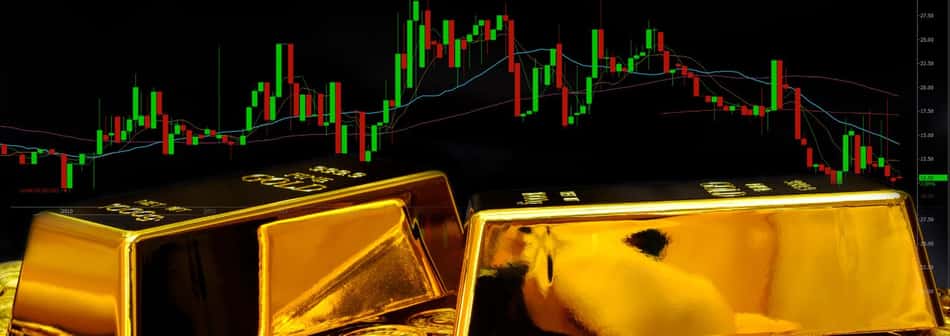
Source: Canva
Strategic Considerations for Investors
For investors navigating this tumultuous market, a strategic, informed approach is essential. Diversification remains a cornerstone principle, mitigating risk and providing a buffer against market volatility.
Long-term planning and a keen eye on global economic developments can also aid investors in identifying opportunities amidst the turmoil. Engaging with financial advisors and leveraging expert insights can further enhance decision-making, enabling investors to adapt to the rapidly changing market landscape.
In Conclusion
The current turmoil in the gold bullion market underscores the complexities of global economic interdependencies and the multifaceted nature of investment dynamics. While the path ahead may be fraught with challenges, gold's intrinsic value and historical significance endure, offering a glimmer of stability in an otherwise unpredictable financial landscape.
A Call to Action for the Informed Investor
In these uncertain times, vigilance and proactive engagement with the market are paramount. Investors are urged to stay abreast of economic trends, consult with bullion experts, and approach the gold market with a balanced, informed perspective. In the realm of investment, knowledge, and strategic foresight are the keys to navigating the storm and emerging with one's financial goals intact.