View Charts
The Impact of Federal Reserve's Interest Rate Policy on Gold Prices and the US Dollar
 2
2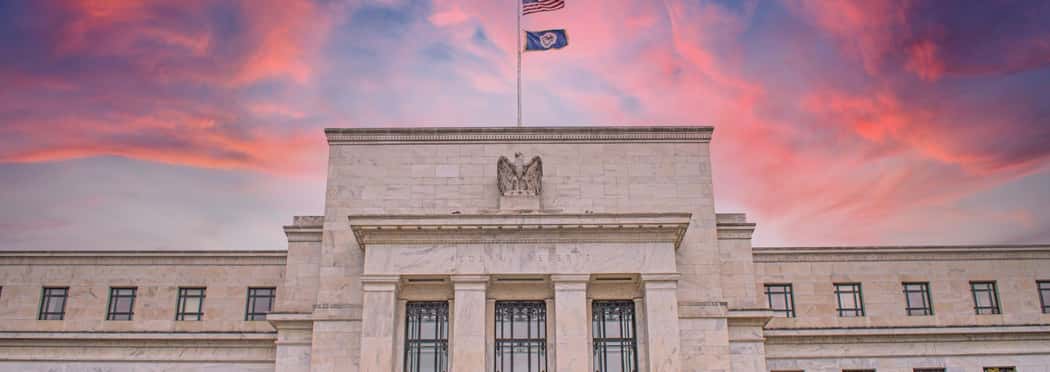
Source: Canva
The correlation between the Federal Reserve's interest rate decisions and the value of gold and the US dollar is a complex yet fascinating subject. If the Federal Reserve halts its interest rate hikes and moves towards cutting rates, it would likely have significant implications for both gold prices and the value of the US dollar.
This article delves into the potential outcomes of such a policy shift, analyzing historical trends and economic theories.
Understanding the Federal Reserve's Interest Rate Policy
The Federal Reserve, the central bank of the United States, uses interest rate adjustments as a primary tool to manage economic stability and control inflation. Raising interest rates typically strengthens the US dollar and can cool down an overheated economy, while cutting rates often have the opposite effect, encouraging spending and investment but potentially weakening the dollar.
Source: Canva
Potential Impact on Gold Prices
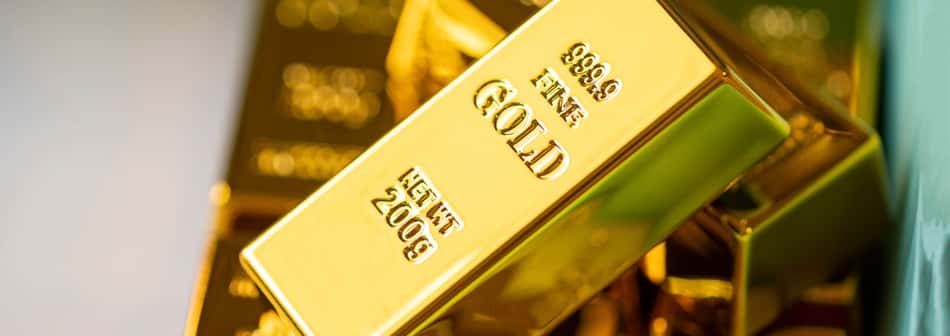
Gold has historically been perceived as a safe-haven asset, often inversely correlated with the US dollar. When the Federal Reserve cuts interest rates, it usually leads to a weaker dollar. When the US dollar weakens, gold becomes more affordable for those holding different currencies, which boosts demand and, as a result, drives up the price of gold. Furthermore, lower interest rates reduce the opportunity cost of holding non-yielding assets like gold, making it more attractive to investors.
-
Increased Attractiveness of Gold: With lower interest rates, the yield on bonds and savings accounts decreases, making gold, which doesn't offer interest or dividends but has the potential for price appreciation, more attractive.
-
Inflation Expectations: Lower interest rates can lead to increased inflationary pressure. Gold is often seen as a hedge against inflation, so rising inflation expectations could boost its appeal.
-
Investor Sentiment: The shift in the Federal Reserve's policy could lead to increased uncertainty in the markets. In such times, investors might flock to gold as a safe-haven asset.
Potential Impact on the US Dollar
The US dollar's value is closely tied to interest rates. A cut in interest rates typically makes the dollar less attractive to yield-seeking investors, leading to a depreciation in its value.
-
Lower Yields on Dollar-denominated Assets: Lower interest rates mean lower returns on investments like Treasury bonds, making them less attractive to foreign investors, leading to a decrease in demand for the dollar.
-
Increased Money Supply: Cutting rates often goes hand-in-hand with more expansive monetary policies, which can increase the money supply and potentially devalue the currency.
-
International Trade Dynamics: A weaker dollar could make US exports cheaper and imports more expensive, potentially impacting the trade balance and, by extension, the dollar's value.
Historical Precedents
Historical trends have shown that periods of lower interest rates by the Federal Reserve often coincide with bull markets in gold. For example, the post-2008 era saw a significant rise in gold prices amidst a prolonged period of low-interest rates. Conversely, the dollar index, which measures the value of the US dollar against a basket of foreign currencies, often shows a negative correlation with Federal Reserve rate cuts.
Economic Theories at Play
Key economic theories help explain these dynamics. The Quantity Theory of Money suggests that increasing the money supply, often a consequence of lower interest rates can lead to inflation, which devalues the currency and boosts gold prices. Meanwhile, the International Fisher Effect posits that a currency will depreciate if its interest rates are lower than those of other countries, impacting the dollar's value.

Source: Canva
Market Sentiment and External Factors
It's essential to consider that market sentiment and external economic factors can influence the relationship between interest rates, gold prices, and the dollar's value. Geopolitical tensions, global economic conditions, and other macroeconomic factors can also play a significant role.
Conclusion
In conclusion, if the Federal Reserve stops raising interest rates and instead cuts them, we could anticipate an increase in gold prices and a potential depreciation of the US dollar. However, the extent of these changes depends on various factors, including the broader economic context, investor sentiment, and global market dynamics. Investors and policymakers alike should keep a close eye on these indicators to navigate the complexities of these financial relationships.
2 Comments