View Charts
Buffalo Nickel: Why It Remains an Enduring Numismatic Treasure
 0
0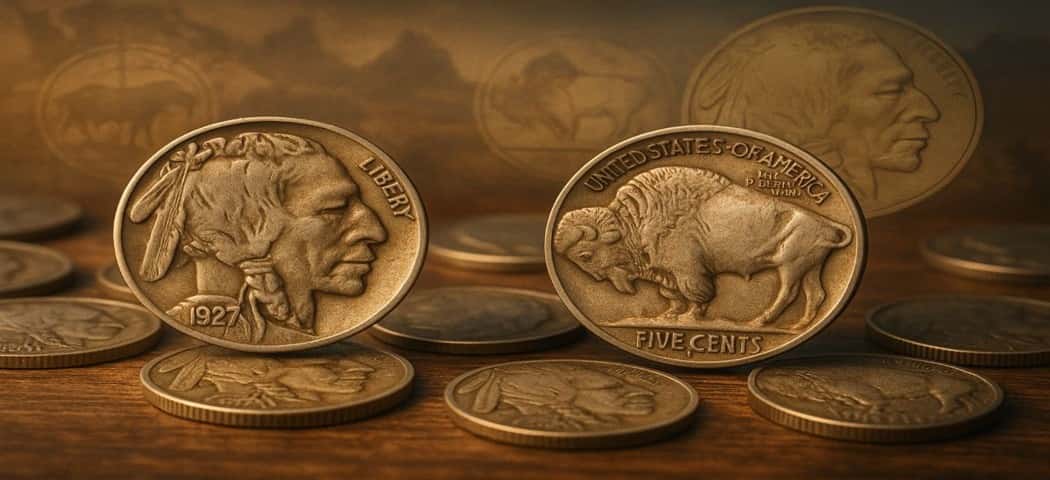
A Coin That Captures America’s Spirit
Few U.S. coins embody the rugged character of America’s frontier era like the Buffalo Nickel, also known as the Indian Head Nickel. Struck from 1913 to 1938, this classic coin brought artistry and symbolism to everyday commerce, replacing the more ordinary Liberty Head Nickel with something uniquely American. Designed by James Earle Fraser, the coin features a dignified Native American profile on the obverse and a powerful American bison on the reverse. More than a century later, the Buffalo Nickel still fascinates collectors and investors for its beauty, history, and rarity.
The Historical Canvas: From 1913 to 1938
The Buffalo Nickel was introduced as part of a broader movement to elevate the artistry of U.S. coinage in the early 20th century. Fraser’s design was selected to capture the essence of the Western frontier, a theme that resonated deeply during a time when America was rapidly industrializing but still celebrated its pioneering past.
These coins circulated during pivotal decades — World War I, the Roaring Twenties, and the Great Depression — giving them historical significance well beyond their five-cent denomination. Early 1913 issues came in Type I and Type II reverses, with the bison standing on a raised mound (Type I) or a flat plain (Type II) to improve wear resistance.
Iconic Design and Beloved Rarities
-
Obverse: Fraser’s Native American portrait was a composite of several tribal leaders, including Iron Tail, Two Moons, and possibly John Big Tree. Its high-relief detail meant that the date was prone to wear, leaving many coins dateless today.
-
Reverse: The American bison, believed to be modeled after “Black Diamond” of the Bronx Zoo, symbolized strength and the untamed West.
-
Key Varieties: Among the most famous are the 1916 Doubled Die Obverse, the 1918/7-D Overdate, the 1926-S low mintage, and the 1937-D Three-Legged Buffalo, all of which can command thousands to hundreds of thousands of dollars at auction.
For example, a 1918/7-D Overdate in PCGS MS65 condition sold for more than $350,000 at Heritage Auctions in August 2006, underscoring how truly rare examples can achieve extraordinary value.
What Drives Value: Dates, Mintmarks, and Condition
Buffalo Nickels are valued based on a few critical factors:
-
Date and Mintmark – Coins from Denver (D) and San Francisco (S) with low mintages are among the most valuable.
-
Condition – Well-preserved coins with visible dates, sharp details on the buffalo’s horn, and strong reverse features are far more desirable. Professional grading by NGC or PCGS often enhances value.
-
Rarities and Errors – Collectors prize overdates, doubled dies, and missing leg varieties, which have long histories of strong auction performance.
A Quick Guide to Key Dates and Varieties
-
1913-S Type II – Scarce and highly collectible.
-
1916 Doubled Die Obverse – A dramatic error variety.
-
1918/7-D Overdate – One of the most famous Buffalo rarities.
-
1926-S – Low mintage, hard to find in high grade.
-
1937-D Three-Legged Buffalo – A legendary variety caused by overpolishing the die.
-
1938-D – The final year of issue, marking the end of an era.
Collecting vs. Investing: Two Perspectives
For collectors, Buffalo Nickels represent artistry, Americana, and the challenge of building a complete set. Even circulated examples hold charm and are affordable entry points. For investors, key dates and high-grade rarities offer long-term appreciation and auction liquidity. The Buffalo Nickel series strikes a rare balance: accessible for beginners yet endlessly rewarding for advanced numismatists.
From Legacy to Modern Bullion: The Buffalo’s Enduring Influence
The impact of Fraser’s design didn’t end in 1938. Its influence continues to this day:
-
2001 American Buffalo Commemorative Silver Dollar – Issued by the U.S. Mint to honor the Buffalo Nickel’s legacy, this 90% silver coin was an immediate hit with collectors.
-
American Gold Buffalo – Introduced in 2006, this ongoing series marked the U.S. Mint’s first 24-karat gold bullion coin, reviving Fraser’s iconic design for a new generation of investors.
-
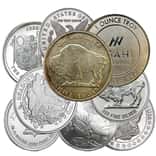
Tribute Silver Rounds – Many private mints have released .999 fine silver rounds inspired by the Buffalo Nickel, making the design accessible to bullion stackers as well as numismatists.
These modern interpretations keep the spirit of the Buffalo Nickel alive, bridging numismatic history with today’s bullion investment markets.
Why the Buffalo Nickel Still Captivates
The Buffalo Nickel remains one of the most iconic U.S. coins ever struck. Its artistry captures the rugged American West, its history spans transformative decades, and its rarities inspire some of the most competitive bidding in numismatics. Whether you collect for heritage, hunt for key dates, or invest in top-grade rarities, the Buffalo Nickel offers enduring appeal.
Even more, its influence lives on through modern commemoratives, gold bullion coins, and tribute silver rounds, proving that Fraser’s design remains as powerful today as it was in 1913.
At Bullion Exchanges, we celebrate this legacy through a wide range of collectible and bullion offerings — from classic U.S. coins to modern Buffalo bullion — helping investors and collectors alike keep history alive in their portfolios.
FAQ: Buffalo Nickels
What years were Buffalo Nickels made?
They were minted from 1913 to 1938, covering 25 years of U.S. coinage history.
Why are Buffalo Nickels valuable?
Their artistry, cultural symbolism, low-mintage key dates, and famous error varieties make them highly collectible.
Which Buffalo Nickel is the rarest?
The 1918/7-D Overdate and the 1937-D Three-Legged Buffalo are among the most sought-after rarities.
How can I tell if my Buffalo Nickel is valuable?
Check the date, mintmark, and condition. Coins with clear details and key date/variety markers should be evaluated by PCGS or NGC.
What is the 3-Legged Buffalo Nickel?
A rare 1937-D variety caused when a die was overpolished, erasing one of the buffalo’s legs.
How does the Buffalo Nickel connect to modern bullion?
Its design inspired the 2001 American Buffalo Silver Dollar, the American Gold Buffalo series, and numerous silver tribute rounds still popular today.
Another article that may interest you:
Top 12 U.S. Mint Error Coins Worth Collecting