View Charts
Why Silver Is the Most Volatile Precious Metal in History
 0
0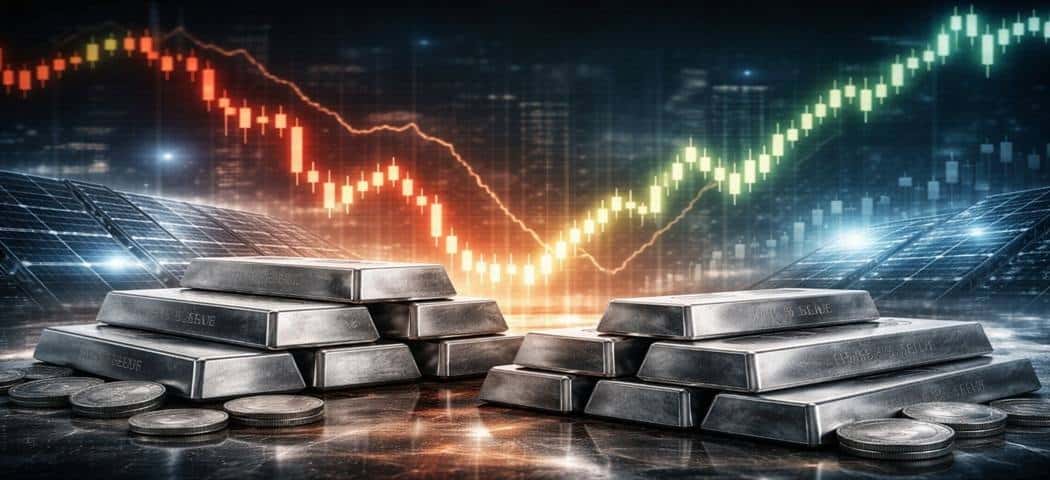
Silver’s Shockwave Moment: What Just Happened in the Market
Silver once again demonstrated why it is widely regarded as the most volatile precious metal traded today. After surging to extraordinary levels, silver prices abruptly reversed, plunging roughly 31% in a single trading session. The speed and magnitude of the move stunned markets and reignited long-standing debates about silver volatility, leverage, and market structure.
For investors, collectors, and bullion buyers, this event was not merely a headline—it was a case study in how silver behaves when speculative momentum collides with structural constraints. Unlike gold, silver occupies a unique position at the intersection of monetary demand, industrial usage, and leveraged trading, making it especially sensitive to rapid shifts in sentiment.
Silver’s Dual Role: Monetary Metal and Industrial Powerhouse
One of the primary reasons silver experiences extreme price swings is its dual identity. Silver is both a traditional store of value and a critical industrial metal, a combination that creates powerful but unstable demand dynamics.
Silver is essential in industries such as:
-
Solar energy and photovoltaic manufacturing
-
Electronics and semiconductor production
-
Electric vehicles and battery technologies
-
Medical and antimicrobial applications
When inflation concerns rise or confidence in fiat currencies weakens, silver attracts safe-haven investment flows. At the same time, optimism around industrial growth and green energy fuels speculative demand. When these narratives align, silver prices can surge rapidly—often faster than underlying physical supply conditions can justify.
Leverage, Futures Trading, and the Mechanics of Volatility
Silver’s recent surge was heavily influenced by leveraged futures trading, a market structure that plays a decisive role in shaping the silver spot price. Futures contracts allow traders to control large quantities of silver with relatively small capital commitments, amplifying price movements in both directions.
As the silver spot price accelerated, momentum traders, algorithms, and short-term speculators aggressively increased exposure. This pushed silver well beyond historical valuation norms relative to gold, leaving the rally increasingly vulnerable to structural pressure.
The inflection point came when futures margin requirements were raised, forcing traders to post additional capital. Many leveraged participants were unable to meet these requirements, triggering forced liquidations. Because silver markets are thinner and less liquid than gold markets, selling pressure quickly cascaded through futures and spot markets—resulting in the historic single-session collapse.
What Silver’s Volatility Teaches About Diversification
Silver’s dramatic price behavior underscores a fundamental investment principle: diversification matters, especially in volatile markets. While silver can offer significant upside during strong rallies, its sharp reversals highlight the risks of overconcentration in any single asset—particularly one prone to leverage-driven swings.
A diversified precious metals strategy typically balances silver’s higher volatility with assets like gold, which historically exhibits lower price swings and stronger defensive characteristics. Incorporating multiple metals, alongside other asset classes, can help smooth portfolio performance during periods of market stress.
Silver’s recent single-session collapse was not a failure of the metal itself, but a reminder that volatility is a feature—not a flaw. Investors who approach silver as part of a broader, diversified allocation are often better positioned to navigate its cycles without being forced into emotional or reactive decisions.
Silver Has Done This Before: Historical Parallels That Matter
While the magnitude of the move was extreme, the pattern was familiar. Silver has a long history of dramatic boom-and-bust cycles driven by leverage and regulatory pressure.
-
1980: Silver surged dramatically before collapsing after margin changes and regulatory intervention.
-
2011: Silver rose to nearly $50 per ounce, then fell sharply following consecutive margin hikes.
-
2026: A speculative surge followed by margin pressure produced one of the largest single-day percentage drops on record.
In each case, the sequence was strikingly similar: rapid speculative buildup, followed by structural constraints that forced an abrupt reversal.
Macro Forces That Accelerated the Collapse
Beyond futures mechanics, broader macroeconomic forces intensified silver’s decline. A strengthening U.S. dollar, rising real interest rate expectations, and shifting monetary policy narratives reduced the appeal of non-yielding assets.
The nomination of Kevin Warsh as the next Federal Reserve Chair reinforced expectations of tighter monetary discipline and stronger inflation control. Markets responded by repricing risk across asset classes, impacting precious metals, cryptocurrencies, and equities simultaneously. Silver—already heavily leveraged—absorbed the shock more violently than most assets.
Paper Silver vs. Physical Silver: A Critical Distinction
One of the most important lessons from silver’s volatility is the difference between paper silver and physical silver. Futures contracts and derivatives are highly sensitive to leverage, margin changes, and short-term sentiment. Physical silver, however, is anchored by supply, fabrication demand, and long-term ownership behavior.
Historically, periods of extreme paper-market volatility have often renewed interest in physical silver as investors seek tangible assets free from counterparty risk.
What Silver’s Volatility Means for Long-Term Investors
Silver’s dramatic price movements do not signal weakness in the metal itself. Rather, they highlight silver’s nature as a high-beta precious metal—one that magnifies both enthusiasm and fear. For long-term investors, understanding this volatility is essential.
Silver rarely moves in straight lines. Corrections are not anomalies; they are part of the metal’s historical rhythm. Those who approach silver with patience and perspective are often better positioned to navigate its cycles.
Why Silver’s Volatility Still Matters Today
Silver does not behave quietly. Its price movements are fast, emotional, and often unforgiving—but they are also deeply rooted in market structure and history. The recent surge and single-session collapse underscore why silver remains one of the most compelling and complex assets in the precious metals market.
For investors willing to look beyond short-term noise, silver’s volatility is not a flaw—it is a defining characteristic that has shaped its past and continues to shape its future.
Related reading you may find interesting:
Silver Volatility vs Gold Stability: What Investors Should Know
Why Silver’s Addition to the U.S. Critical Minerals List Matters
Fine Silver vs Sterling Silver: What Investors Should Know