View Charts
Silver Thursday at 45: Lessons Amid Today’s Rising Silver Prices
 0
0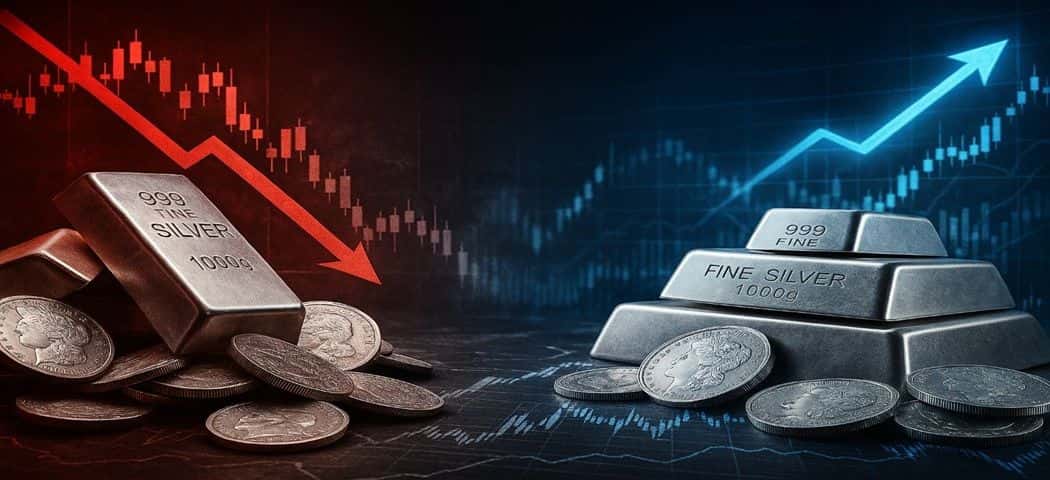
Remembering a Market Shock
On March 27, 2025, the financial world marked the 45th anniversary of Silver Thursday — the day silver prices collapsed in dramatic fashion, wiping out fortunes and shaking confidence in the precious metals market. The infamous saga of the Hunt brothers remains one of the most striking cautionary tales in commodity history.
Today, with the silver spot price climbing steadily past 14-year highs above $41 per ounce, investors are once again revisiting this historical episode. What can the chaos of 1980 teach us about today’s rally, and could similar risks lurk beneath the surface?
The Hunt Brothers and Their Silver Empire
During the 1970s, oil tycoons Nelson Bunker Hunt and William Herbert Hunt poured their vast wealth into silver. Alarmed by inflation, the weakening U.S. dollar, and economic uncertainty, the brothers viewed silver as a hard-asset safeguard.
By combining physical hoarding with massive futures positions, they accumulated control of more than 100 million ounces of silver. Their buying frenzy drove silver to $49.45 per ounce in January 1980, nearly 10 times higher than its level just a few years earlier.
The speculative surge alarmed regulators, who feared a destabilization of global financial markets.
Silver Thursday: March 27, 1980
The Commodity Exchange (COMEX) and the Chicago Board of Trade (CBOT) responded by tightening trading rules:
-
Margin requirements were raised, making it far more expensive to hold silver futures.
-
Buying on margin was restricted, forcing traders to pay upfront for contracts.
The measures crushed liquidity and triggered forced liquidations. On March 27, 1980 — “Silver Thursday” — prices crashed from nearly $50 to around $10 per ounce. The Hunt brothers were unable to cover margin calls, eventually filing for bankruptcy.
The Aftermath and Legacy
Silver’s collapse sent shockwaves across the financial sector:
-
The Hunts’ downfall left banks and brokers nursing huge losses.
-
Investor confidence evaporated, leaving silver sidelined for years.
-
Regulators imposed stricter position limits and closer oversight to prevent similar manipulations.
Yet despite the turmoil, silver endured. Over decades, it re-established itself as both an industrial metal and an inflation hedge, cementing its place in portfolios.
Why Silver Matters in 2025
Fast forward to today: silver is once again in the spotlight. Unlike the speculative frenzy of 1980, the 2025 rally is rooted in both financial and industrial demand.
-
Green Energy Transition: Silver is a critical component in solar panels, electric vehicles, and electronics, driving structural demand growth.
-
Safe-Haven Appeal: With inflation stubbornly high and geopolitical tensions rising, investors are turning to silver as a more affordable hedge compared to gold.
-
Fed Rate Policy: Expectations of interest rate cuts are reducing real yields, historically a tailwind for precious metals.
These factors give today’s rally a more sustainable base — though volatility remains part of silver’s DNA.

Comparing Then and Now
-
Drivers: 1980 was dominated by speculation; 2025 is powered by industrial demand plus inflation hedging.
-
Regulation: Today’s stricter trading limits make another Hunt-style squeeze less likely.
-
Investor Base: Retail and institutional interest are both broader now, spreading influence across the market.
-
Prices: Silver has not yet reclaimed its $49+ peaks from 1980 and 2011, but the path higher remains in focus.
Could Silver Thursday Happen Again?
The exact conditions of 1980 — two individuals cornering the silver market — are far less likely today thanks to stricter regulations, position limits, and a broader investor base. However, silver remains one of the most volatile precious metals, and history shows that sudden shocks can’t be ruled out.
Events like the 2021 “silver squeeze” demonstrated that retail enthusiasm can still create price spikes, while macro factors such as inflation or geopolitical stress can drive rapid swings. A full repeat of Silver Thursday is improbable, but sharp corrections remain part of silver’s character, making diversification and risk management essential for modern investors.
Risk vs. Opportunity: Silver in 2025
Opportunities:
-
Affordable entry point vs. gold.
-
Surging industrial use cases.
-
Inflation hedge and safe-haven asset.
Risks:
-
High volatility and sharp corrections.
-
Regulatory or policy shifts affecting futures markets.
-
Overenthusiastic speculative trading could destabilize momentum.
Lessons for Today’s Investors
The Hunt brothers’ downfall offers timeless guidance:
-
Diversify Your Holdings: Overconcentration in one asset can be disastrous.
-
Respect Market Risks: Sudden rule changes or liquidity shocks can move prices overnight.
-
Invest Strategically: Use silver as part of a diversified portfolio, balancing long-term potential with short-term volatility.
Silver Thursday at 45: Still Relevant
Forty-five years later, Silver Thursday remains a reminder that even “safe havens” can be shaken by speculation and regulation. Yet the resilience of silver since then underscores its enduring role in global markets.
As silver prices climb again in 2025, the lessons of the past can guide today’s decisions. Investors who stay diversified, informed, and disciplined will be better prepared for the opportunities — and the risks — of a dynamic silver market.
FAQ: Silver Thursday and Today’s Silver Market
What caused Silver Thursday in 1980?
Silver Thursday was triggered by the Hunt brothers’ speculative accumulation of silver, combined with sudden regulatory changes that increased margin requirements and restricted leverage, leading to a collapse in prices.
How much did silver fall during Silver Thursday?
On March 27, 1980, silver crashed from nearly $50 per ounce to around $10, wiping out billions in value and causing widespread financial fallout.
What is silver’s all-time high price?
Silver’s all-time peak was $49.51 per ounce on April 28, 2011, slightly higher than the 1980 spike, driven by fears of inflation and currency debasement.
Why is silver rising in 2025?
Silver prices are climbing due to industrial demand from solar, EVs, and electronics, alongside safe-haven buying fueled by inflation and economic uncertainty.
Could another Silver Thursday happen today?
While stricter regulations make a repeat of 1980 unlikely, silver remains volatile, and speculative movements — such as the 2021 “silver squeeze” — show risks still exist.
Is silver a good investment in 2025?
Yes, silver can be a smart addition to a diversified portfolio, offering both industrial growth potential and hedging benefits, though its volatility requires caution.
What lessons should modern investors take from Silver Thursday?
The key lessons are diversification, risk management, and due diligence — avoiding overconcentration, preparing for sudden market shifts, and investing with a long-term strategy.
Another article that may interest you:
Silver Futures Break $42 as Spot Prices Surge Higher