View Charts
The Impact of Potential Tariffs on Gold and Silver: A Look at Trump's Policies and Global Bullion Markets
 0
0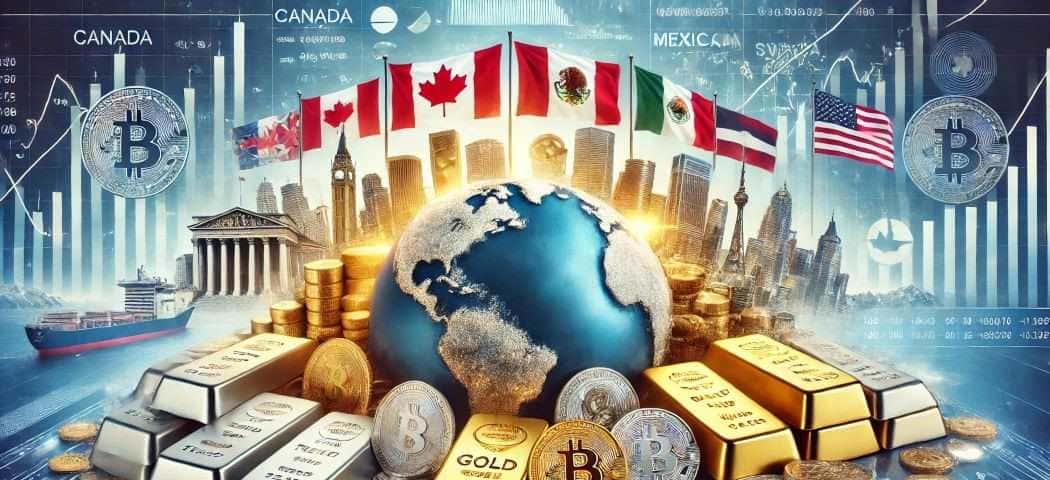
The bullion industry thrives on global trade, and the policies of world leaders can significantly influence market trends, pricing, and consumer behavior. Under the hypothetical scenario of President-elect Donald Trump imposing tariffs on Canada, Mexico, and other major bullion-producing nations, the gold and silver markets could experience seismic shifts.
This article explores the potential ramifications of such tariffs, including their impact on taxation for gold and silver bullion, changes in market dynamics, and the broader implications for the bullion industry globally.
Trump's Tariff Policies: A Look Back and a Potential Future
Trump's presidency was marked by an "America First" trade policy, which included imposing tariffs on Chinese goods. These tariffs affected a wide range of products, including Chinese Gold and Silver Panda coins, making them significantly more expensive for U.S. buyers. If Trump were to apply similar tariffs on bullion from Canada, Mexico, or other global suppliers, it could alter the landscape of the precious metals market.
Canada and Mexico: Key Players in the Precious Metals Market
Canada and Mexico play vital roles in the bullion market:
-
Canada is home to the Royal Canadian Mint, a world-renowned producer of gold and silver bullion products like the Gold Maple Leaf and Silver Maple Leaf coins.
-
Mexico is rich in silver resources, producing globally recognized products such as the Silver Libertad.
If tariffs were imposed on imports from these countries, it would lead to increased costs for bullion dealers and consumers in the United States. The introduction of tariffs could also open the door to a potential taxation on gold and silver bullion, further complicating matters for investors and collectors.
The Royal Canadian Mint: A Hypothetical Tariff Impact
The Royal Canadian Mint produces some of the purest and most sought-after bullion coins in the world. If these products were subjected to tariffs, the cost for U.S. buyers would rise significantly. For example:
-
A 10% tariff on Canadian gold and silver could increase the retail price of Gold and Silver Maple Leaf coins by a similar margin.
-
Collectors and investors who rely on the Royal Canadian Mint's high-quality products would either face higher costs or turn to alternative sources.
Moreover, such tariffs could weaken cross-border trade, potentially reducing the availability of Canadian bullion in U.S. markets.
Trump and Trudeau: The 51st State Rumors
In a curious twist, Trump's discussions with Canadian Prime Minister Justin Trudeau at Mar-a-Lago about Canada potentially joining the U.S. as the 51st state have added an interesting layer to this scenario. While this idea is speculative at best, its realization could fundamentally alter trade policies and taxation for Canadian bullion. If Canada were integrated into the U.S., the Royal Canadian Mint could become a domestic producer, potentially avoiding tariffs altogether. However, the political and logistical hurdles to such an outcome make it highly improbable.
Mexican Silver: A Hidden Gem at Risk
Mexico is the world's largest producer of silver, and its Silver Libertad coins are a favorite among collectors. A tariff on Mexican bullion could have several consequences:
-
Increased Prices: Just as with Canadian bullion, Mexican silver products would become more expensive for U.S. buyers.
-
Market Shift: Higher prices could push buyers toward domestic or alternative international sources, potentially diminishing Mexico's share of the U.S. market.
-
Mining Industry Impact: Tariffs could ripple back to Mexico's mining sector, potentially affecting production and export levels.
Global Implications: Swiss Refiners and Chinese Pandas
If Trump's hypothetical tariff policies extended globally, the repercussions could be vast:
Swiss Refiners: The Gold Standard
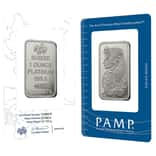
Switzerland is a hub for refining and minting gold bullion. Renowned refiners like PAMP, Valcambi, and Argor-Heraeus provide some of the world's most trusted bullion products. Tariffs on Swiss bullion could:
-
Increase costs for American investors who prioritize Swiss gold for its quality and purity.
-
Drive U.S. buyers toward domestic or alternative international refiners, disrupting Switzerland's dominance in the global bullion market.
Chinese Pandas: Lessons from the Past
Trump's earlier tariffs on Chinese goods included gold and silver coins like the Panda series. These tariffs led to:
-
Higher retail prices, reducing demand for Chinese bullion in the U.S.
-
A shift in consumer focus toward untaxed alternatives.
If a similar approach were applied to other nations, the global bullion market could become more fragmented, with U.S. buyers favoring untaxed domestic products over imported ones.
The U.S. Bullion Market: Challenges and Opportunities
Tariffs on bullion imports would undoubtedly create challenges for U.S. dealers and investors. However, they could also present opportunities:
-
Boost for Domestic Producers: Higher prices for imported bullion could drive demand for American-produced gold and silver coins, such as those from the U.S. Mint.
-
Increased Focus on Secondary Markets: Collectors and investors might turn to secondary markets to acquire bullion at more affordable prices.
That said, the overall effect would likely be negative, as higher prices and reduced availability could deter new investors from entering the market.
Taxation of Gold and Silver: A Potential Concern
Tariffs on bullion could set a precedent for increased taxation on gold and silver investments. Currently, many states in the U.S. have eliminated sales tax on precious metals to encourage investment. However:
-
Federal tariffs could prompt states to reconsider their tax policies, leading to higher overall costs for investors.
-
Increased taxation could undermine gold and silver's appeal as safe-haven assets, particularly during times of economic uncertainty.
Conclusion: Navigating Uncertainty in the Bullion Market
While the scenarios outlined here are hypothetical, they underscore the interconnectedness of global trade policies and the bullion market. Tariffs on Canadian, Mexican, Swiss, or other bullion imports could lead to higher prices, reduced availability, and significant shifts in consumer behavior.
At Bullion Exchanges, we remain committed to providing investors with access to a wide range of gold and silver products, regardless of market conditions. By staying informed and adaptable, buyers and sellers can navigate the challenges and opportunities that arise in an ever-changing global economy.
For the latest updates on bullion prices and market trends, visit Bullion Exchanges. Our team is here to help you make informed decisions about your precious metals investments.
Other articles that may interest you:
Trump-Fed Relations: How Potential Clashes Could Impact Precious Metals and Markets
How a Crypto-Friendly SEC Could Reshape Precious Metals and Cryptocurrency Markets
Will Proposed Tariffs Affect Gold and Silver Prices?