View Charts
Silver Certificates Explained: What They Are And Why They Matter
 2
2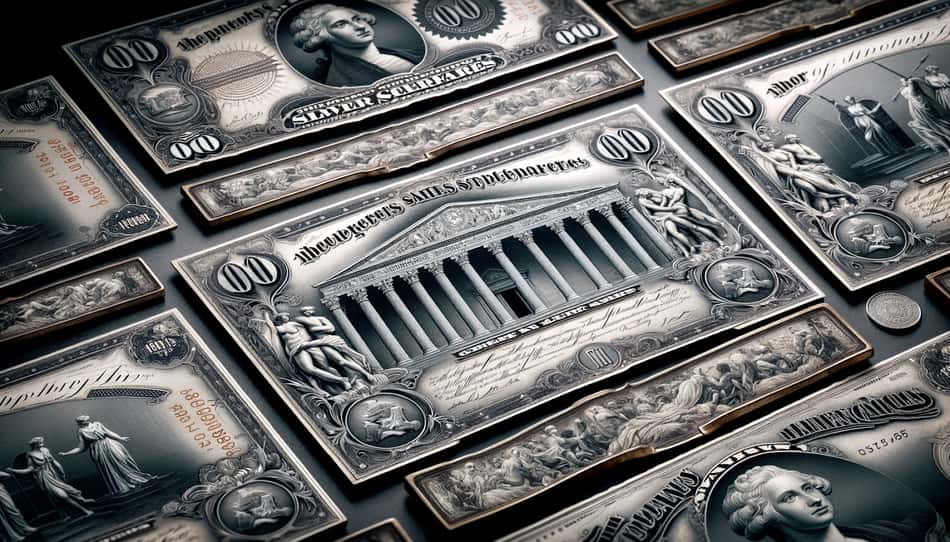
Introduction
In the U.S. monetary history, silver certificates occupy a unique place. These pieces of paper currency were more than just legal tender; they were backed by actual silver, reflecting a fascinating intersection of economic policy and precious metals. This article delves into what silver certificates are, their historical significance, and why they continue to be of interest today.
What is a Silver Certificate?
Definition and Origin of Silver Certificates
A silver certificate is a type of paper currency that was issued by the United States from 1878 to 1964. These certificates were introduced under the Bland-Allison Act, passed in 1878, which mandated the U.S. Treasury to purchase a significant monthly amount of silver and circulate it as silver dollars. This act was a response to the pressures from silver miners and advocates of silver currency, who pushed for increased use of silver to counteract the deflationary effects of the exclusive use of the gold standard.
The primary function of silver certificates was to represent stored silver, held in reserve by the Treasury, which could be redeemed by the bearer on demand. This feature made silver certificates a highly practical medium for large transactions and a secure method for storing wealth, allowing for easier handling and trade compared to large physical quantities of silver.
Expanded Economic Context
Silver certificates were created during a time of economic upheaval and debate between "silverites" and "gold bugs." Silverites, often farmers or those involved in silver mining, favored the increased money supply that would come from monetizing silver, hoping it would inflate prices and ease debt burdens. On the other hand, the gold standard proponents, typically creditors and banking interests, argued for stable, if not deflationary, monetary policies. The issuance of silver certificates was a compromise, facilitating a wider circulation of silver dollars without directly challenging the primacy of gold.
Evolution and Varieties
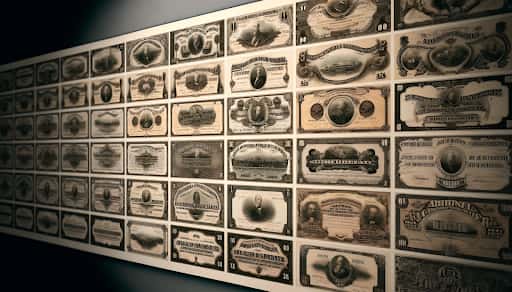
Over the years, silver certificates were issued in various denominations, ranging from the modest $1 and $5 to the substantial $1,000. Each series released came with distinctive stylistic and security features tailored to the era of its release, reflecting both artistic trends and technological advancements in security printing.
The Look and Feel of Silver Certificates
Design Characteristics
Silver certificates are easily identifiable by their distinctive blue seals and serial numbers, setting them apart from other U.S. currency which generally features green seals. The choice of blue was deliberate, chosen to symbolically represent the silver backing the note. This color coding helped the public and bankers quickly distinguish between different types of currency, each backed by different assets.
Artistic Elements
The design and artwork on silver certificates are a window into the cultural and artistic sentiments of the period. Early versions bore intricate, ornate patterns typical of 19th-century design aesthetics, often rich with allegorical imagery intended to convey the strength and stability of the U.S. economy. Noteworthy among the silver certificates for their artistic value were those from the "Educational Series" issued in the 1890s. These certificates are considered by many collectors as some of the most beautiful paper currencies ever issued by the U.S. Treasury, featuring neoclassical images that depicted themes of history, science, and art, which were intended to inspire and educate the public about American values and achievements.
Collectible Appeal
The unique characteristics of silver certificates—historical significance, beautiful design, and rarity—make them highly sought after by numismatists and collectors. Each series and issue vary in rarity and condition, which directly affects its market value. Collectors particularly prize those certificates that are well-preserved and feature rare misprints or unique serial number sequences, which can turn an otherwise common item into a treasured collector's piece.
In conclusion, the evolution of silver certificates from a practical monetary instrument to a collectible item rich with historical and artistic significance demonstrates their enduring legacy. Their continued appeal lies in their ability to tell a part of the broader story of America's economic development, cultural shifts, and technological progress in currency security.
Historical Context and Importance
Role in the U.S. Economy
The issuance of silver certificates was directly tied to the economic debates of the late 19th and early 20th centuries, where the silver mining lobby and the proponents of a bimetallic standard (both gold and silver) clashed with those advocating for gold as the sole backstop for U.S. currency. Silver certificates were a compromise, expanding the money supply while still offering a tangible backing.
Major Series and Notable Issues
Throughout their circulation, several series of silver certificates were released. Notably, the "Educational Series" of the 1890s is renowned for its beautiful, allegorical artwork that represented Science, History, and Electricity enlightening the world. During World War II, special silver certificates were issued with unique overprints like "HAWAII" or a yellow seal for use in North Africa to prevent enemy use in case of capture.
The Decline and End of Silver Certificates
Transition to Modern Currency
By the mid-20th century, the importance of silver in the U.S. monetary system began to wane. The U.S. gradually shifted towards a fiat currency system, marked by the issuance of Federal Reserve Notes, which are not backed by physical commodities but by the government's declaration that they are legal tender. The Coinage Act of 1965 and subsequent legislation eventually led to the phase-out of silver certificates, with the redemption for silver ending officially in 1968.
Why Silver Certificates Matter Today
Collectibility and Historical Value of Silver Certificates
Silver certificates are prized by collectors and historians for their role as artifacts of U.S. monetary history. Here are the key aspects that enhance their appeal:
- Aesthetic Appeal: Known for their intricate designs, these certificates are valued for their artistry, often displayed in collections that double as art exhibits.
- Rarity and Desirability: Some certificates are rare due to limited runs or unique printing anomalies, making them highly sought after and valuable.
- Historical Significance: Each certificate reflects the economic strategies and societal values of its era, often tied to significant events or policy changes.
- Preservation of Heritage: Collectors preserve these pieces as tangible evidence of U.S. monetary policy evolution for future generations.
Investment Value
Silver certificates also offer investment potential. Factors influencing their value include:
- Condition: Well-preserved certificates are more valuable, with a grading system in place to evaluate their condition.
- Market Demand: High demand due to rarity, historical importance, or unique features can increase their value.
- Economic Factors: Economic uncertainty can boost the appeal of silver certificates as stable investment assets.
Educational Tool
Beyond investment and collectibility, silver certificates serve educational purposes:
- Teaching Economics: They are used to illustrate economic concepts like inflation and the role of government in currency issuance.
- Understanding History: These certificates help explain historical economic policies and their impacts.
- Cultural Insights: The designs on the certificates offer a glimpse into the cultural values and aspirations of historical periods.
In summary, silver certificates hold significant value today not just as collectibles or investments but as tools for education and historical preservation. Their ability to connect past economic policies with current financial understandings makes them invaluable for both personal and educational purposes.
Collecting Silver Certificates
How to Start a Collection
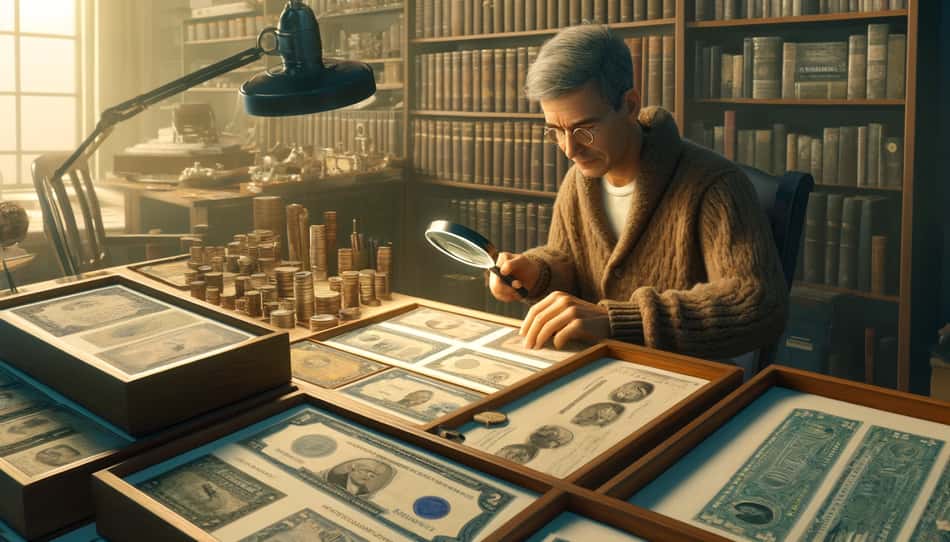
Collecting silver certificates can be a rewarding hobby. Beginners should start by learning about the different types and series, focusing on those that particularly interest them, whether due to historical significance, design, or rarity. It's important to understand grading standards, which assess the condition of a certificate, and to familiarize oneself with market values, which can vary significantly.
Tips for Buying and Selling Silver Certificates
When trading silver certificates, it’s important to engage with reputable dealers and ensure authentication to protect your investment. Here are concise tips for buyers and sellers:
- Choose Reputable Dealers: Opt for established dealers with good reputations and necessary credentials. Check their reviews and affiliations with numismatic organizations.
- Ensure Authentication: Always verify the authenticity of certificates through professionals to confirm their genuineness and condition.
- Understand Liquidity: Recognize that some certificates may take longer to sell due to niche appeal or high pricing. Research market demand and timing.
- Price Appropriately: Set fair prices based on current market data and be prepared to negotiate within reasonable limits.
- Use Secure Transactions: Implement secure payment methods and consider using contracts for high-value deals to ensure both parties are protected.
By adhering to these streamlined guidelines, both buyers and sellers can conduct transactions more safely and effectively.
Conclusion
Silver certificates transcend their status as mere relics of the past; they stand as dynamic historical documents that illuminate the economic, political, and social landscapes of the United States during their circulation period. These pieces captivate collectors, historians, and investors, offering a tangible connection to history.
For comprehensive details on beginning your collection of silver certificates, or to explore a curated selection of high-quality silver certificates available for purchase, please visit the provided link. This resource will guide you in making knowledgeable choices about acquiring and maintaining these important artifacts of American history.
2 Comments