View Charts
International Silver Day: Why Silver Matters More Than Ever
 0
0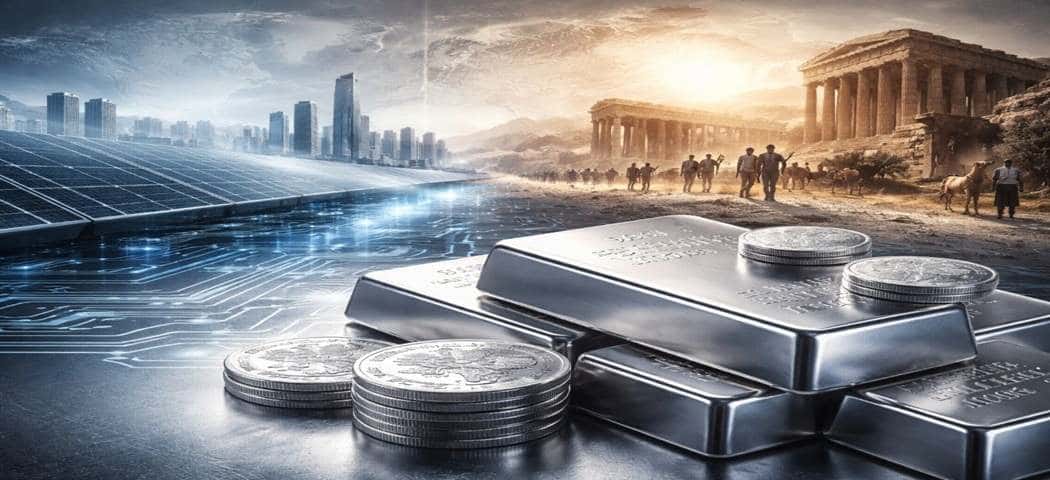
A Global Spotlight on Silver
International Silver Day, observed annually on April 7, is a newly established global initiative designed to highlight the importance of silver across finance, industry, and history. First introduced in 2025, the event brings together investors, collectors, and industry participants to recognize silver’s unique role as both a precious metal and a critical industrial resource.
As interest in the silver spot price, inflation hedging, and industrial demand continues to grow, International Silver Day provides a timely opportunity to revisit why silver remains one of the most versatile and undervalued assets in today’s market.
Why April 7? The Meaning Behind the Date
The choice of April 7 is intentional and symbolic. Silver’s atomic number is 47, and the date (4/7) reflects this scientific identity. This connection reinforces the global and universal significance of silver, linking its physical properties to its broader economic and cultural importance.
By anchoring the observance to this number, International Silver Day establishes a recognizable and meaningful annual event that resonates with both industry professionals and the investing public.
Silver as a Monetary Metal
Silver has served as a form of money for thousands of years, functioning as a medium of exchange across civilizations and economies. While gold often dominates headlines, silver historically played a more widespread role in everyday commerce due to its affordability and divisibility.
Today, silver continues to be viewed as a store of value and a hedge against inflation. Movements in the silver spot price often reflect broader macroeconomic trends, including currency fluctuations, interest rate expectations, and investor sentiment toward risk.
For many investors, silver represents an accessible entry point into precious metals, offering exposure to both monetary and industrial demand drivers.
Industrial Demand: The Modern Driver of Silver Prices
One of silver’s most important characteristics is its dual role as both a precious and industrial metal. Unlike gold, a significant portion of silver demand comes from industrial applications.
Silver is essential in:
-
Solar panel production (photovoltaics)
-
Electronics and semiconductors
-
Electric vehicles (EVs)
-
Medical and antimicrobial technologies
As global demand for clean energy and advanced technology increases, silver’s industrial use continues to expand. This creates a powerful dynamic where the silver price today is influenced not only by investment demand but also by real-world consumption.
Silver in the Modern Investment Landscape
In today’s economic environment, silver occupies a unique position among asset classes. It often behaves as a hybrid between gold and industrial commodities, responding to both safe-haven demand and economic growth expectations.
During periods of uncertainty, silver can benefit alongside gold as investors seek stability. At the same time, during economic expansion, rising industrial demand can support higher prices.
This dual nature makes silver particularly sensitive to macroeconomic shifts, contributing to its reputation for higher volatility compared to gold. However, this volatility can also create opportunities for investors tracking movements in the silver spot price.
Why Silver Is Gaining Renewed Attention in 2026
Several key trends are bringing silver back into focus:
-
Rising inflation concerns, increasing demand for hard assets
-
Energy transition investments, boosting industrial demand
-
Supply constraints, impacting availability
-
Geopolitical uncertainty, supporting safe-haven buying
These factors are converging at a time when silver remains relatively undervalued compared to historical benchmarks, prompting renewed interest from both institutional and retail investors.
International Silver Day serves as a reminder that silver’s importance extends far beyond its price chart—it is deeply embedded in both the global economy and financial system.
International Silver Day and the Bullion Market
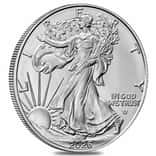
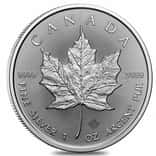
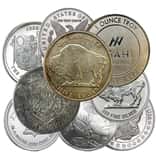
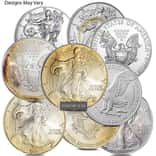
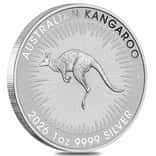
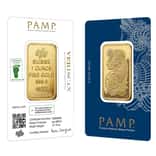
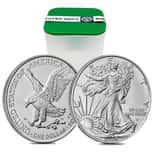
For bullion investors and collectors, International Silver Day highlights the enduring appeal of physical silver products. From silver coins to bars, physical ownership remains a tangible way to participate in the precious metals market.
As awareness of silver’s role grows, so does interest in tracking the silver price and understanding the factors that influence it. Events like International Silver Day help educate the market and reinforce silver’s position as both a practical and strategic asset.
The Future of International Silver Day
Although still in its early stages, International Silver Day has the potential to become a widely recognized global observance. As participation expands across industries and regions, it may play a larger role in shaping public understanding of silver’s value.
For investors, this growing awareness could translate into increased demand, stronger market engagement, and greater visibility for silver as an investment asset.
A Metal Worth Watching
International Silver Day is more than a symbolic celebration—it is a reflection of silver’s growing relevance in a rapidly changing world. From its historical role as money to its critical place in modern technology, silver continues to bridge the gap between tradition and innovation.
As markets evolve and global demand shifts, silver remains a metal worth watching—not just on April 7, but throughout the year.
Related reading you may find interesting:
Is There Gold and Silver on the Moon? What Scientists Know