View Charts
Gold: The Timeless Safe-Haven Asset Investors Trust
 0
0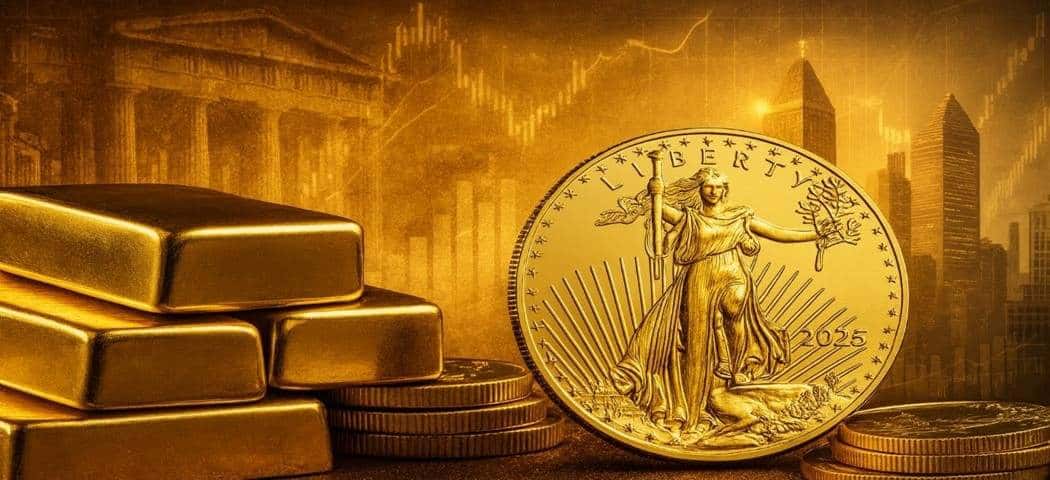
Gold’s Enduring Role in Uncertain Times
For millennia, gold has anchored human wealth, serving as a universal measure of value and a shield against instability. From ancient empires to modern economies, this precious metal has endured as a safeguard through wars, recessions, currency collapses, and inflationary cycles. Today, its reputation as the world’s ultimate safe-haven asset is as strong as ever. When currencies weaken, equities whipsaw, or geopolitical tensions rise, investors instinctively turn to gold. For U.S. buyers in particular, gold provides protection not only from dollar weakness but also from systemic shocks that can ripple through global financial systems.
What Defines a Safe-Haven Asset?
A safe-haven asset is one that preserves or increases value during times of market stress. Investors flock to these instruments during recessions, geopolitical conflicts, or financial crises because they offer stability, reliability, and liquidity. Traditional examples include U.S. Treasuries, the Swiss franc, and the Japanese yen — but gold stands apart. Unlike fiat currencies or government-backed debt, gold carries intrinsic value, requires no counterparty trust, and is recognized worldwide. Its independence from political systems and central bank policies has made it the ultimate safe-haven, trusted by both institutions and individuals for centuries.
Gold’s Place in Ancient Civilizations
Gold’s reputation didn’t begin in the modern era — it is rooted in history. Ancient Egyptians mined and refined gold as early as 2600 BCE, using it to craft jewelry and religious artifacts while associating it with eternal life. In Greece and Rome, gold coins became trusted currency across vast empires, facilitating trade and symbolizing wealth and power. The Aztecs and Incas of the Americas revered gold as the “sweat of the sun,” tying it directly to divinity. This legacy of universal trust, transcending cultures and continents, explains why gold remains the only asset consistently viewed as valuable regardless of time or place.
Historical Proof of Gold’s Resilience
Gold’s safe-haven status is backed by evidence. In the 1970s, amid runaway inflation, gold surged more than 2,000% over the decade. During the 2008 financial crisis, it rose nearly 25% while equities collapsed. In 2020, during the global COVID-19 crisis, it reached new highs above $2,000 per ounce as investors fled uncertainty. Today, with inflation pressures lingering and geopolitical risks mounting, gold remains a preferred asset for those seeking stability. Central bank purchases — especially by nations like China, India, and Russia — continue to reinforce its long-term strength. As Fed Chair Jerome Powell recently remarked, “Uncertainty about the economic outlook remains elevated,” conditions that almost inevitably favor gold.
Purity, Composition, and Trust in Investment-Grade Gold
Investment-grade gold is typically minted to .999 or .9999 fineness, ensuring authenticity and global liquidity. Popular bullion products include the American Gold Eagle, Canadian Gold Maple Leaf, and South African Krugerrand, all of which are widely traded and trusted. For large-scale investors, kilo bars and 10 oz bars provide efficient storage of value, while fractional coins make gold accessible for smaller budgets. This universal assurance of purity and weight makes gold uniquely suited for wealth preservation across markets and generations.
Gold Versus Other Assets
While stocks, real estate, and cryptocurrencies can generate returns, they are often tied to cycles of volatility. Gold’s value lies in balance. Historically, it has moved inversely to equities and the U.S. dollar, providing a hedge in downturns. Unlike fiat currencies, it cannot be devalued by government policy. Compared to cryptocurrencies, gold offers lower short-term volatility and a proven track record across centuries. While Bitcoin may be dubbed “digital gold,” it lacks the historical depth and universal recognition that physical gold commands.
The Collector’s Dimension: Numismatic and Proof Gold
Gold is not only a store of wealth but also a canvas for artistry and history. Numismatic coins, such as early U.S. Double Eagles or Proof Gold Buffalos, often command premiums due to rarity, craftsmanship, or limited mintages. The Perth Mint’s Lunar series, for instance, pairs fine gold content with cultural significance, while modern proofs and commemoratives highlight national heritage in stunning designs. Certified coins graded by PCGS or NGC assure buyers of authenticity and condition, making them attractive to both investors and collectors seeking long-term value.
Looking Ahead: The Case for $4,000 Gold
As inflationary pressures persist and central banks tilt toward looser monetary policy, speculation grows that gold could test $4,000 per ounce by the end of 2025. While a strong U.S. dollar may create short-term pullbacks, such dips historically present prime buying opportunities.
Future Federal Reserve policy decisions will be critical. Additional rate cuts would further reduce real yields, typically fueling stronger demand for non-yielding assets like gold. Conversely, if the Fed opts to hold rates steady for longer, markets may see temporary pauses in upward momentum, but underlying drivers such as central bank buying, global debt levels, and geopolitical risk could still support elevated prices.
If global growth slows or political tensions escalate, investor demand may accelerate the metal’s rise. For those holding physical bullion, coins, or bars, the next decade could mark one of the most significant chapters in gold’s modern history.
Gold’s Timeless Appeal
Gold’s unique position stems from its perfect balance of stability, liquidity, and universal recognition. It has served as an inflation hedge, a crisis asset, and a generational store of wealth for thousands of years. While cryptocurrencies and new alternatives attract attention, gold’s unmatched legacy ensures its continued dominance as the ultimate safe-haven asset. The key question remains: will this era push gold to unprecedented highs, or will it remain one chapter in a cyclical story? For investors today, the answer lies in preparation — securing physical bullion through trusted dealers, diversifying portfolios, and staying resilient in a world of shifting financial tides.
Another article that may interest you:
Is Buying Gold Bars or Coins Better for Investors in 2025?