View Charts
How Trump’s New Tariffs on Canada, Mexico, and China Could Impact Gold and Silver Prices
 0
0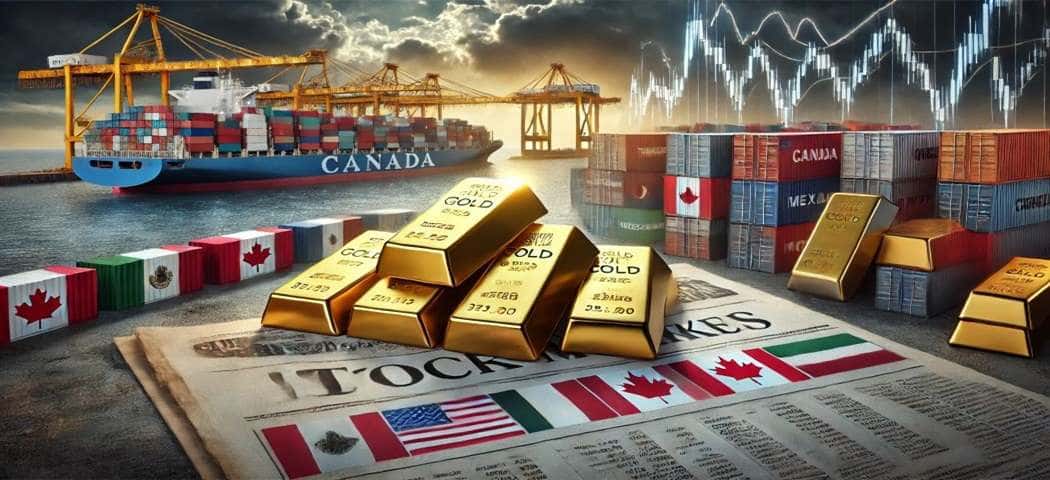
Tariffs Could Reshape the Precious Metals Market
On February 1, 2025, President Donald Trump enacted sweeping tariffs on imports from Canada, Mexico, and China. The administration stated that these measures aim to curb illegal immigration, combat drug trafficking, and strengthen domestic industries. However, these tariffs have triggered strong reactions from global markets, particularly in the commodities sector.
With a potential global trade war on the horizon, the effects on gold, silver, and other precious metals could be substantial. This article explores how these tariffs will influence market volatility, the strength of the U.S. dollar, inflation, and the availability of silver refined in the United States.
Overview of the February 1, 2025, Tariffs
The newly imposed tariffs are structured as follows:
-
Canada and Mexico: A 25% tariff on all imported goods.
-
China: A 10% tariff on imported goods.
These tariffs are scheduled to take effect on February 4, 2025. In response, Canada and Mexico have already announced retaliatory tariffs on U.S. exports, while China has declared its intent to challenge the tariffs at the World Trade Organization (WTO).
Immediate Market Reactions to the Tariffs
The announcement of these tariffs has led to noticeable volatility in commodities markets, as investors weigh the potential consequences:
-
Gold: Initially, gold prices dropped by nearly 1%, reflecting a strengthening U.S. dollar. However, analysts project that if trade tensions escalate further, gold could surge to $3,000 per ounce as investors seek safe-haven assets.
-
Silver: Following a similar trajectory, silver prices also dipped initially. The long-term impact will depend on factors such as industrial demand and investor sentiment.
The Strength of the U.S. Dollar and Its Impact on Precious Metals
Tariffs tend to have a significant impact on currency strength. By increasing the cost of imports, they can contribute to inflation and cause fluctuations in the value of the U.S. dollar.
-
Short-Term Effects: The U.S. dollar initially strengthened following the tariff announcement, which contributed to the decline in gold and silver prices. A stronger dollar generally makes precious metals more expensive for foreign investors, leading to reduced demand.
-
Long-Term Possibilities: If inflation rises sharply due to the increased costs of imported goods, or if the economy slows as a result of trade tensions, the Federal Reserve could adjust monetary policy, leading to a weaker dollar. A weaker dollar typically boosts gold and silver prices, as investors turn to these assets as hedges against declining purchasing power.
The Potential for a Global Trade War and Its Effect on Precious Metals
The retaliation from Canada, Mexico, and China heightens the risk of a global trade war, which could have far-reaching consequences for the precious metals market:
-
Increased Inflation Risks: Higher tariffs could drive up prices for a wide range of consumer goods, increasing inflationary pressures in the U.S. This environment would boost demand for gold and silver, as both metals are traditional hedges against inflation.
-
Market Uncertainty: Heightened trade tensions can increase financial market instability, prompting investors to move away from riskier assets (such as equities) and toward safe-haven assets like gold.
-
Supply Chain Disruptions: Increased tariffs on key trading partners could impact the supply of raw materials, including those used in industrial silver applications.
How Tariffs Could Affect Silver Refined in the U.S.
One of the most overlooked aspects of these tariffs is their effect on silver refining in the U.S. A significant portion of silver refined in the U.S. comes from imported raw materials, particularly from Canada and Mexico. With higher tariffs on these imports, the cost of refining silver domestically could rise, leading to:
-
Higher Silver Prices: If U.S. refiners face increased costs due to tariffs, they may pass these costs onto consumers, leading to higher silver prices.
-
Reduced Supply: If refining becomes less profitable, some refiners may scale back operations, decreasing the availability of domestically refined silver.
-
Increased Demand for Foreign Silver: Investors may turn to overseas sources for their silver needs, potentially benefiting foreign refiners at the expense of U.S.-based production.
A Turning Point for Precious Metals?
The tariffs introduced on February 1, 2025, have set the stage for significant economic shifts, and their full impact on the precious metals market remains to be seen.
-
If inflation accelerates, gold and silver prices could surge, driven by investors seeking protection against rising costs.
-
If the U.S. dollar weakens, it could further propel gold and silver to new highs.
-
If trade tensions worsen, supply chain disruptions could affect silver availability and pricing in ways not yet fully accounted for by the market.
With so many moving parts, investors should closely monitor trade developments and currency movements to make informed decisions about their precious metals holdings.
As the situation unfolds, precious metals could become an increasingly attractive asset class for those looking to hedge against inflation, currency fluctuations, and global economic uncertainty.
Other articles that may interest you:
Gold & Silver Flood the US as Traders Rush to Beat Trump’s Tariffs
How a Global Trade War Could Reshape Precious Metals