View Charts
How Fed Rate Cuts Could Ignite the Next Gold Bull Market
 0
0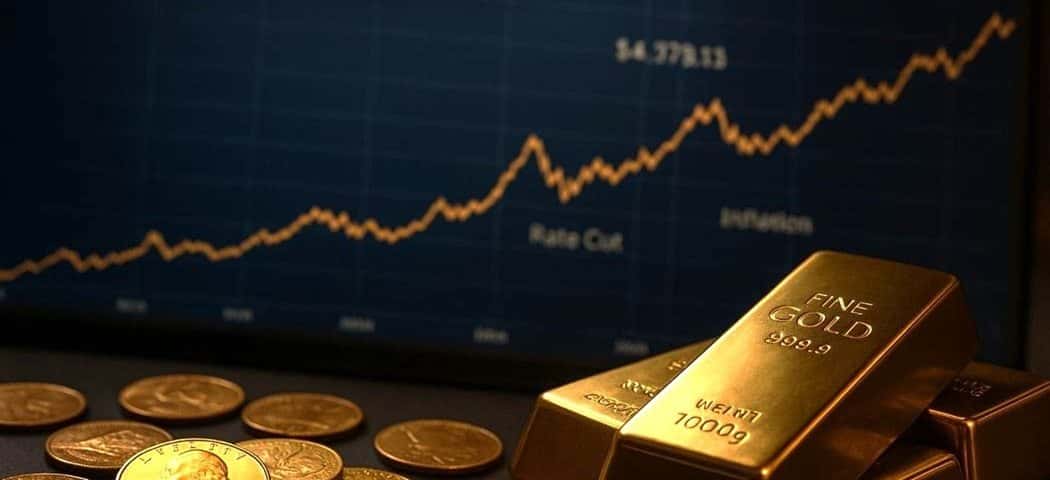
Monetary Easing May Reawaken Gold’s Historic Momentum
The Federal Reserve’s recent pivot toward monetary easing has reignited one of the most reliable dynamics in financial history: when interest rates fall, gold prices rise. With the latest 25-basis-point rate cut reducing the federal funds range to 3.75%–4.00%, investors are asking a familiar question — is this the beginning of the next gold bull market?
On October 17, 2025, gold reached an all-time high of $4,379.13 per ounce, marking a year-to-date gain of over 50% since starting near $2,900 in January. Though prices have since consolidated slightly, this pullback follows a steep rally driven by rate cuts, inflation moderation, and renewed demand for tangible assets.
History shows that gold thrives in environments of falling real yields and expanding liquidity. From the post-dot-com recovery of 2001 to the 2008 financial crisis and the 2020 pandemic stimulus, every major easing cycle has pushed gold higher. The 2025–2026 policy shift may be setting the stage for another powerful uptrend — one that could again redefine the global gold price forecast.
Why Gold Responds to Fed Rate Cuts
When the Federal Reserve lowers rates, several fundamental factors align in gold’s favor:
-
Real yields decline. With Treasury returns falling below inflation, non-yielding assets like gold become more appealing.
-
The U.S. dollar weakens. Lower interest rates often reduce the dollar’s global purchasing power, increasing foreign gold demand.
-
Liquidity expands. Easier monetary policy injects capital into markets, enhancing demand for tangible stores of value.
-
Inflation expectations rise. Investors often turn to precious metals as inflation hedges during easing cycles.
These interconnected trends drive the classic inverse relationship between real interest rates and gold prices. When money becomes cheaper and yields decline, the opportunity cost of holding physical gold disappears — and bullion shines once again.
Historical Perspective: Gold’s Past Bull Markets After Rate Cuts
-
The Early 2000s: From Recession to Recovery
Following the 2001 recession, the Fed slashed rates to 1%. Gold responded by climbing from about $270 per ounce to more than $1,000 by 2008 — a nearly fourfold increase. The combination of a weak dollar, surging deficits, and investor uncertainty created fertile ground for long-term appreciation.
-
The 2008–2011 Cycle: Gold as a Crisis Hedge
In response to the global financial crisis, the Fed’s near-zero rates and quantitative easing programs propelled gold to $1,900 per ounce by 2011. Investors worldwide turned to gold as a hedge against systemic risk, inflation, and fiat currency debasement.
-
The 2020 Pandemic Rally
During the COVID-19 pandemic, gold surged to $2,075 in August 2020 — then a record high — as unprecedented fiscal stimulus and zero-rate policy fueled demand for safe-haven assets.
Each of these eras demonstrates the same recurring pattern: when the Fed cuts rates, gold accelerates. With the 2025–2026 easing phase now underway, investors are once again positioning for the next major cycle.
2025: The Foundation of a New Gold Bull Market
After two consecutive rate cuts in September and October 2025, gold prices have remained resilient, consolidating near $4,000 per ounce. Despite short-term fluctuations, analysts point to several structural supports that could drive another leg higher:
-
Falling real yields: The 10-year Treasury yield is now near 2.9%, well below headline inflation, boosting gold’s appeal.
-
Softer U.S. dollar: The dollar index has weakened significantly as global investors anticipate continued monetary easing.
-
Central bank buying: The World Gold Council reports over 1,000 tons of gold purchased by central banks in 2025 — the highest annual total on record.
-
Persistent inflation pressures: Core inflation, particularly in services, remains elevated, reinforcing gold’s role as a hedge.
These fundamentals mirror those that fueled past rallies. Many analysts now view the recent pullback as a healthy consolidation, not a reversal — potentially setting the stage for another strong advance into 2026.
Real Yields, the Dollar, and the Gold Correlation
The relationship between real interest rates and gold prices remains the single most reliable predictor of performance. When inflation-adjusted yields turn negative, investors lose purchasing power by holding bonds — and gold gains.
Similarly, the U.S. dollar’s recent weakness amplifies foreign gold demand, particularly from Asia and the Middle East. With the Fed easing while other central banks remain cautious, the greenback’s relative value continues to erode, further fueling gold’s international momentum.
Silver, meanwhile, has begun to narrow the gap. Historically, the gold-to-silver ratio compresses during sustained rallies, and silver’s industrial demand from renewable energy and EV production may help it outperform once the gold trend is firmly established.
How Investors Can Position for the Cycle
Investors preparing for the next gold bull market can adopt a balanced, long-term approach:
-
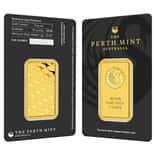
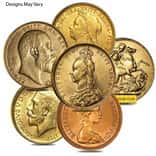
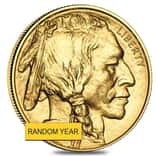
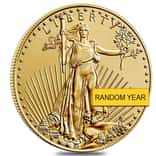
Buy physical gold. 1 oz American Gold Eagles, Gold Buffalos, and Canadian Maple Leafs remain the most trusted global investment coins.
-
Diversify across metals. Include silver, platinum, and palladium to capture correlated price movements and industrial demand.
-
Use dollar-cost averaging. Building a position gradually helps manage volatility and improve cost efficiency over time.
-
Watch real yields and inflation. Gold tends to perform best when inflation exceeds interest rates.
-
Stay informed. Following economic data, Fed statements, and geopolitical developments helps refine timing and expectations.
Even modest portfolio allocations — typically 5–10% in precious metals — can offer meaningful protection against market turbulence, currency devaluation, and inflation.
Short-Term Pullbacks, Long-Term Opportunity
While gold prices have slightly retreated from their October peak, experts see this as a temporary correction rather than a reversal. Similar pauses occurred in both 2009 and 2021 before gold resumed its upward trajectory.
Short-term dips often accompany profit-taking or dollar rebounds, but these consolidations typically provide entry points for long-term buyers. As one market strategist noted, “Every rate-cut cycle begins with hesitation — but ends in momentum.”
Outlook Through 2026: The Case for Sustained Strength
Analysts expect the Federal Reserve to maintain a gradual easing path through mid-2026, which could further reduce real yields and elevate the gold price forecast. Several macro factors support continued bullish sentiment:
-
Central banks continue diversifying into gold.
-
Persistent fiscal deficits and government debt expansion.
-
Slowing economic growth coupled with sticky inflation.
-
Rising geopolitical uncertainty and currency risk.
Under these conditions, gold could reclaim or surpass its $4,379 all-time high, potentially reaching new nominal records by late 2026.
Gold’s Enduring Role in a Shifting Economy
Gold’s appeal lies in its timeless balance between wealth preservation and opportunity. Every major Fed easing cycle has reaffirmed its status as the world’s ultimate safe-haven asset. The current rate-cut environment may once again mark a defining chapter — one where gold outperforms not only paper assets, but inflation itself.
For investors and collectors alike, the message is clear: the era of tightening is over, and gold’s next great ascent may already be underway.
Shop Gold Bullion at Bullion Exchanges
Explore Bullion Exchanges’ full selection of gold coins, bars, and bullion products from the world’s leading mints. View live gold prices, compare premium options, and invest confidently in tangible assets that have preserved wealth for centuries.
Related reading you may find interesting:
How High Could Gold Go? Is $25,000 an Ounce Within Reach?
Elections and the Gold Price: How Politics Shape Metals and Crypto