View Charts
Gold Prices Face Crosswinds: Can the Bull Market Hold?
 0
0
A Pivotal Moment for Gold
The gold price today finds itself at a critical juncture. After surging to a historic high of around $4,380 per ounce on October 20 2025, bullion has since pulled back sharply to near $4,150, underscoring one of the steepest short-term reversals in years. This dramatic movement highlights the tension between long-term demand drivers and short-term macro headwinds. While near-term volatility is evident, the deeper investment thesis for buy gold bullion remains anchored in inflation hedging, institutional accumulation, and safe-asset status. In this article, we assess whether the current correction represents a recalibration or signals the end of the gold bull market.
Short-Term Headwinds: Dollar Strength and Rate Pressure
The retreat from the record high to around $4,150 illustrates how sensitive the gold spot price remains to macro drivers. A stronger U.S. dollar typically pressures dollar-denominated gold, making it less accessible to global buyers. At the same time, expectations of higher-for-longer interest rates elevate the opportunity cost of owning non-yielding assets. These factors have sparked profit-taking after gold’s meteoric rise. Nevertheless, many analysts interpret this as a healthy consolidation rather than a reversal — offering long-term investors a more attractive entry point.
Inflation and Safe-Haven Demand: The True Foundation
Despite signs of moderation in some data, inflation remains structurally elevated across major economies. Historically, gold performs best when real yields decline or inflation expectations outpace monetary policy. In such environments, physical gold bullion continues to appeal as a hedge against purchasing-power erosion and counter-party risk. Even amid short-term corrections, gold’s role in diversified portfolios remains intact and relevant.
Central Bank Accumulation: The Hidden Bullish Engine
One of the most compelling drivers for gold is the ongoing accumulation by central banks. Reserve managers in emerging economies are increasingly shifting away from the U.S. dollar and into gold, creating a structural demand floor beneath the spot price. This trend complements the wider theme of de-dollarization and reinforces bullion’s role as a monetary asset. The long-term institutional backdrop remains favorable, even if the current pull-back raises near-term questions.
Geopolitical and Macroeconomic Forces at Play
Geopolitical instability and economic uncertainty are recurring themes that often boost safe-haven flows into bullion. Whether it’s trade tensions, supply-chain disruptions, or fiscal stress, gold tends to benefit when risk assets falter. These dynamics played a part in gold’s recent climb to the record $4,380 per ounce level and continue to underpin investor interest in physical gold bullion.
Comparative Perspective: Silver, Platinum & Palladium
While gold leads the headlines, the broader precious metals market offers a deeper narrative:
-
Silver: Often viewed as gold’s more volatile sibling, silver remains undervalued in several respects. The gold-to-silver ratio is near 80:1 — far above its historical norm of around 40:1. With strong demand from renewable energy, EVs, and electronics, silver could outperform if trends persist.
-
Platinum: The platinum price has been relatively muted, challenged by weak automotive demand and ample supply. However, emerging hydrogen-fuel applications may ignite its next up-cycle.
-
Palladium: Once a standout, palladium has pulled back amid substitution trends and shifting automotive demand. Still, constrained supply offers occasional price support.
Together, these metals highlight gold’s dominance but also point to potential momentum in silver and other industrial-linked metals.
Long-Term Outlook: A Pause Before the Next Push
Although the near-term environment is challenging, the long-term fundamentals for gold remain robust. With inflation pressures, central-bank demand, and geopolitical risk intact, gold retains its strategic value. According to many analysts, the gold market forecast remains bullish, and today’s pull-back may represent consolidation, not collapse. The current gold price per ounce may fluctuate, but its role as a store of wealth and hedge is unchanged.
Investor Strategy: Navigating Volatility with Purpose
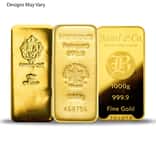
For those focused on gold investing, current weakness may present an opportunity rather than a warning. Dollar-cost averaging into physical bullion, layering in gold coins and gold bars, or complementing holdings with ETFs can help manage risk. Staying alert to key drivers — real yields, Fed commentary, central-bank activity — is essential. Timing matters, but so does discipline, especially when navigating high-volatility periods.
Strength Through Volatility
Gold’s recent pull-back from its all-time high near $4,380 per ounce to about $4,150 reveals the market’s reactive side — yet the foundational reasons to own gold remain undiminished. While near-term crosswinds exist, the long-term tailwinds — inflation hedging, safe-asset demand, and institutional accumulation — are still firmly in place. In the evolving world of tangible assets, gold continues to stand out for its enduring value, resilience, and role in preserving wealth.
Related reading you may find interesting:
Can Gold Erase the $38 Trillion U.S. Debt?
Tether Expands Its Gold Strategy as Digital Bullion Demand Grows