View Charts
Tether Expands Its Gold Strategy as Digital Bullion Demand Grows
 0
0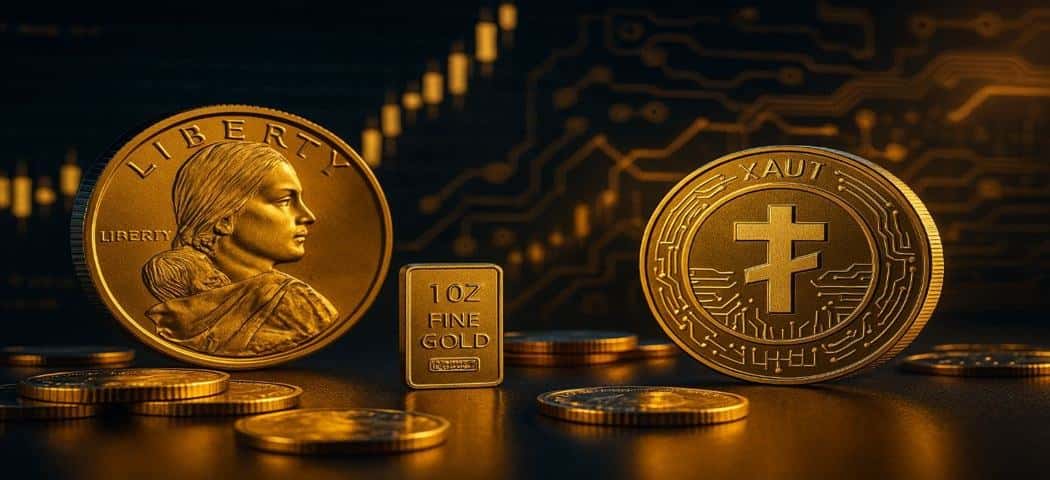
A New Chapter for Gold in the Digital Age
The world of gold investing is undergoing a transformation — one that bridges centuries of monetary tradition with cutting-edge blockchain innovation. As the price of gold continues to reach historic highs amid global economic and geopolitical uncertainty, investors are seeking new ways to access and trade the yellow metal. Now, that shift is accelerating as Tether Holdings — the company behind the world’s most traded stablecoin — expands its footprint in the tokenized gold market.
Tether’s flagship digital product, Tether Gold (XAU₮), is backed by physical bullion and has grown rapidly in popularity. Its rise underscores how technology is reshaping access to real assets — allowing investors to hold digitally transferable gold without leaving the foundation of physical value behind.
Institutional Expertise Meets Blockchain Innovation
In a move that underscores its ambitions in precious metals, Tether Holdings is hiring two top executives from HSBC, one of the world’s largest bullion trading institutions. Sources indicate that Vincent Domien, HSBC’s global head of metals trading, and Mathew O’Neill, head of precious metals origination for EMEA, will soon join Tether to lead its expanding metals operations.
The decision marks a powerful convergence of institutional metals expertise and blockchain-driven finance. Tether’s recruitment strategy signals that tokenized gold is no longer an experimental idea — it’s becoming a mainstream investment vehicle for both individual and institutional investors.
With this expansion, Tether aims to strengthen the credibility of XAU₮, ensuring that each token — representing one troy ounce of physical gold — maintains both transparency and liquidity in global markets.
Tokenized Gold: Redefining Ownership and Access
Tokenized gold bridges two worlds: the security of tangible bullion and the accessibility of digital assets. Each Tether Gold (XAU₮) token represents a real, redeemable ounce of gold stored in secure vaults, merging the stability of gold ownership with the speed and efficiency of blockchain transactions.
Unlike traditional ETFs or derivatives, tokenized gold gives investors direct ownership on-chain — bypassing intermediaries and offering fractional access to one of history’s most reliable stores of wealth. This model appeals especially to younger investors seeking diversification without the logistical constraints of physical storage.
However, while the technology offers convenience, traditional bullion remains irreplaceable for those who value tangible control, privacy, and physical possession. As the digital gold market grows, both realms increasingly coexist — reflecting two expressions of the same enduring demand for real value.
The Growing Tokenized Gold Market
The expansion of Tether Gold arrives as competition in the digital bullion sector intensifies. HSBC, Tether’s former counterpart in traditional metals trading, launched its own Gold Token in 2024, processing more than 100,000 transactions and exceeding $1 billion in trading volume within its first year.
Meanwhile, competitors like Pax Gold (PAXG), Cache Gold, and Meld Gold continue to build trust among investors seeking transparency and 24/7 global trading access. Analysts now view tokenized gold as the fastest-growing segment of the precious metals market, as both retail and institutional investors explore blockchain as a platform for real-asset ownership.
Macro Forces Driving Digital Gold Demand
The recent surge in gold demand isn’t confined to the blockchain. Physical and digital markets alike are being propelled by inflation pressures, central bank accumulation, and global economic uncertainty. As governments diversify reserves and investors hedge against currency risk, gold continues to prove its unique role as a store of value.
The emergence of tokenized assets amplifies that role by removing traditional barriers — making it possible to buy, sell, and transfer ownership of physical gold almost instantly, across borders and platforms. It represents an evolution of trust: the same gold standard, expressed through a new technological framework.
Physical vs. Digital: A Balanced Perspective
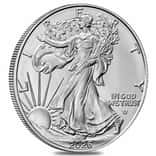
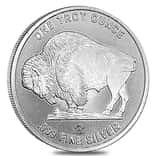
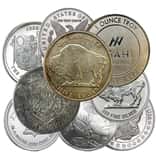
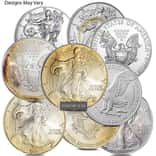
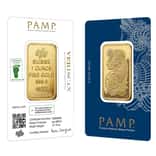
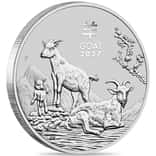
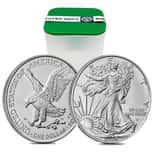
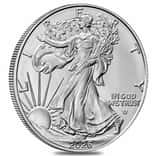
For all the excitement surrounding tokenized gold, physical bullion remains the foundation of real value. Coins and bars — like those from the U.S. Mint, Royal Canadian Mint, PAMP Suisse, and Perth Mint — continue to offer the security of direct, personal ownership.
At Bullion Exchanges, investors can access both sides of the gold market. While Tether’s XAU₮ demonstrates the potential of digital innovation, physical bullion provides the reassurance of tangible wealth. Many investors choose to balance their strategy — holding gold in hand while exploring digital assets as a complement to traditional storage.
By offering real-time gold and silver pricing, transparent sourcing, and expert insights, Bullion Exchanges helps investors stay informed and confident in an evolving precious-metals landscape.
The Future of Gold Investment
As Tether expands its gold operations, it is accelerating a fundamental shift in how investors view ownership, liquidity, and value preservation. The rise of tokenized bullion demonstrates how technology can enhance — not replace — traditional assets.
For gold, this moment reflects a powerful truth: even in a digital economy, the world still measures trust in ounces. Whether stored in a vault or represented on the blockchain, gold remains the universal anchor of financial stability — and its future now spans both the physical and digital realms.