View Charts
A Comprehensive Guide to Coin Grading: Unlocking Value in Numismatics
 0
0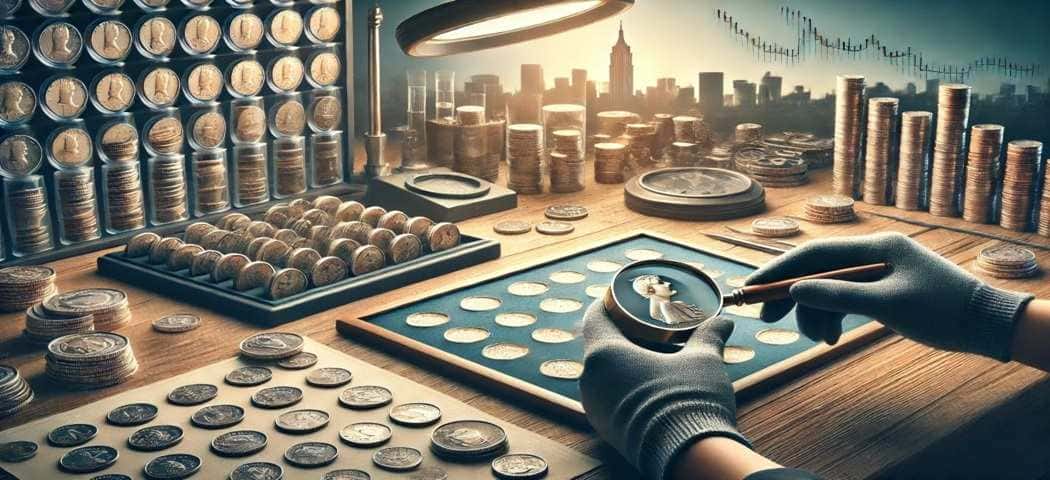
Coin grading is a cornerstone of numismatics, crucial for determining a coin's condition and value. Whether you're a seasoned collector or an investor exploring the potential of rare coins, understanding coin grading is essential. This guide delves into the fundamentals of coin grading, the industry-standard Sheldon Coin Grading Scale, and key insights into top grading companies.
The Basics of Coin Grading: Key Components
Coin grading evaluates various factors that influence a coin’s overall value. These include:
-
Strike: Reflecting the sharpness and clarity of the coin’s design, influenced by the minting process.
-
Surface Preservation: Assessing wear, scratches, or imperfections on a coin's surface.
-
Luster: The brilliance and shine, often determining how well the coin has been preserved.
-
Toning: Natural patina or color changes caused by environmental factors, enhancing uniqueness.
-
Eye Appeal: A subjective measure of a coin's aesthetic charm.
-
Rarity: The scarcity of a coin, which significantly impacts its desirability and market value.
-
Market Demand: Coins with higher collector and investor interest fetch better prices.
Grading a coin accurately combines these components, providing a reliable valuation.
How to Determine if Your Coin is Worth Grading
Not all coins warrant professional grading. Focus on coins that are:
-
Rare or Unique: Limited mintages or unusual features increase value.
-
In High Demand: Popular among collectors and investors.
-
In Excellent Condition: Well-preserved coins typically fetch higher prices.
-
Historically Significant: Coins with a rich history or cultural value are more collectible.
Grading verifies a coin's authenticity, enhances its marketability, and protects it from environmental damage.
Understanding the Sheldon Coin Grading Scale
The Sheldon Coin Grading Scale, established in 1949, is the industry standard for coin grading, ranging from 1 (Poor) to 70 (Perfect). Here's how it works:
-
Grades 1-10: Poor to Fair – Heavily worn coins with minimal detail.
-
Grades 11-20: Good to Very Good – Moderate wear with partially visible details.
-
Grades 21-40: Fine to Very Fine – Moderate wear with significant detail intact.
-
Grades 41-58: Extremely Fine to About Uncirculated – Minor wear with sharp detail.
-
Grades 60-70: Mint State or Proof – Uncirculated coins with perfect or near-perfect surfaces.
MS 69 vs. MS 70
-
MS 69: Near-perfect coins with minor, barely visible imperfections.
-
MS 70: Flawless coins with no visible defects under magnification.
MS vs. PF
-
MS (Mint State): Regular uncirculated coins.
-
PF (Proof): Collector-grade coins with polished dies and mirror-like finishes.
Top Coin Grading Companies
Professional coin grading adds value by ensuring authenticity and condition. The most reputable grading services include:
1. Professional Coin Grading Service (PCGS)
-
Founded in 1985, PCGS is renowned for its strict grading standards.
-
Services include authentication, encapsulation, and auction representation.
-
Ideal for rare and high-grade coins, making it a favorite among serious collectors.
2. Numismatic Guaranty Company (NGC)
-
Established in 1987, NGC is praised for consistency and professionalism.
-
Offers grading, conservation, and restoration services.
-
Widely trusted, with over 40 million coins certified globally.
3. American Numismatic Association Certification Service (ANACS)
-
The oldest U.S. coin grading service, ANACS is known for accurate authentication and grading.
-
Affordable and ideal for collectors of diverse coin types.
NGC vs. PCGS
-
PCGS: Favored for strict grading and higher resale values.
-
NGC: Appreciated for grading consistency and appealing coin holders.
Your choice depends on personal preference and the coin’s specific requirements.
Exploring Mint Error Coins
Error coins, produced with minting mistakes, are often valuable and collectible. Common errors include:
-
Planchet Errors: Defects in the blank metal disk, such as cracks or uneven thickness.
-
Die Errors: Flaws in the engraved die, leading to doubling or cuds.
-
Striking Errors: Off-center strikes, doubled dies, or brockages from misaligned dies.
-
Over-mint marks and Overdates: Modifications such as overdates or multiple mint marks.
These imperfections make error coins rare and desirable among collectors.
If you suspect that you possess a valuable mint error coin, seeking professional grading is strongly advisable. Expert evaluation not only confirms the authenticity and specific nature of the error but also provides a certified grade that can significantly enhance the coin's market value. Additionally, professional grading services include encapsulation, which preserves the coin's condition and protects it from environmental damage, ensuring its long-term appeal and value.
Average Cost and Time for Coin Grading
-
Cost: Grading fees range from $20 to $50 for standard submissions. Additional services like conservation or imaging can increase costs.
-
Timeframe: Turnaround times vary from a few days (expedited) to several weeks (standard).
Shipping, insurance, and seasonal demand (e.g., around coin shows) may also affect overall costs and timelines.
Before choosing a coin grading professional, it’s highly recommended to compare prices and service offerings. Each company offers unique features, such as specialty certifications, exclusive holders, or membership discounts for bulk submissions. Evaluating these factors can help you identify the best fit for your specific needs and budget. Additionally, consider reading reviews and understanding the company's reputation within the numismatic community to ensure you receive reliable and high-quality service.
Taking the time to research and compare grading options not only saves money but also ensures that your coins are evaluated accurately and professionally, maximizing their potential value and appeal.
Why Coin Grading Matters
Understanding the coin grading process is essential for both preserving a coin’s value and verifying its authenticity. Whether you’re a passionate numismatist building a collection or an investor seeking to diversify your portfolio, professionally graded coins offer a range of benefits that make them an indispensable asset.
-
Enhanced Credibility and Resale Value: A professional grade certifies a coin’s condition, rarity, and authenticity, giving it greater appeal and trustworthiness in the marketplace. Graded coins often command higher prices and are easier to sell, as buyers have confidence in their verified status.
-
Protection Through Encapsulation: Grading services include encapsulating coins in tamper-proof holders, safeguarding them from physical damage, environmental exposure, and potential counterfeit risks. This preservation enhances the coin’s longevity and maintains its appeal.
-
A Clear Benchmark for Condition and Rarity: A professional grade provides a standardized and universally recognized measure of a coin’s quality, helping collectors and investors make informed decisions. This benchmark is especially important when assessing rare or high-value coins.
At Bullion Exchanges, we understand the value of numismatics and are committed to providing expert insights and access to the world’s finest graded coins. Whether you’re looking to expand your collection, invest in rare pieces, or explore unique finds, our carefully curated selection offers something for every enthusiast.
Start exploring today and discover how graded coins combine historical significance, artistic craftsmanship, and financial security into a timeless investment opportunity.