View Charts
view all gold coins
- new




















Gold has long been considered a valuable asset for several reasons:
- Hedge against inflation: Inflation erodes the purchasing power of money, and as a result, investors often seek assets that can maintain or increase in value over time. Gold has historically been seen as a reliable store of value during periods of high inflation, as its price typically rises when the value of paper currency declines.
- Currency devaluation: Gold is often viewed as a protection against currency devaluation. When a currency loses value, it takes more of that currency to buy an ounce of gold. Investors often buy gold to protect their wealth when they expect their domestic currency to weaken.
- Economic uncertainty: Gold has been regarded as a safe haven during times of economic turmoil, as it tends to retain its value even when other asset classes, such as stocks and bonds, are declining. This makes gold an attractive option for investors looking to diversify their portfolios and reduce overall risk.
- Portfolio diversification: Adding gold to your investment portfolio can provide diversification benefits, as gold typically has a low or negative correlation with other assets like stocks and bonds. This means that when other investments are underperforming, gold may perform well, helping to offset losses in other areas of your portfolio.
- Wealth preservation: Gold has been used as a store of value for thousands of years, and its appeal remains strong today. Investors often turn to gold as a means of preserving their wealth, particularly during times of economic or political instability.
In summary, buying gold can be an effective way to hedge against various economic risks, diversify your investment portfolio, and preserve your wealth. However, it's essential to consider your individual financial goals, risk tolerance, and investment strategy before making any investment decisions.
There are several forms of gold you can invest in, each with its own advantages and disadvantages. Here are some of the most common forms of gold investments:
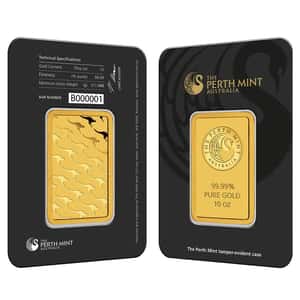
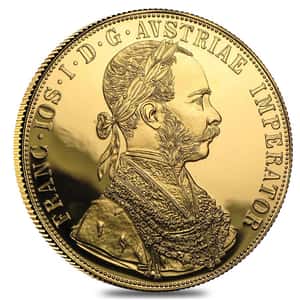
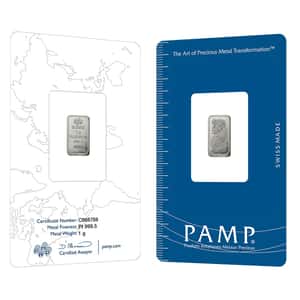
- Physical gold: Physical gold includes gold bars, coins, and rounds. These are tangible assets that can be bought, sold, and stored. Owning physical gold allows you to have direct access to your investment, and it can be a source of pride for collectors. However, storage and insurance costs may apply, and liquidity can be an issue when it's time to sell.
- Gold Exchange Traded Funds (ETFs): Gold ETFs are investment funds that track the price of gold, allowing investors to gain exposure to gold without physically owning it. These funds can be traded like stocks on major stock exchanges, providing easy access and liquidity. Gold ETFs offer a convenient way to invest in gold, but they come with management fees and may not perfectly track the gold price due to expenses and other factors.
- Gold mining stocks: Investing in gold mining companies is another way to gain exposure to gold. By purchasing shares in gold mining companies, you can benefit from the company's growth and success. However, this form of investment comes with its own set of risks, as it is subject to the performance of the individual company, management decisions, and the overall health of the mining industry.
- Gold mutual funds: Gold mutual funds are investment vehicles that pool investors' money to buy shares in gold mining companies, gold ETFs, or physical gold. These funds are managed by professional portfolio managers and offer diversification within the gold sector. While gold mutual funds can provide exposure to gold, they also come with management fees and may underperform the gold price due to expenses and the performance of the underlying investments.
- Gold futures and options: Gold futures and options are financial contracts that allow investors to speculate on the future price of gold. These contracts can be traded on commodities exchanges and offer a way to profit from gold price fluctuations without physically owning the metal. However, futures and options trading can be complex and carries a high level of risk, making it more suitable for experienced investors.
- Gold certificates: Gold certificates are documents that represent ownership of a specific amount of gold. These certificates can be issued by banks or other financial institutions and allow investors to own gold without physically storing it. While gold certificates offer convenience, they also come with counterparty risk, as the investor is reliant on the issuer to honor the certificate.
- Digital gold: Digital gold, also known as gold-backed cryptocurrencies, is a relatively new form of investment that combines the benefits of blockchain technology with gold's stability. These digital tokens are backed by physical gold, with each token representing a specific amount of gold. Digital gold offers easy access, transferability, and low storage costs, but it is subject to the risks and volatility of the cryptocurrency market.
Each form of gold investment has its own unique set of advantages and disadvantages, and the right choice will depend on your individual investment goals, risk tolerance, and preferences. It's essential to carefully consider your options and conduct thorough research before making any investment decisions.
Purchasing physical gold can be a straightforward process, but it's essential to follow a few steps to ensure a safe and secure transaction. Here's a guide on how to buy physical gold:
- Determine your budget and investment goals: Before you start buying gold, it's essential to know how much you're willing to invest and what your investment objectives are. This will help you decide on the type and quantity of gold to purchase.
- Choose the form of gold: Physical gold comes in various forms, such as coins, bars, and rounds. Gold coins are often considered more collectible and may carry a higher premium than bars or rounds, while gold bars and rounds are usually more cost-effective options for larger investments. Research the different forms of gold and choose the one that best fits your investment goals and preferences.
- Research reputable dealers: Look for established gold dealers with a solid reputation in the industry. You can check for online reviews, ask for recommendations from friends or family members, or consult with professional organizations like the Better Business Bureau (BBB) or industry associations. Make sure the dealer is transparent about their pricing, buyback policies, and product authenticity.
- Compare prices and premiums: Gold prices are typically quoted in terms of the spot price per troy ounce. However, physical gold often carries a premium above the spot price, which covers the costs of minting, distribution, and a dealer's profit margin. Compare the premiums charged by different dealers to find the best deal, but keep in mind that extremely low premiums may indicate a less reputable dealer or counterfeit products.
- Verify authenticity: Ensure the gold you're purchasing is genuine by looking for hallmarks or certifications from reputable mints or refineries. Some gold products come with an assay card or certificate of authenticity, which can provide added assurance of the gold's purity and weight.
- Choose a payment method: Once you've found a reputable dealer and selected the gold you want to purchase, decide on a payment method. Common payment options include bank transfers, credit cards, and personal checks. Some dealers may also accept cash, but large cash transactions can raise red flags and may require additional documentation for tax purposes.
- Arrange for secure shipping or pick-up: If you're buying gold online or from a dealer in another location, make sure the shipping process is secure and insured. Some dealers may offer free shipping, while others may charge a fee based on the value of your purchase. Alternatively, you can arrange to pick up the gold in person from a local dealer to avoid shipping risks.
- Store your gold safely: After purchasing physical gold, it's crucial to store it securely to protect your investment. You can choose to store your gold at home in a safe or secure hidden location, or opt for professional storage solutions like bank safe deposit boxes or private vaults. Keep in mind that storage costs and insurance may apply, depending on the chosen method.
By following these steps, you can safely and confidently purchase physical gold as part of your investment strategy. Always remember to do your due diligence and consult with a financial advisor if needed to ensure you're making the best decisions for your financial situation.
Investing in gold stocks, mutual funds, or ETFs (Exchange-Traded Funds) is an alternative way to gain exposure to gold without directly owning the physical metal. These investments track the price of gold or the performance of gold-related companies. Here's a guide on how to invest in gold stocks, mutual funds, or ETFs:
- Research and understand the different investment options:
- Gold stocks: Investing in gold mining or exploration companies allows you to profit from their performance, which may correlate with the price of gold. However, company-specific factors, such as management decisions and operational risks, can also affect stock prices.
- Gold mutual funds: These actively managed funds typically invest in a diversified portfolio of gold mining and related companies, aiming to provide returns that outperform the overall gold market. Mutual funds often have a minimum investment requirement and may charge management fees.
- Gold ETFs: Gold ETFs are passive investment vehicles that track the price of gold or a basket of gold-related stocks. They trade on stock exchanges like regular stocks, offering liquidity and relatively low fees compared to mutual funds.
- Open a brokerage account: To invest in gold stocks, mutual funds, or ETFs, you'll need a brokerage account. There are many online and traditional brokerage firms to choose from, each with its own fee structure and investment options. Research and compare different brokerages to find one that aligns with your investment preferences and goals.
- Evaluate and choose the right investment: Conduct thorough research on the available gold stocks, mutual funds, or ETFs to find the ones that align with your investment objectives and risk tolerance. Some factors to consider include:
- Historical performance and volatility
- Exposure to gold or gold-related companies
- Management fees and expense ratios
- Diversification and concentration of holdings
- Market capitalization and liquidity
- Place your order: Once you've selected the gold investment vehicle that best suits your needs, place an order through your brokerage account. You can choose from various order types, such as market orders (executed immediately at the current market price) or limit orders (executed only when the price reaches a specific level). Keep in mind that brokerage fees and commissions may apply.
- Monitor and manage your investment: Regularly review the performance of your gold investment to ensure it remains aligned with your financial goals and risk tolerance. Depending on market conditions and your investment strategy, you may decide to rebalance your portfolio, sell your investment, or purchase additional shares.
- Consult with a financial advisor: If you're unsure about how to invest in gold stocks, mutual funds, or ETFs or need assistance with portfolio management, consider consulting with a financial advisor. They can provide personalized advice and recommendations based on your unique financial situation and goals.
By following these steps, you can invest in gold stocks, mutual funds, or ETFs as part of your diversified investment portfolio. Remember to conduct thorough research and consult with a financial advisor if needed to ensure you're making informed decisions that align with your financial objectives.
When buying gold, several costs are associated with the purchase, storage, and sale of the precious metal. It's crucial to be aware of these costs to make informed decisions and manage your investment effectively. Here are some of the primary costs associated with buying gold:
- Premiums: When purchasing physical gold, such as coins or bars, you will typically pay a premium over the spot price of gold. The premium covers the costs of production, distribution, and a profit margin for the dealer. Premiums can vary depending on the form of gold, its weight, and the dealer you are buying from.
- Taxes: Depending on your jurisdiction, taxes may be levied on gold purchases, such as sales tax, value-added tax (VAT), or goods and services tax (GST). It's essential to understand the tax implications of buying gold in your region to accurately calculate the total cost of your investment.
- Shipping and insurance: When buying physical gold, you may need to cover shipping and insurance costs to safely deliver the precious metal to your location. These costs can vary depending on the shipping method, the value of the gold, and the distance it needs to travel.
- Storage fees: If you choose to store your physical gold in a professional vault, bank, or depository, you may need to pay storage fees. These fees often vary depending on the storage facility and the amount of gold you are storing. Storage fees typically include insurance to protect your gold from theft, damage, or loss.
- Management fees and expense ratios: When investing in gold stocks, mutual funds, or ETFs, you may need to pay management fees or expense ratios. These fees cover the costs of managing the investment vehicle, such as research, trading, and administration. Expense ratios are usually expressed as a percentage of the investment's total assets and are charged annually.
- Brokerage fees and commissions: When buying or selling gold stocks, mutual funds, or ETFs through a brokerage account, you may be subject to brokerage fees or commissions. These fees can vary depending on the brokerage firm and the specific investment product.
- Bid-ask spread: When trading gold or gold-related investments, you may encounter the bid-ask spread, which is the difference between the highest price a buyer is willing to pay (bid) and the lowest price a seller is willing to accept (ask). The bid-ask spread can impact the cost of buying and selling gold, particularly for short-term traders.
By considering these costs when buying gold, you can make more informed decisions and better manage your investment. Always research and compare different dealers, investment vehicles, and storage options to ensure you are getting the best value for your money.
Storing your physical gold securely is crucial to protect your investment from theft, damage, or loss. There are several options available for storing your gold, each with its own benefits and drawbacks. Here are some of the most common storage options:
- Home storage: Some investors choose to store their gold at home in a safe or hidden location. This option provides immediate access to your gold and eliminates storage fees. However, storing gold at home comes with risks, including theft, damage due to fire or natural disasters, and the potential for misplacement. If you opt for home storage, it's essential to invest in a high-quality safe and consider additional security measures, such as a home security system or surveillance cameras.
- Bank safe deposit box: A bank safe deposit box is another popular option for storing physical gold. Safe deposit boxes are located within a bank's vault, offering increased security compared to home storage. However, there are limitations to this option, such as limited access during bank hours, potential fees for renting the box, and the fact that the contents are not typically insured by the bank. Additionally, some banks may have restrictions on storing precious metals in safe deposit boxes.
- Private vaults or depositories: Private vaults or depositories are specialized facilities designed to store precious metals securely. These facilities often provide advanced security measures, such as 24/7 monitoring, biometric access controls, and insurance coverage for stored assets. While private vaults or depositories offer a high level of security, they also come with storage fees, which can vary depending on the facility and the amount of gold being stored.
- Allocated storage: Allocated storage is a service provided by some bullion dealers, vaults, or depositories, where your gold is stored separately from other customers' gold and is specifically designated as your property. This type of storage ensures that your gold is not commingled with other metals and can be readily identified as yours. Allocated storage typically comes with storage fees and may include additional insurance coverage.
- Unallocated storage: Unallocated storage is another service provided by some bullion dealers or vaults, where your gold is pooled with other customers' gold, and you have a claim to a specific amount of gold rather than specific bars or coins. This option can be more cost-effective, as storage fees are usually lower than allocated storage. However, unallocated storage may carry increased risks, such as the potential for the storage provider's insolvency or mismanagement.
When choosing a storage option for your physical gold, consider factors such as security, accessibility, insurance coverage, and costs. Evaluate the pros and cons of each option to determine the best storage solution for your investment needs and risk tolerance.
Selling your gold can be a straightforward process, but it's important to be well-informed and take the necessary steps to ensure a smooth transaction. Here are the key aspects to consider when selling your gold:
- Determine the value of your gold: Before selling your gold, you should have a clear understanding of its value. This involves checking the current spot price of gold, which fluctuates throughout the day based on market conditions. Also, consider the purity, weight, and any potential numismatic value (collectible value) of your gold items. Researching these factors will help you establish a reasonable asking price and avoid being taken advantage of by unscrupulous buyers.
- Choose a buyer: There are several options for selling your gold, including local coin shops, pawnshops, online dealers, and gold-buying businesses. Research potential buyers carefully, comparing their reputations, customer reviews, and offered prices. Keep in mind that some buyers may offer a higher percentage of the spot price for your gold than others, so it's worth shopping around to find the best deal.
- Get an appraisal: If you're unsure of your gold's value or have a unique item with potential numismatic value, consider getting an appraisal from a reputable professional. An appraiser can help you determine the value of your gold and provide documentation, which can be useful when negotiating with potential buyers.
- Negotiate the price: Once you have a clear understanding of your gold's value and have selected a buyer, be prepared to negotiate the price. Keep in mind that most buyers will offer slightly less than the spot price to cover their costs and make a profit. However, if a buyer offers a price that seems too low, don't be afraid to walk away and explore other options.
- Complete the transaction: After agreeing on a price, the buyer may test your gold to verify its purity and authenticity. This process may involve using an acid test, electronic gold tester, or X-ray fluorescence (XRF) analyzer. Once the buyer has confirmed the gold's purity and weight, they will provide payment according to the agreed-upon terms, which may be in cash, check, or electronic transfer.
- Keep records: Maintain records of your gold sale, including any appraisals, receipts, and transaction details. These records can be helpful for tax purposes and provide documentation of the sale in case any disputes arise.
When selling your gold, it's essential to be informed about its value, research potential buyers, and be prepared to negotiate the price. By taking these steps, you can ensure a successful and profitable transaction.
Investing in gold can have tax implications, which vary depending on your location and the type of gold investment. It's essential to be aware of these tax consequences to make informed decisions and plan your investments accordingly. Here are some general tax implications associated with gold investments:
- Capital Gains Tax: When you sell gold investments, such as physical gold, gold stocks, or gold ETFs, for a profit, you may be subject to capital gains tax. The tax rate depends on the holding period (short-term or long-term) and your tax bracket. In the United States, short-term capital gains (assets held for one year or less) are taxed at your ordinary income tax rate, while long-term capital gains (assets held for more than one year) are taxed at a lower rate, ranging from 0% to 20% depending on your income level.
- Collectibles Tax: In some jurisdictions, such as the United States, physical gold and certain gold coins are considered collectibles, which are subject to a different tax treatment. Long-term capital gains on collectibles are generally taxed at a higher rate than other investments, with a maximum rate of 28% in the US.
- Sales Tax: When purchasing physical gold, you may be subject to sales tax depending on your location and the type of gold you're buying. Some jurisdictions have specific exemptions for gold bullion or coins, while others may tax these items. Be sure to research the sales tax regulations in your area before making a purchase.
- IRA and Retirement Accounts: In some countries, gold investments can be included in tax-advantaged retirement accounts, such as Individual Retirement Accounts (IRAs) in the United States. These accounts can offer tax-deferred growth, meaning you won't pay taxes on your gold investments until you start taking distributions in retirement. However, there are specific rules and requirements for holding gold in an IRA, such as using an approved custodian and only investing in eligible gold products.
- Estate and Inheritance Taxes: If you hold gold as part of your estate, it may be subject to estate or inheritance taxes, depending on the value of your estate and your jurisdiction's tax laws.
Given the complexity of tax regulations, it's essential to consult a tax professional or financial advisor familiar with the tax implications of gold investments in your jurisdiction. They can provide personalized guidance and help you plan your investments to minimize your tax liability while maximizing your potential returns.
The price of gold is influenced by various factors, ranging from macroeconomic conditions to market sentiment. Understanding these factors can help you make informed decisions when investing in gold. Here are some key factors that affect the price of gold:
- Supply and Demand: Like any commodity, gold prices are primarily driven by supply and demand dynamics. Factors that influence demand for gold include jewelry and industrial applications, central bank purchases, and investment demand from individuals and institutions. On the supply side, factors such as gold production from mines, recycling, and existing above-ground stockpiles can impact the price.
- Inflation and Interest Rates: Gold is often viewed as a hedge against inflation because its value tends to hold up when currencies lose purchasing power. As a result, higher inflation can increase demand for gold and push its price up. On the other hand, rising interest rates can make yield-bearing assets more attractive, leading to decreased demand for non-yielding assets like gold. Conversely, lower interest rates can boost gold prices by reducing the opportunity cost of holding gold.
- Currency Movements: Gold prices are typically quoted in US dollars, and fluctuations in the value of the dollar can significantly impact gold prices. A weaker dollar makes gold less expensive for investors holding other currencies, increasing demand and pushing prices up. Conversely, a stronger dollar can make gold more expensive for non-dollar investors, leading to decreased demand and lower prices.
- Economic and Geopolitical Uncertainty: Gold is often viewed as a safe-haven asset during times of economic and geopolitical uncertainty. When investors are concerned about the stability of financial markets, global economies, or political situations, they may turn to gold as a store of value and a way to protect their wealth. This increased demand can drive gold prices higher.
- Market Sentiment and Speculation: Investor sentiment and speculative activity can also significantly influence gold prices. As traders and investors react to news, economic data, and technical analysis, their buying and selling decisions can create price fluctuations in the gold market. Market sentiment can sometimes lead to short-term price swings that may not necessarily align with long-term fundamentals.
- Government Policies: Government policies, such as monetary policy decisions, fiscal policy measures, and trade policies, can have a direct or indirect impact on gold prices. For example, quantitative easing and other forms of monetary stimulus can lead to currency devaluation and higher inflation expectations, which in turn can drive demand for gold.
It's essential to consider these factors and their potential impact on gold prices when making investment decisions. Monitoring news, economic indicators, and market trends can help you stay informed and make well-informed decisions when investing in gold.
Gold is often considered a relatively safe investment due to its long history as a store of value and its role as a hedge against inflation, currency devaluation, and economic uncertainty. However, like any investment, gold also comes with its own set of risks and considerations. Here are some points to keep in mind when evaluating the safety of gold as an investment:
- Diversification: Gold can be a valuable addition to a diversified investment portfolio, as it tends to have a low correlation with other assets like stocks and bonds. This means that gold may perform well when other investments are struggling, helping to balance your portfolio's overall performance.
- Long-term store of value: Gold has maintained its value over thousands of years and is often seen as a way to preserve wealth over the long term. While gold prices can experience short-term fluctuations, the metal has generally held its purchasing power over time.
- Safe-haven appeal: During periods of economic or geopolitical turmoil, gold is often sought after as a safe-haven asset, providing a potential buffer against market volatility and uncertainty.
- Liquidity: Gold is a widely traded commodity with a global market, making it relatively easy to buy and sell. This liquidity can be an advantage if you need to convert your gold investment into cash quickly.
However, it's essential to be aware of the risks and limitations associated with investing in gold:
- Price volatility: Gold prices can be subject to short-term fluctuations based on factors such as market sentiment, currency movements, and changes in economic conditions. As with any investment, there is a risk that the value of your gold investment could decline.
- No regular income: Unlike investments such as stocks or bonds, gold does not generate regular income through dividends or interest payments. This can be a drawback for investors seeking cash flow from their investments.
- Storage and insurance costs: If you choose to invest in physical gold, you'll need to consider the costs associated with storing and insuring the metal. These costs can erode your investment returns over time.
- Taxes: Depending on your jurisdiction, you may be subject to taxes on your gold investment, such as capital gains tax when you sell the gold at a profit.
In summary, while gold can be considered a relatively safe investment in certain aspects, it's important to weigh the potential benefits against the risks and limitations. As with any investment, it's crucial to conduct thorough research and consider your financial goals, risk tolerance, and investment horizon before committing to a gold investment.