View Charts
view all platinum bars
Quick Links
Gold
Gold at Spot Gold Bars Gold Coins
Silver
Silver at Spot Silver Coins Silver Bars Silver Rounds Exclusives
Platinum
Platinum Coins Platinum BarsFilter
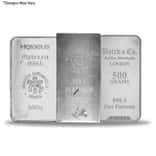
As low as:$27,260.66
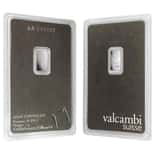
As low as:$71.83
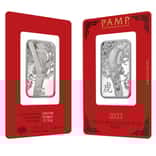
As low as:$1,830.80
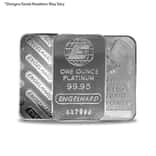
As low as:$1,760.80
As low as:$1,770.80
Items per page: 36


FAQs
Why Should I Consider Buying Platinum?
You should consider buying platinum for several reasons, as it offers a range of potential benefits to investors:
- Portfolio diversification: Platinum can be an effective way to diversify your investment portfolio. Due to its unique characteristics, platinum often has a low correlation with other assets like stocks, bonds, and even other precious metals like gold and silver. This means that it can potentially help reduce the overall risk of your portfolio and provide a hedge against market volatility.
- Scarcity: Platinum is one of the rarest precious metals on Earth, making it a potentially valuable investment. Its scarcity can contribute to higher demand and price appreciation, particularly during times of geopolitical uncertainty, supply disruptions, or increased industrial use.
- Industrial demand: Platinum has various industrial applications, including automotive catalytic converters, hydrogen fuel cells, electronics, and chemical processing. As the global economy continues to grow and the demand for clean energy technologies increases, the demand for platinum is expected to rise, which can positively impact its price.
- Inflation hedge: Similar to other precious metals, platinum can act as a hedge against inflation. As the value of fiat currencies fluctuates or declines, the value of platinum may remain relatively stable or even appreciate, preserving your purchasing power and protecting your wealth.
- Safe-haven investment: In times of economic uncertainty, political instability, or market turmoil, investors often turn to precious metals like platinum as a safe-haven investment. As a store of value, platinum can provide a sense of security and stability, particularly during periods of heightened risk.
- Potential for price appreciation: Due to its unique properties and various applications, platinum has the potential for long-term price appreciation. Factors such as increasing industrial demand, limited supply, and geopolitical factors can all contribute to higher platinum prices over time.
What are the Different Forms of Platinum I Can Invest in?
There are several forms of platinum you can invest in, each with its own unique characteristics and advantages. Some of the most popular investment options include:
- Physical platinum: Investing in physical platinum typically involves purchasing platinum bars or coins. Physical platinum offers the advantage of direct ownership, and you can hold, store, and sell it as needed. Some popular platinum coins include the American Platinum Eagle, Canadian Platinum Maple Leaf, and the Austrian Platinum Philharmonic.
- Platinum ETFs (Exchange-Traded Funds): Platinum ETFs are investment funds that track the price of platinum. They allow you to gain exposure to the platinum market without having to buy, store, or sell physical platinum. Some popular platinum ETFs include the Aberdeen Standard Physical Platinum Shares ETF (PPLT) and the GraniteShares Platinum Trust (PLTM).
- Platinum stocks: Investing in platinum stocks involves purchasing shares of companies involved in the platinum industry, such as mining companies, refiners, or producers. These stocks can provide indirect exposure to platinum prices while also offering the potential for capital appreciation and dividends. However, investing in individual stocks also carries company-specific risks.
- Platinum mutual funds: Platinum mutual funds are pooled investment vehicles that invest in a diversified portfolio of platinum-related stocks, bonds, or other assets. These funds offer professional management and diversification but typically come with management fees and may have minimum investment requirements.
- Platinum futures and options: Platinum futures and options are financial contracts that allow you to speculate on the future price of platinum. These derivatives can be used for hedging or speculative purposes but require a higher level of knowledge and expertise in trading and can carry significant risks.
- Platinum certificates: Platinum certificates represent ownership of a specific amount of platinum held by a financial institution or storage facility. These certificates can be bought and sold, providing exposure to platinum prices without the need to physically store the metal.
What Are the Costs Associated With Buying Platinum?
When investing in platinum, several costs may be associated with the purchase, storage, and eventual sale of the metal. These costs can vary depending on the form of platinum you choose to invest in. Some of the most common costs include:
- Premiums: When buying physical platinum, you will generally pay a premium over the spot price of the metal. This premium covers the costs of producing, refining, and minting the platinum bars or coins, as well as any dealer markups. Premiums can vary depending on the specific product, the size of the purchase, and the dealer you choose.
- Commissions and fees: When investing in platinum ETFs, stocks, or mutual funds, you may encounter various fees and commissions. These can include brokerage commissions for buying and selling shares, management fees for mutual funds or ETFs, and other transaction fees that may apply.
- Storage costs: If you own physical platinum, you may need to pay for secure storage to protect your investment. This could involve renting a safe deposit box at a bank or using a private vault or storage facility that specializes in precious metals. Storage costs will vary depending on the facility, the amount of platinum you store, and any insurance coverage you choose.
- Shipping and insurance: When buying physical platinum, you may need to pay for shipping and insurance to have the metal delivered to you or your chosen storage location. These costs will depend on the size and value of your purchase and the shipping method you choose.
- Taxes: Depending on your country of residence, you may be subject to taxes on your platinum investments. These can include capital gains taxes when you sell your investment at a profit or value-added taxes (VAT) when purchasing physical platinum in some countries. Be sure to consult with a tax advisor or financial professional to understand the tax implications of investing in platinum in your jurisdiction.
- Spreads: When trading platinum futures and options, you may encounter bid-ask spreads, which represent the difference between the prices at which you can buy and sell the contracts. These spreads can impact your overall costs and the profitability of your trades.
How Do I Store My Physical Platinum?
Storing physical platinum securely is essential to protect your investment from theft, damage, or loss. There are several options available for storing physical platinum, each with its own advantages and disadvantages. Some of the most common storage methods include:
- Home storage: Some investors choose to store their platinum at home in a safe or hidden location. This method offers immediate access to your investment and avoids storage fees. However, it comes with risks, such as theft or damage due to fire, flood, or other disasters. It's essential to have a high-quality safe and proper insurance coverage if you decide to store your platinum at home.
- Bank safe deposit box: Renting a safe deposit box at a bank is another option for storing physical platinum. This method provides a secure storage environment and typically includes insurance coverage. However, access to your platinum may be limited to the bank's operating hours, and you may need to pay annual rental fees for the safe deposit box.
- Private vaults and storage facilities: Some companies specialize in providing secure storage solutions for precious metals, including platinum. These private vaults and storage facilities often offer high levels of security, insurance coverage, and 24/7 access to your investment. However, storage fees will apply, and the costs can vary depending on the facility and the amount of platinum you store.
- Allocated storage: Some precious metal dealers and investment firms offer allocated storage services, where your platinum is stored separately from other clients' metals and is fully insured. This option can provide a high level of security and professional management, but storage fees and limited access to your investment may apply.
- Pool allocated storage: With pool allocated storage, your platinum is combined with other investors' metals in a secure storage facility. While this method may be more cost-effective than allocated storage, you may have less direct ownership and control over your specific platinum bars or coins.
How Do I Sell My Platinum?
Selling your platinum can be a straightforward process if you follow the appropriate steps and work with a reputable dealer or platform. Here are some steps to guide you through the process:
- Determine the value: First, find out the current market price of platinum, typically quoted per troy ounce. You can check the market price on financial news websites, precious metal dealers' websites, or specialized platforms that provide live updates on precious metal prices. Keep in mind that the price of platinum can fluctuate throughout the day.
- Assess your platinum: Examine your platinum bars, coins, or other forms of investment to ensure they are in good condition, as this can impact their resale value. Note the weight, purity, and any distinguishing marks or features, such as mint marks or serial numbers. If you have a certificate of authenticity or assay card, have it ready for verification.
- Choose a buyer: You can sell your platinum to various buyers, such as precious metal dealers, online platforms, pawnshops, or even private collectors. It's essential to research potential buyers to find a reputable and trustworthy one that offers competitive prices. Look for positive reviews, transparent pricing, and a history of successful transactions.
- Get a quote: Contact the potential buyer and provide information about your platinum, including weight, purity, and condition. They should be able to give you a quote based on the current market price and the specifics of your platinum holdings. You can compare quotes from different buyers to find the best offer.
- Complete the transaction: Once you've chosen a buyer and agreed on a price, follow their instructions to complete the transaction. This may involve shipping the platinum to the buyer, providing documentation for verification, or meeting in person to exchange the platinum for payment. Ensure that you understand the terms and conditions of the sale, including any fees or charges, and use a secure payment method.
- Keep records: Maintain records of your platinum sale for tax purposes and to track your investment performance. This may include transaction receipts, invoices, or other documentation related to the sale.
What Are the Tax Implications of Investing in Platinum?
The tax implications of investing in platinum can vary depending on your location, the form of platinum investment, and the length of time you hold the investment. While this information serves as a general guideline, it's essential to consult with a tax professional or financial advisor to understand the specific tax implications for your situation.
- Capital Gains Tax: When you sell your platinum investment for a profit, you may be subject to capital gains tax. The tax rate depends on your country of residence, your income tax bracket, and the holding period of the investment. In some countries, long-term capital gains (typically for investments held for over a year) are taxed at a lower rate than short-term capital gains.
- Sales Tax or Value-Added Tax (VAT): In some countries, the purchase of physical platinum (e.g., bars or coins) may be subject to sales tax or VAT. This tax is typically added to the purchase price and can vary depending on the country or state you're in. Some countries may exempt investment-grade platinum from sales tax or VAT, while others may apply a reduced rate.
- Income Tax: If you receive income from your platinum investment, such as dividends from platinum stocks or interest from platinum-backed bonds, this income may be subject to income tax. The tax rate will depend on your income tax bracket and your country's tax regulations.
- Inheritance and Gift Taxes: If you plan to pass on your platinum investment to your heirs, you may be subject to inheritance or gift taxes. The tax rate and exemptions will depend on your country's tax laws and regulations.
- Tax Reporting: Depending on your country's tax laws, you may be required to report your platinum investment holdings and transactions on your annual tax return. This can include the purchase, sale, or exchange of platinum, as well as any income generated from the investment.
- Tax-Advantaged Accounts: In some countries, you may be able to hold platinum investments within tax-advantaged accounts, such as Individual Retirement Accounts (IRAs) in the United States or Self-Invested Personal Pensions (SIPPs) in the United Kingdom. By holding your platinum investment in these accounts, you can defer or avoid certain taxes on your investment gains.
What Factors Affect the Price of Platinum?
The price of platinum is influenced by various factors, which can be broadly categorized into supply and demand factors, macroeconomic factors, and market sentiment. Here are some key factors that affect the price of platinum:
- Supply and Demand: The balance between platinum supply and demand is a primary driver of its price. Platinum is a rare metal with limited supplies, and any disruption in mining operations, such as labor strikes, accidents, or geopolitical issues, can impact the supply side. On the demand side, factors like industrial applications, jewelry consumption, and investment demand play a role in influencing platinum prices.
- Industrial Applications: Platinum has numerous industrial applications, including automotive (catalytic converters), electronics, medical devices, and chemical catalysts. Changes in the demand for these products can affect the demand for platinum and, consequently, its price.
- Auto Industry Demand: The automotive industry is one of the largest consumers of platinum, primarily used in catalytic converters to reduce harmful emissions. Changes in vehicle production, adoption of alternative technologies (e.g., electric vehicles), and changes in emission standards can impact the demand for platinum and its price.
- Jewelry Demand: Platinum is popular in the jewelry industry, particularly in high-end products. Fluctuations in consumer preferences, disposable income, and economic conditions can influence jewelry demand and platinum prices.
- Investment Demand: Investors buy platinum as a store of value, a hedge against inflation or currency devaluation, or for portfolio diversification. Changes in investor sentiment, economic uncertainty, or financial market conditions can impact investment demand for platinum, affecting its price.
- Macroeconomic Factors: Economic indicators like interest rates, inflation, and currency strength can influence platinum prices. For example, a stronger US dollar can make platinum more expensive for investors holding other currencies, leading to lower demand and lower platinum prices.
- Geopolitical Factors: Platinum is primarily mined in a few countries, with South Africa being the largest producer. Geopolitical tensions, changes in mining regulations, or any disruption to the mining industry in these countries can impact platinum supply and its price.
- Substitution and Competition: Platinum faces competition from other precious metals, such as palladium and rhodium, which also have applications in the automotive and industrial sectors. Changes in the prices or availability of these metals can lead to substitution, affecting platinum demand and prices.
- Market Sentiment and Speculation: Market sentiment and speculative trading can also influence platinum prices. For example, news, rumors, or expectations about changes in supply or demand can trigger price movements, even if these changes do not materialize.
Is Platinum a Safe Investment?
Whether platinum is a safe investment depends on your investment objectives, risk tolerance, and portfolio diversification strategy. While no investment is entirely risk-free, platinum has certain characteristics that can make it an attractive addition to your portfolio.
- Store of value: Like gold and silver, platinum is considered a store of value and a hedge against inflation, currency devaluation, and economic uncertainty. During periods of financial turmoil, investors may turn to precious metals like platinum for safety.
- Portfolio diversification: Adding platinum to your investment portfolio can help diversify your assets, as its price movements may not always correlate with those of stocks, bonds, or other investments. This diversification can potentially reduce your overall portfolio risk.
- Industrial demand: Platinum has a wide range of industrial applications, which can help support its price in the long term. However, changes in industrial demand, such as the growth of electric vehicles, may have an impact on platinum's future demand and price.
- Rarity: Platinum is a rare metal, and its limited supply can contribute to price stability or growth over time. However, this scarcity can also result in higher price volatility, as changes in supply or demand can have a more significant impact on its price compared to more abundant metals.
- Price volatility: Platinum prices can be volatile due to various factors, including market sentiment, geopolitical events, and fluctuations in industrial demand. This volatility can lead to significant price fluctuations, which may not be suitable for all investors.
- Liquidity concerns: Platinum is less liquid than other precious metals like gold and silver. This means that buying and selling platinum may be more difficult, and spreads between bid and ask prices may be wider, which can impact your investment returns.
- Competition from other metals: Platinum faces competition from other precious metals, such as palladium and rhodium, in some of its industrial applications. Shifts in demand for these metals can affect platinum's price and demand.