View Charts
Why Chinese New Year Drives Global Gold Demand and Prices
 0
0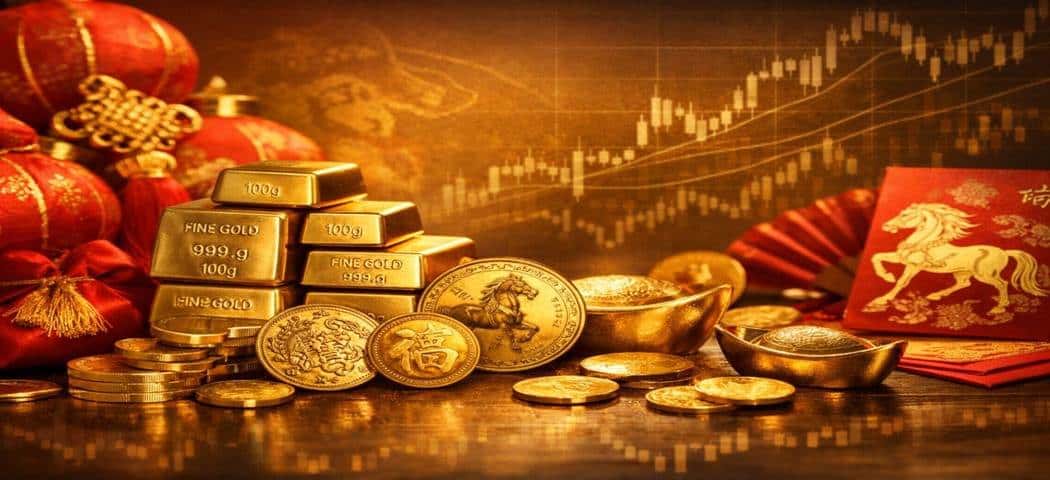
The Cultural Power Behind Seasonal Gold Demand
Each year, Chinese New Year—also known as Lunar New Year or the Spring Festival—marks one of the most significant cultural and economic periods in the world. Celebrated across China and by Chinese communities globally, the holiday extends well beyond a single day, combining tradition, symbolism, and large-scale consumer spending that has measurable effects on precious metals demand, particularly gold. As investors monitor the gold spot price and silver spot price, Chinese New Year consistently emerges as a seasonal catalyst where culture and market behavior intersect.
In 2026, Chinese New Year begins on February 17, ushering in the Year of the Horse. Beyond its festive traditions, the holiday highlights how centuries-old beliefs around wealth, prosperity, and financial security continue to influence modern purchasing behavior—reinforcing gold’s enduring role as both a cultural symbol and a trusted store of value.
What Is Chinese New Year and Why It Matters to Global Markets
Chinese New Year follows the lunar calendar, with dates shifting annually between late January and mid-February. The celebration emphasizes renewal, family unity, and optimism for the year ahead—values that naturally align with precious metals ownership. Unlike Western holidays centered around short-term consumption, Chinese New Year often prioritizes gifts with lasting financial meaning.
From an economic standpoint, Chinese New Year represents one of the largest recurring consumer spending events in the world. Gold bars, coins, and jewelry are widely exchanged as gifts, making the holiday a meaningful contributor to seasonal demand within the global precious metals market. This recurring surge in physical gold buying is closely watched by analysts tracking gold prices and broader commodity trends.
The Lantern Festival: Chinese New Year Conclusion
Chinese New Year is not a single-day event but a 15-day celebration. The holiday officially concludes with the Lantern Festival, a symbolic finale marked by illuminated lantern displays, community gatherings, and wishes for harmony and prosperity in the year ahead.
In 2026, the Lantern Festival falls on March 3, bringing the Year of the Horse celebrations to a close. From a market perspective, this extended timeline matters. Gold and silver buying does not occur all at once but builds steadily throughout the festival period. Jewelry purchases, gold gifting, and bullion buying often continue through the Lantern Festival, reinforcing sustained seasonal demand rather than a brief price spike. This multi-week buying window helps explain why Chinese New Year remains one of the most reliable cultural drivers of global gold demand.
Gold’s Cultural Role in Chinese New Year Traditions
Gold as a Symbol of Prosperity and Stability
In Chinese culture, gold has long symbolized wealth, success, and long-term security. During Chinese New Year, gifting gold is believed to pass good fortune from one generation to the next. Unlike cash or consumer goods, physical gold represents enduring value tied directly to the gold spot price, reinforcing its appeal during a season focused on prosperity and financial confidence.
This cultural association explains why gold buying often accelerates in the weeks leading up to the holiday. When broader macroeconomic uncertainty already supports higher gold prices, seasonal demand can further strengthen market sentiment.
Common Gold Gifts During Lunar New Year
Popular Chinese New Year gold gifts include:
-
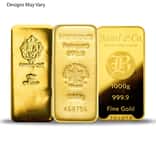
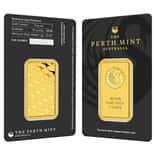
Small gold bars and ingots
-
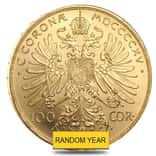
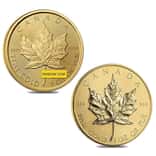
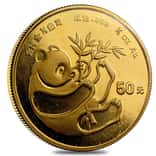
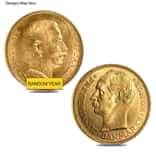
Gold coins featuring zodiac designs
-
Gold jewelry with auspicious symbols
These products combine emotional significance with tangible value, strengthening gold’s dual identity as both a meaningful gift and a financial asset.
The Role of Silver During Lunar New Year
Silver also holds cultural importance during Lunar New Year, though its symbolism differs from gold. Historically used as money in China, silver has been associated with health, balance, and protection rather than overt wealth. Silver items were traditionally believed to ward off negative energy and promote well-being.
Today, silver remains a popular option for Lunar New Year gifting, particularly through silver bullion, jewelry, and decorative pieces. As a more accessible precious metal tied to the silver spot price, silver allows broader participation in seasonal traditions while still offering intrinsic value.
How Chinese New Year Influences Gold and Silver Prices
Seasonal Buying Patterns
In the weeks before and during Chinese New Year, jewelers, retailers, and investors often increase precious metals purchases in anticipation of heightened demand. This steady accumulation can contribute to short-term price strength, especially when supply constraints, geopolitical tensions, or inflation concerns are already influencing markets.
Impact on Spot Prices
Chinese New Year does not dictate long-term pricing trends, but it frequently reinforces existing momentum. When safe-haven demand is elevated, Lunar New Year precious metals buying can support higher levels in both the gold and silver spot prices, particularly during years marked by economic uncertainty.
The 2026 Chinese New Year Market Context
The 2026 celebration arrives amid continued investor focus on inflation, sovereign debt, and global geopolitical risk—factors that have sustained interest in safe-haven assets such as gold. Central bank gold accumulation and currency volatility have further reinforced gold’s role in portfolio diversification.
The Year of the Horse traditionally symbolizes strength, energy, and forward momentum. While symbolism alone does not move markets, cultural optimism can influence consumer confidence and purchasing behavior during the holiday period.
Ancient Tradition Meets Modern Gold Investing
Despite advances in digital finance, physical gold remains central to Chinese New Year celebrations. Gold bars and coins continue to be favored for their direct exposure to the gold spot price and independence from financial intermediaries.
For modern investors, Chinese New Year demand offers context rather than a short-term trading signal. Cultural buying cycles complement—but do not replace—core fundamentals such as monetary policy, interest rates, and global liquidity conditions.
What Chinese New Year Means for Precious Metals Investors
For investors, Chinese New Year highlights a fundamental truth: gold and silver demand is not purely speculative or industrial—it is deeply cultural. This recurring demand reinforces gold’s reputation as a store of value trusted across generations and regions.
Rather than attempting to time short-term price movements, many investors view Lunar New Year demand as confirmation of gold’s enduring relevance within the global precious metals market.
When Tradition and Market Demand Align
Chinese New Year demonstrates how long-standing cultural traditions continue to influence modern financial markets. Gold and silver remain enduring symbols of trust, continuity, and financial security—qualities that transcend economic cycles. As the Year of the Horse emphasizes strength, momentum, and forward progress, it offers a timely reflection of the qualities investors often seek in precious metals. In this way, Chinese New Year serves as a powerful reminder that gold and silver derive their lasting relevance not only from market forces, but from centuries of cultural confidence and shared values.