View Charts
W Mint Mark Gold Eagles and the West Point Collector Premium
 0
0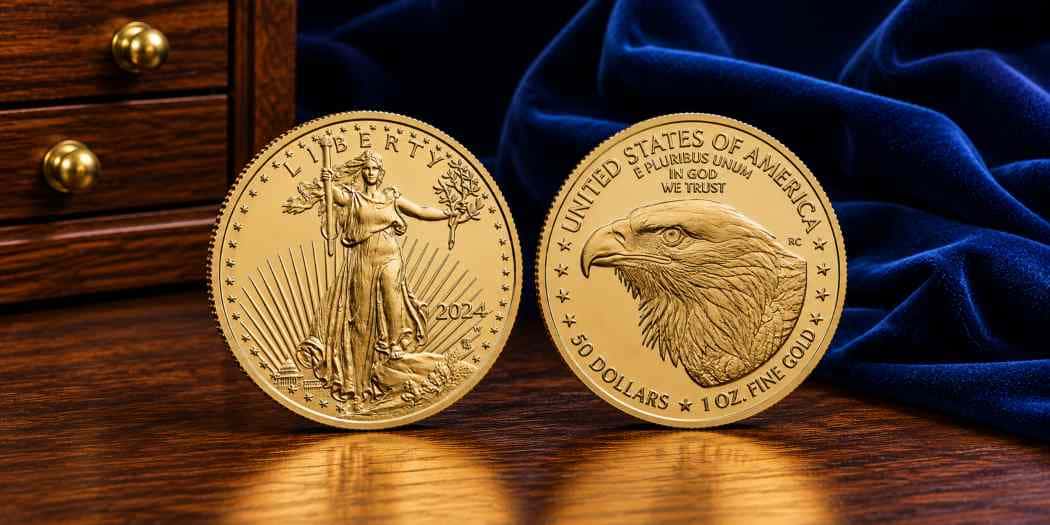
West Point Gold Eagles Blend Bullion Value With Numismatic Demand
W mint mark eagles occupy a distinct place in the modern American Gold Eagle market because they combine precious metal value, official U.S. Mint prestige, and collector-focused production. While standard bullion Gold Eagles are primarily valued for their gold content and market liquidity, West Point issues often attract additional premiums because the “W” mint mark signals a product made for collectors rather than mass bullion distribution.
That distinction matters in today’s gold market. Elevated gold spot prices continue drawing investors toward physical gold, but many buyers are also looking for coins with added numismatic appeal. Proof Gold Eagles, Burnished Gold Eagles, and other West Point collector releases offer exposure to gold while also carrying designations, finishes, packaging, and mintage structures that can support premiums above melt value.
The appeal of W mint mark eagles is not based on the mint mark alone. Premiums are shaped by grade, population data, mintage levels, finish type, year, denomination, packaging, and collector demand. Understanding how those factors interact helps buyers distinguish between ordinary bullion value and true collectible strength.
The W Mint Mark Identifies West Point Collector Production
The “W” mint mark refers to the West Point Mint, one of the most important U.S. Mint facilities for modern precious metals coinage. West Point has long been associated with American Eagle programs, gold storage, commemorative issues, and collector-quality coin production.
For Gold Eagles, the W mint mark usually appears on Proof or Burnished collector versions rather than standard bullion strikes. This is an important distinction because bullion Gold Eagles are typically sold through authorized distributors without mint marks, while collector editions are sold directly by the U.S. Mint in special formats.
The mint mark therefore acts as a quick visual signal. It tells collectors they are looking at a coin tied to West Point’s collector program rather than a regular bullion issue.
This can influence market behavior. Buyers who want low-premium gold exposure may prefer standard bullion coins. Collectors seeking enhanced presentation, limited mintage potential, and certified-grade appeal often gravitate toward W mint mark examples.
Proof Gold Eagles Carry Strong Presentation Appeal
Proof Gold Eagles are among the best-known W mint mark products because they feature polished fields, frosted design elements, and premium collector packaging. The finish is produced through a specialized minting process designed to create visual contrast and sharper presentation than regular bullion strikes.
This enhanced appearance supports collector demand. Proof coins are often purchased by collectors who value eye appeal, official packaging, and long-term set continuity. They are also popular with gift buyers and investors who want gold ownership with a more refined numismatic presentation.
Proof premiums can vary widely depending on year, denomination, mintage, and condition. A common Proof Gold Eagle may trade with a modest premium above gold content, while lower-mintage or high-grade certified examples may command stronger collector prices.
The most important point is that proof value is not automatic. The premium must be supported by demand, scarcity, and marketability. A beautiful finish helps, but long-term performance depends on how many coins were made and how many survive in top condition.
Burnished Gold Eagles Add a Different Collector Layer
Burnished Gold Eagles are another major category of West Point collector coinage. These gold coins usually feature a softer satin-like finish created with specially prepared blanks, giving them a different look from both bullion and proof issues.
Collectors often value Burnished Gold Eagles because they occupy a more specialized niche within the American Gold Eagle series. Production numbers have sometimes been lower than proof or bullion versions, which can strengthen long-term appeal when collector demand remains steady.
The burnished format also tends to attract buyers who enjoy completing specialized modern Eagle sets. Because these coins are clearly distinct from standard bullion strikes, they can become important additions for collectors focused on finish varieties, mint marks, and modern U.S. Mint subtype collecting.
However, as with proof coins, premiums depend on the individual issue. Some years are more available than others, and certified populations can influence pricing. Buyers should evaluate mintage, grade, and market demand before assuming every burnished issue carries the same upside.
Mintage Levels Help Explain Premium Differences
Mintage is one of the most important factors behind W mint mark Gold Eagle premiums. In general, lower mintages can support stronger collector demand because fewer coins are available to satisfy future buyers. However, mintage alone does not determine value.
A low-mintage coin must also have strong demand. Some issues remain overlooked despite limited production, while others command larger premiums because collectors actively pursue them for sets, registry competition, or historical significance.
West Point Gold Eagles can become especially interesting when lower mintage intersects with high gold prices, strong certified demand, or anniversary-year interest. Collectors often pay closer attention to coins that stand out within a broader series rather than those that simply contain gold.
This is where W mint mark eagles differ from standard bullion coins. A bullion Gold Eagle’s value is usually tied closely to spot gold plus a market premium. A West Point collector issue may develop a wider premium range because numismatic factors play a larger role.
Certified Grades Can Expand Collector Premiums
Professional grading has become a major driver of modern Gold Eagle premiums. PCGS and NGC certified W mint mark coins often trade differently from raw examples, especially when they receive perfect grades such as PR70, PF70, MS70, or SP70 depending on the coin type and grading service terminology.
Top-grade certified examples can appeal to registry-set collectors, investors seeking condition rarity, and buyers who want third-party authentication. Early-release labels, special inserts, and signature labels may also influence premiums, although those designations should be evaluated carefully.
Population reports are critical. If thousands of coins receive perfect grades, the premium may be more limited. If perfect-grade populations remain relatively low, competition can increase prices.
Collectors should remember that the slab does not replace the coin. Eye appeal, finish quality, originality, and series demand still matter. A certified grade can increase confidence and marketability, but long-term value depends on whether future buyers continue valuing that issue.
Bullion Value and Numismatic Value Should Be Separated
One of the most important lessons for buyers is the difference between bullion value and numismatic premium.
Bullion value is based on the gold content of the coin and the current spot price of gold. Numismatic value reflects additional collector factors such as mint mark, mintage, finish, grade, certification, packaging, and demand. W mint mark Gold Eagles contain gold like other Gold Eagles, but the collector premium can make their price behave differently from standard bullion coins.
This distinction is especially important when gold prices are high. Rising spot prices can lift the base value of all Gold Eagles, but collector premiums may expand, contract, or remain flat depending on market sentiment. A buyer paying a large premium should understand how much of the purchase price is metal value and how much is collectible value.
For investors focused purely on gold exposure, lower-premium bullion may be more efficient. For collectors seeking gold with added scarcity and presentation appeal, West Point issues can offer a more layered ownership profile.
West Point Prestige Supports Long-Term Recognition
The West Point Mint carries strong recognition in the precious metals market because of its connection to American Eagle coinage and U.S. gold production. That institutional prestige helps support interest in W mint mark issues, particularly among collectors who prefer official U.S. Mint products with clear provenance.
Modern coin collectors often respond to recognizable mint marks because they help organize collections and identify production origin. The “W” mint mark has become especially meaningful because it is associated with collector-quality precious metals rather than ordinary circulation coinage.
This recognition can strengthen liquidity. Buyers, dealers, and grading services understand the significance of West Point issues, which can make resale easier than less familiar specialty products. Still, recognition does not guarantee appreciation. Premiums must remain supported by demand and scarcity.
Anniversary and Key-Date Issues Deserve Extra Attention
Some W mint mark Gold Eagles stand out because they are tied to special anniversaries, design transitions, lower mintages, or unusual market conditions. These issues can become more desirable over time if collectors view them as important within the broader American Gold Eagle series.
Design changes can be especially meaningful. When a coin marks a transition point, a milestone year, or a temporary release structure, demand can extend beyond ordinary annual set building. Collectors often seek coins that represent turning points in U.S. Mint history.
Packaging and original government presentation can also matter. Complete sets with certificates of authenticity may appeal to collectors who value originality, while certified examples may appeal more to registry participants. Both markets can be active, but they do not always value the same features equally.
Buyers should compare raw, original packaging, and certified pricing before deciding which format best fits their goals.
W Mint Mark Eagles May Appeal to Both Investors and Collectors
The strongest appeal of W mint mark Gold Eagles is that they sit between bullion investing and modern numismatics. They contain recognized gold content, carry U.S. Mint authority, and offer collector-specific attributes that can support premiums beyond melt value.
That hybrid identity can be attractive, but it also requires careful evaluation. Buyers should consider whether they are primarily purchasing gold exposure, building a modern Gold Eagle set, pursuing certified registry coins, or seeking long-term collectible upside.
A strong purchase decision usually starts with the coin’s fundamentals: mintage, condition, finish, grade, population data, premium over spot, and market demand. The “W” mint mark adds appeal, but it works best when supported by meaningful scarcity and strong collector interest.
West Point Gold Eagles Remain a Key Modern Collecting Segment
W mint mark Gold Eagles are likely to remain important within modern U.S. coin collecting because they combine official mint prestige, gold content, collector finishes, and series continuity. Proof and Burnished Gold Eagles from West Point offer a more collectible alternative to standard bullion while still maintaining the familiarity and liquidity of the American Gold Eagle program.
For buyers, the key is understanding what premium they are paying and why. Some West Point issues may justify stronger premiums because of grade rarity, low mintage, or anniversary significance. Others may trade closer to ordinary collector gold levels.
As gold ownership remains popular and modern certified coin markets continue evolving, W mint mark eagles should remain a major focus for collectors seeking gold with added numismatic depth.
Related reading you may find interesting:
Burnished Coins Explained: Satin Finish and Collector Premiums