View Charts
Trump Gold Coin 2026: U.S. Mint Plans Explained
 0
0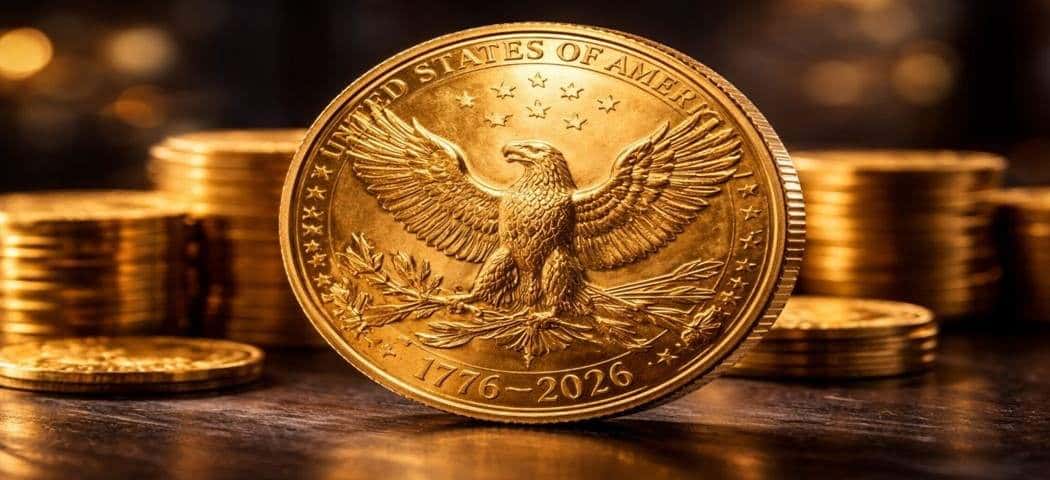
Is the Trump Gold Coin Real and What Does It Mean?
News surrounding a proposed Trump commemorative gold coin has quickly captured attention across both the numismatic and precious metals communities. As investors track movements in the gold spot price and broader bullion markets, questions are emerging: Is the U.S. Mint really producing a Trump coin, and does it impact gold investment trends in 2026?
The short answer is yes—a commemorative gold coin featuring Donald Trump has advanced through key design approval stages—but the details, implications, and limitations are important to understand. For collectors and investors alike, this development highlights the growing intersection of politics, coinage, and precious metals demand.
What Is the Trump Commemorative Gold Coin?
The proposed coin is part of the U.S. Mint’s Semiquincentennial program, celebrating America’s 250th anniversary in 2026. Unlike standard bullion products tied closely to the spot price of gold, this release is classified as a commemorative coin, designed primarily for collectors.
Key features include:
-
24-karat gold composition
-
A portrait of Donald Trump on the obverse
-
A dual date of “1776–2026”, marking the nation’s 250th anniversary
-
A bald eagle design on the reverse
-
Limited mintage tied to a historic milestone
While bullion investors often focus on liquidity and pricing relative to the gold spot prices, commemorative coins typically carry higher premiums due to their collectible appeal, symbolism, and limited issuance.
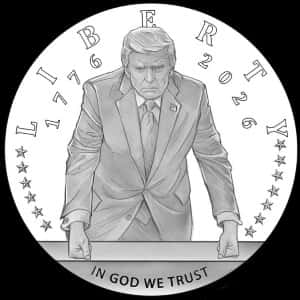
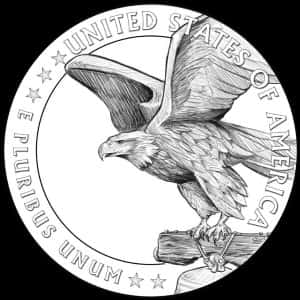
Image source: U.S. Commission of Fine Arts
Approval Status: Where the Coin Stands Now
The most significant recent development is that the U.S. Commission of Fine Arts approved the coin’s design, allowing the U.S. Mint to proceed toward production. However, several elements remain unresolved:
-
Final specifications such as weight and denomination
-
Official release timeline and pricing structure
-
Distribution details through authorized dealers
It is also notable that the current composition of the Commission of Fine Arts includes members appointed during the Trump administration, which has drawn additional scrutiny from some observers regarding the approval process. At the same time, the Citizens Coinage Advisory Committee (CCAC) was not fully aligned in its review, raising broader questions about standard procedural consistency.
While not officially confirmed, there has also been industry chatter suggesting the coin could feature an unusually large format—potentially up to 3 inches in diameter, which would make it one of the largest gold coins the U.S. Mint is currently capable of producing. If realized, such a format would significantly enhance its visual impact and collectible appeal.
What About the Proposed Trump One-Dollar Coin?
Alongside the gold commemorative coin, there has been discussion of a Trump-themed $1 coin. However, this concept remains far less certain.
Under current U.S. law, living individuals are generally prohibited from appearing on circulating currency, including dollar coins. While exceptions exist for commemorative issues, no confirmed approval has been granted for a circulating Trump one-dollar coin.
At this stage, the dollar coin remains speculative, whereas the gold commemorative has moved into a more advanced phase.
Why This Coin Is Generating Controversy
The Trump gold coin is drawing attention not only for its design, but for what it represents historically, politically, and within the long-standing traditions of U.S. coinage.
Breaking with Established U.S. Coinage Policy
U.S. coinage has traditionally avoided depicting living individuals, a principle rooted in both federal precedent and U.S. Mint policy. While not always codified as a single explicit statute, the longstanding interpretation of federal law and Treasury guidelines has consistently limited coin portraits to deceased figures. The introduction of a modern, living political figure on a gold coin represents a clear departure from this established standard, raising questions about precedent and future coin design practices.
Legal and Procedural Questions
Although commemorative coins operate under a different authorization process than circulating currency, they are still subject to review by advisory bodies such as the Citizens Coinage Advisory Committee (CCAC) and the Commission of Fine Arts (CFA). Critics argue that elements of this traditional review process were partially bypassed, prompting concern among numismatists regarding transparency and adherence to established procedures.
Symbolism and Public Perception
Supporters view the coin as a patriotic tribute aligned with America’s 250th anniversary, emphasizing its symbolic and commemorative intent. Critics, however, see it as a politically charged departure from historical norms. This divide in perception may ultimately shape collector demand, influencing both short-term interest and long-term numismatic significance.
Impact on Gold Prices and the Precious Metals Market
From a market perspective, the introduction of a Trump commemorative coin is unlikely to directly affect gold prices.
Why the Impact Is Limited
-
Commemorative coins represent small production volumes
-
Global gold pricing is driven by macroeconomic factors, not individual releases
-
Institutional demand and central bank activity outweigh collectible coin issuance
Indirect Effects
However, the coin could:
-
Increase interest in physical gold ownership
-
Drive traffic toward U.S. Mint products and authorized dealers
-
Spark broader engagement with gold investment in 2026
In this sense, the coin may influence retail demand sentiment, even if it does not shift underlying market fundamentals.
Collectible Value vs Bullion Value
For investors, it’s important to distinguish between bullion coins and commemorative issues.
-
Bullion coins (like American Gold Eagles) closely track the gold spot price
-
Commemorative coins often carry numismatic premiums based on rarity and design
The Trump gold coin will likely appeal more to:
-
Collectors seeking historical significance
-
Buyers interested in limited-edition U.S. Mint releases
Rather than those focused purely on metal weight and pricing efficiency.
A Unique Moment in Modern Coinage
The Trump commemorative gold coin represents a rare convergence of numismatics, politics, and precious metals investing. While it will not reshape the gold market or influence the silver spot price in any meaningful way, it does mark a notable departure from traditional U.S. coin design practices.
For collectors, it offers a potentially historic addition tied to the nation’s 250th anniversary. For investors, it serves as a reminder that while headlines may drive interest, long-term value in precious metals remains rooted in fundamentals like inflation, interest rates, and global demand.
As more details emerge, this coin will likely remain a focal point—not for its impact on pricing, but for its place in the evolving story of American coinage.
Related reading you may find interesting:
Is the Trump Gold Coin Legal? What Collectors Should Know
Trump Signature on U.S. Currency: What It Means for Collectors