View Charts
Trump Signature on U.S. Currency: What It Means for Collectors
 2
2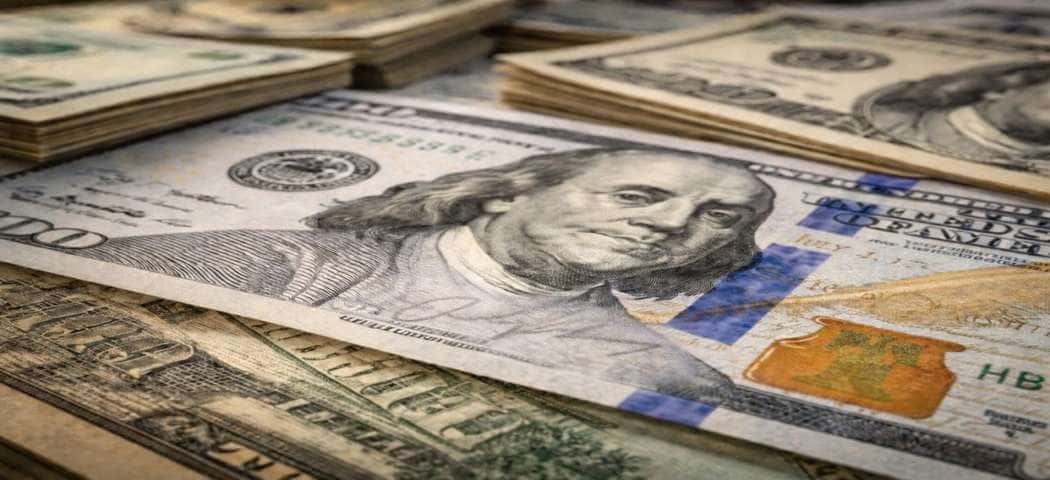
A Historic Change to U.S. Paper Money
A major shift in U.S. currency design is set to unfold in 2026, as President Donald Trump’s signature is scheduled to appear on newly issued paper money. The U.S. Treasury announced on March 26, 2026, that this update will mark a historic departure from longstanding tradition, where only the signatures of the Treasury Secretary and U.S. Treasurer have appeared on Federal Reserve notes. According to Treasury officials, the change will be implemented as part of upcoming currency updates tied to the nation’s 250th anniversary, with new notes expected to begin entering circulation in mid-2026.
As interest in tangible assets and collectible currency continues to grow alongside movements in the gold spot price and broader financial markets, this development is already generating strong attention among collectors and investors. For those tracking modern numismatic trends, the introduction of a presidential signature on circulating notes could represent a unique and potentially collectible moment in U.S. currency history.
What Is Changing on U.S. Currency?
Under the new policy, Trump’s signature will replace the traditional signature of the U.S. Treasurer on select denominations of U.S. paper money. The Treasury Secretary’s signature will remain unchanged.
The update is expected to begin with newly printed $100 bills, with production anticipated to start in mid-2026. As with all currency updates, the rollout will occur gradually, meaning older notes will continue to circulate alongside newly issued bills for years to come.
While the change does not affect the value or legality of U.S. currency, it represents a notable break from a design tradition that has remained largely unchanged for more than a century.
Why This Move Is Significant
This is the first time a sitting U.S. president’s signature will appear on circulating paper currency, making it a historically significant moment in American monetary design.
The decision is tied in part to the upcoming 250th anniversary of U.S. independence, with broader efforts underway to commemorate the milestone through currency and coinage updates.
From a collector’s perspective, any “first of its kind” change—especially one tied to a major national event—can increase interest and demand, particularly for early print runs and well-preserved notes.
Potential Impact on Currency Collectors
While this change does not directly impact precious metals prices or monetary policy, it has important implications for numismatics:
-
First-Issue Demand: Notes from the initial print run may become highly collectible
-
Uncirculated Premiums: Crisp, uncirculated examples could command higher value
-
Serial Number Appeal: Low or unique serial numbers may attract additional interest
-
Historical Significance: The first presidential signature on currency creates a unique category
Collectors often seek out transitional or first-year issues, and this development fits squarely into that category.
Separating Fact from Speculation
As news of this change spreads, it is important to distinguish confirmed developments from rumors:
-
Confirmed: Trump’s signature will appear on newly issued paper currency
-
Not confirmed: New denominations or major redesigns featuring presidential portraits
-
Not confirmed: Immediate replacement of all existing currency
The rollout will follow standard Treasury procedures, meaning the transition will take place over time rather than all at once.
How This Fits Into Broader Market Trends
The growing interest in collectible currency comes at a time when investors are increasingly focused on tangible assets. While many track movements in the silver spot price or gold markets, physical currency with unique characteristics can also hold collectible value beyond its face amount.
This trend reflects a broader shift toward diversification, where investors look beyond traditional assets to include rare coins, bullion, and now potentially modern collectible notes.
What Collectors Should Watch For in 2026
As new notes begin entering circulation, collectors should pay close attention to:
-
First-release series designations
-
Condition (uncirculated vs circulated)
-
Unique or low serial numbers
-
Early distribution timing
Being among the first to identify and secure these notes may offer long-term collectible advantages.
A New Chapter in U.S. Currency
The addition of a presidential signature to U.S. paper currency represents a rare and notable change in American financial history. While it does not alter the fundamental value of the dollar, it introduces a new dimension for collectors and enthusiasts to watch closely.
As these notes begin circulating, they may quickly become a point of interest within the numismatic community—offering a modern example of how even small design changes can create lasting historical significance.
2 Comments