View Charts
The Evolution of Coin Collecting: From Hobby to Investment Strategy
 0
0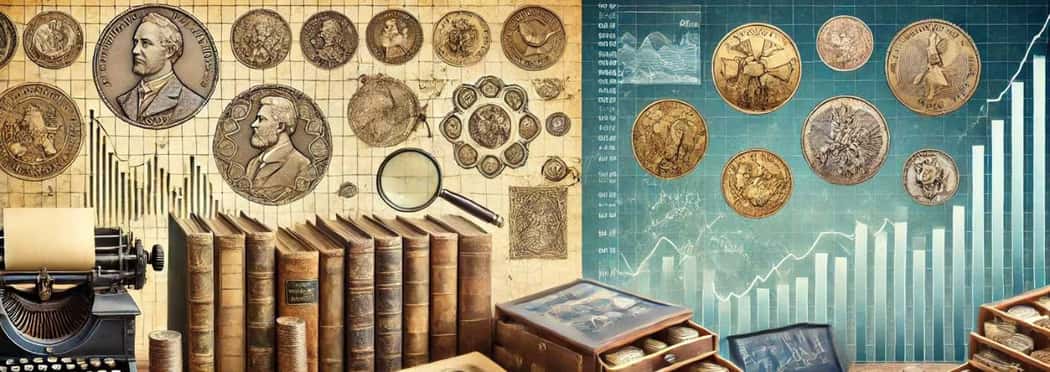
Coin collecting, often referred to as numismatics, has been a beloved hobby for centuries. What began as a simple pastime has transformed into a sophisticated investment strategy, attracting collectors and investors alike. This evolution from hobby to investment is a fascinating journey, reflecting broader economic trends, technological advancements, and shifts in consumer behavior.
The Origins of Coin Collecting
Coin collecting dates back to ancient times when coins were first used as currency. The earliest collectors were likely wealthy individuals who admired the artistry and historical significance of coins. Roman emperors, for instance, were known to collect coins from different parts of their empire as a display of power and wealth. However, it wasn't until the Renaissance that coin collecting became more widespread, particularly among European nobility. The period's intellectual curiosity and admiration for classical antiquity spurred interest in ancient coins, leading to the first numismatic studies.
Coin Collecting as a Hobby
For many years, coin collecting remained a niche hobby, primarily enjoyed by the wealthy and scholarly. However, the 19th and early 20th centuries saw a democratization of the hobby, making it accessible to a broader audience. Advances in minting technology, the production of commemorative coins, and the establishment of numismatic societies all contributed to the hobby's popularity.
During this time, coin collecting was driven more by passion than profit. Collectors sought out coins for their historical value, rarity, and aesthetic appeal. The idea of collecting coins as an investment was not as prevalent, as the primary motivation was personal enjoyment and the thrill of discovery.
The Shift Toward Investment
The latter half of the 20th century marked a significant shift in the world of coin collecting. Economic factors, such as inflation and currency devaluation, led many to seek alternative forms of investment. Gold and silver coins, in particular, became attractive assets due to their intrinsic value and historical stability as stores of wealth.
Coin collecting began to merge with investment strategies, as collectors realized that certain coins could appreciate in value over time. Rare coins, especially those in excellent condition or with historical significance, started fetching high prices at auctions and private sales. The advent of coin grading services, such as the Professional Coin Grading Service (PCGS) and the Numismatic Guaranty Corporation (NGC), further solidified the investment potential of coins. These services provided standardized evaluations of a coin's condition, making it easier for buyers and sellers to agree on value.
The Modern Coin Market
Today, coin collecting is a thriving global market, attracting both hobbyists and serious investors. The internet has played a crucial role in this evolution, providing collectors with access to a vast array of coins from around the world. Online marketplaces, auction sites, and forums have made it easier than ever to buy, sell, and trade coins, further blurring the lines between collecting and investing.
One of the most significant developments in modern coin collecting is the emphasis on portfolio diversification. Just as investors diversify their holdings across stocks, bonds, and real estate, many now include rare coins in their portfolios. Coins offer several advantages as an investment:
-
Tangible Asset: Unlike stocks or digital assets, coins are physical objects that can be held, displayed, and passed down through generations.
-
Historical and Cultural Value: Coins often carry historical significance, making them appealing to collectors who value the story behind each piece.
-
Limited Supply: Rare coins are, by definition, in limited supply. As demand increases, their value can appreciate significantly.
-
Hedge Against Inflation: Coins made from precious metals like gold and silver have historically been a hedge against inflation and economic uncertainty.
Key Considerations for Coin Investors
While the potential for profit is enticing, investing in coins requires careful consideration. Here are some key factors to keep in mind:
-
Authenticity: Ensure that any coin you purchase is authentic. Work with reputable dealers and consider coins that have been graded by professional services.
-
Condition: The condition of a coin, often referred to as its "grade," plays a significant role in its value. Coins in mint condition (uncirculated) are generally worth more than those that have been circulated.
-
Rarity: The rarity of a coin is one of the most critical factors in determining its value. Coins with low mintage numbers or those that were produced for a short period are often more valuable.
-
Market Trends: Like any investment, the value of coins can fluctuate based on market conditions. Stay informed about trends in the numismatic market and broader economic factors that could impact the value of your collection.
-
Long-Term Perspective: Coin collecting as an investment is often best approached with a long-term perspective. While some coins may appreciate quickly, others may take years or even decades to reach their full potential value.
Conclusion: The Future of Coin Collecting
The evolution of coin collecting from a simple hobby to a sophisticated investment strategy is a testament to the enduring appeal of these small, yet significant pieces of history. As technology continues to advance and global markets evolve, the world of coin collecting is likely to become even more dynamic and accessible.
For both collectors and investors, the key to success lies in education, patience, and a genuine passion for the art and history of coinage. Whether you're just starting your collection or looking to invest in rare coins, the world of numismatics offers a rich and rewarding experience that combines history, culture, and financial opportunity.
Bullion Exchanges is here to guide you through this exciting journey, offering expert advice, a wide selection of coins, and a commitment to helping you make informed decisions that align with your goals.