View Charts
Understanding the Tax Implications of Buying and Selling Precious Metals
 2
2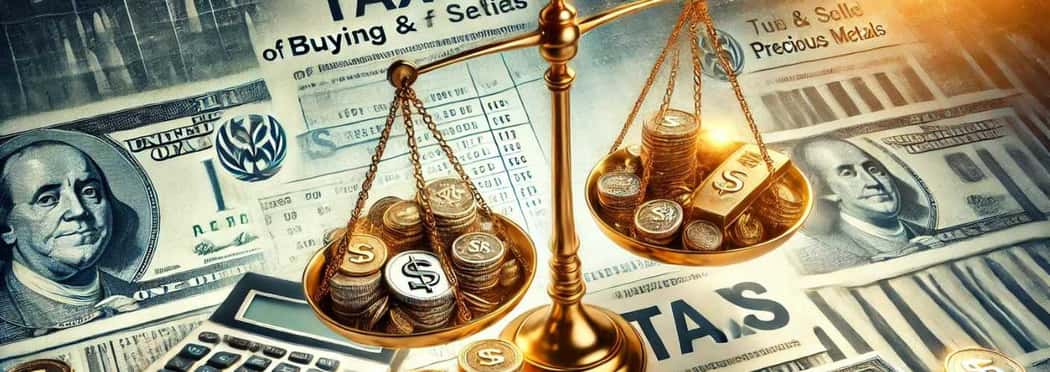
Precious metals such as gold, silver, platinum, and palladium have long been considered valuable assets, often used as a hedge against inflation and economic uncertainty. However, when buying and selling these metals, it is crucial to understand the tax implications to avoid unexpected liabilities. This guide will explore the key tax considerations associated with precious metals, helping you navigate the complexities of tax reporting and compliance.
1. Precious Metals as Capital Assets
In the eyes of the Internal Revenue Service (IRS), precious metals are classified as capital assets, similar to stocks, bonds, and real estate. This classification means that when you sell precious metals, any profit you make is considered a capital gain and is subject to capital gains tax. The tax rate applied to these gains depends on the holding period and your income bracket.
- Short-Term vs. Long-Term Capital Gains:
- If you hold the precious metals for one year or less before selling, the profits are considered short-term capital gains. These are taxed at your ordinary income tax rate, which can range from 10% to 37% depending on your income level.
- If you hold the precious metals for more than one year, the profits are considered long-term capital gains. Long-term capital gains on collectibles, including precious metals, are taxed at a maximum rate of 28%. However, depending on your income, you may pay a lower rate.
2. Cost Basis and Record-Keeping
Understanding your cost basis is essential when calculating capital gains. The cost basis is the original value of the precious metals, including any costs associated with purchasing them, such as dealer fees, premiums, and shipping costs.
- Accurate Record-Keeping:
- To determine your capital gains accurately, you must keep detailed records of your precious metals transactions. This includes the purchase price, the date of acquisition, any additional costs, and the sale price. Proper documentation is crucial for calculating your tax liability and for supporting your claims if the IRS audits you.
3. Reporting Sales of Precious Metals
When you sell precious metals, you are required to report the transaction on your tax return. The specific form you use depends on the nature of the sale and your tax situation.
- IRS Form 1099-B:
- Dealers are required to issue Form 1099-B to the IRS and the seller if the sale meets certain conditions, such as the sale of a specific quantity of metals or a transaction above a certain dollar amount. The form reports the gross proceeds from the sale.
- However, even if you do not receive a Form 1099-B, you are still responsible for reporting the sale on your tax return.
4. Like-Kind Exchanges and Tax Deferrals
Historically, investors could use like-kind exchanges under Section 1031 of the Internal Revenue Code to defer capital gains taxes by exchanging one precious metal for another. However, the Tax Cuts and Jobs Act of 2017 limited like-kind exchanges to real estate transactions only. This change means that exchanging one precious metal for another is now considered a taxable event, and you must report any gains or losses.
5. Collectibles and the 28% Tax Rate
Precious metals are classified as collectibles by the IRS, which means they are subject to a higher maximum capital gains tax rate of 28%. This rate applies to long-term capital gains on the sale of collectibles, including coins, bullion, and other forms of precious metals.
- Comparison to Other Investments:
- The 28% maximum rate is higher than the typical long-term capital gains tax rates applied to other investments, such as stocks and bonds, which are capped at 20%. This distinction is important for investors to consider when planning their investment strategy and assessing potential tax liabilities.
6. Sales Tax on Precious Metals Purchases
In addition to federal taxes, some states impose sales tax on the purchase of precious metals. The application of sales tax varies widely depending on the state and the specific type of precious metal.
- State Exemptions:
- Many states have exemptions for the sale of precious metals, especially if the purchase meets a minimum threshold. For example, some states exempt purchases of bullion if the transaction exceeds a certain dollar amount, while others may exempt all precious metal purchases from sales tax. It's important to check the regulations in your state to understand whether sales tax applies to your purchases.
7. Estate Tax Considerations
Precious metals are considered part of your estate and may be subject to estate tax upon your death. The fair market value of the metals at the time of death is included in the gross estate and may be subject to federal estate tax if the total value of the estate exceeds the federal estate tax exemption limit.
- Estate Planning:
- To minimize the tax impact on your heirs, consider incorporating precious metals into your overall estate planning strategy. Trusts, gifting, and other estate planning tools can help reduce the taxable value of your estate and ensure a smoother transfer of assets to your beneficiaries.
8. Tax Advantages of Holding Precious Metals in an IRA
One way to potentially defer taxes on precious metals is by holding them in a self-directed Individual Retirement Account (IRA). Precious metals IRAs allow you to invest in physical gold, silver, platinum, and palladium while deferring taxes on any gains until you begin taking distributions in retirement.
- Rules and Regulations:
- To qualify for a precious metals IRA, the metals must meet specific purity standards set by the IRS. Additionally, the metals must be stored in an approved depository, and you cannot take physical possession of them until you take a distribution.
Conclusion
Understanding the tax implications of buying and selling precious metals is essential for maximizing your investment returns and ensuring compliance with IRS regulations. Whether you are a seasoned investor or just starting, being aware of the tax considerations can help you make informed decisions and avoid potential pitfalls. Always consider consulting with a tax professional or financial advisor to tailor your strategy to your specific situation and stay on top of any changes in tax laws that may affect your investments in precious metals.
2 Comments