View Charts
Why Coin Grading Matters for Collectors and Investors
 0
0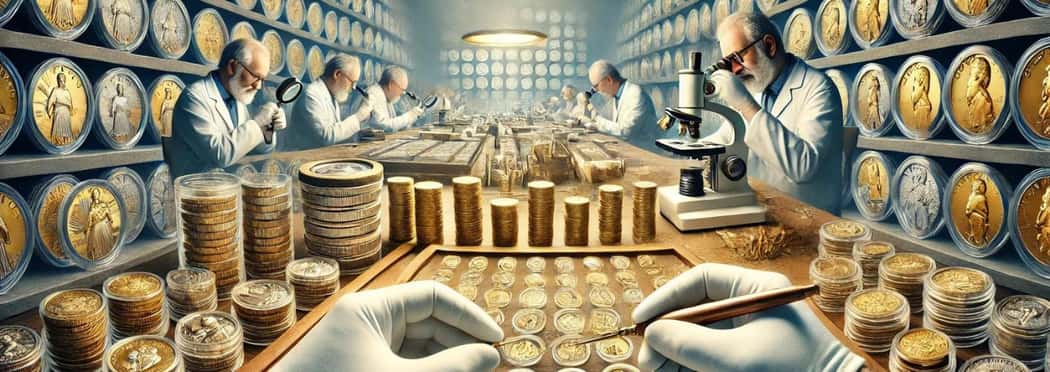
Coin grading is a crucial aspect of numismatics, the study or collection of currency, including coins, tokens, paper money, and related objects. Whether you're a seasoned collector or an investor looking to diversify your portfolio, understanding the importance of coin grading is essential. It not only influences the value and authenticity of coins but also impacts the long-term financial security of your investment. This article delves into the reasons why coin grading matters and how it can benefit both collectors and investors.
What is Coin Grading?
Coin grading is the process of determining the condition or quality of a coin. It involves a detailed examination of a coin's physical characteristics, such as its luster, strike, surface preservation, and overall appearance. The result of this examination is a grade, usually represented on a scale from 1 to 70, with 1 indicating a heavily worn coin and 70 representing a perfect, mint-condition coin.
Professional coin grading is typically conducted by recognized organizations like the Numismatic Guaranty Corporation (NGC) and the Professional Coin Grading Service (PCGS). These organizations employ expert numismatists who use standardized criteria to assess and grade coins, providing a reliable and consistent measure of a coin's quality.
The Impact of Coin Grading on Value
One of the primary reasons coin grading is important is its significant impact on a coin's value. The grade assigned to a coin can greatly influence its market price. For example, a common coin in poor condition may be worth only a few dollars, while the same coin in mint condition could be valued at thousands of dollars.
Grading provides a standardized way to determine the value of a coin. This is especially important in the marketplace, where buyers and sellers need a common reference point to agree on a coin's worth. A coin graded by a reputable organization is likely to fetch a higher price than an ungraded or poorly graded coin, as the grade provides assurance of the coin's condition and authenticity.
Enhancing Trust and Confidence in Transactions
For both collectors and investors, trust is a vital component of any transaction. Coin grading helps build this trust by providing an objective assessment of a coin's condition. When a coin is graded by a professional service, it is encapsulated in a tamper-evident holder, often referred to as a "slab." This holder displays the coin's grade, along with other relevant information such as the coin's year, mintmark, and any unique characteristics.
This encapsulation not only protects the coin from physical damage but also ensures that the grade remains intact. For buyers, this provides confidence that they are purchasing a coin that has been accurately assessed. For sellers, it increases the likelihood of achieving a fair market price.
Coin Grading as a Safeguard Against Counterfeits
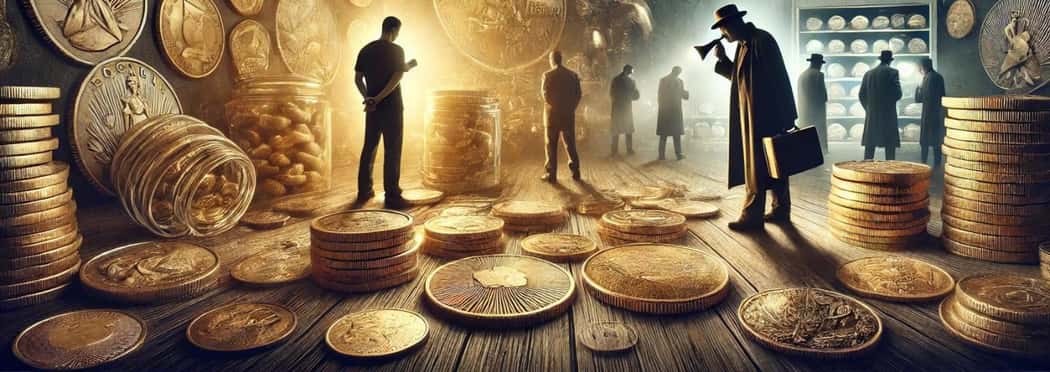
The numismatic market, like any other valuable market, is susceptible to counterfeiting. Unscrupulous individuals may attempt to pass off fake or altered coins as genuine, which can lead to significant financial losses for buyers. Professional coin grading acts as a safeguard against such fraud.
Reputable grading services employ advanced technology and expert knowledge to detect counterfeit coins. They examine every aspect of a coin, from its weight and dimensions to its metal composition and design details. If a coin is found to be a fake, it is not graded, and the buyer is informed of its inauthenticity.
This protection is invaluable, particularly when dealing with rare or high-value coins, where the risk of counterfeiting is higher. For collectors and investors, knowing that a coin has been authenticated by a trusted grading service provides peace of mind.
Long-Term Investment Security
For investors, coin grading offers an additional layer of security. Coins are a form of tangible asset, and like any investment, their value can fluctuate over time. However, graded coins tend to hold their value better than ungraded coins, especially in times of economic uncertainty.
The grade assigned to a coin is a permanent record of its condition at the time of grading. As long as the coin is preserved in its slab, its grade and, consequently, its value are protected. This stability makes graded coins an attractive option for investors looking for a reliable store of value.
Moreover, because graded coins are easier to buy and sell, they offer greater liquidity than ungraded coins. Investors can quickly and confidently sell their graded coins in the market, knowing that the grade provides a clear indicator of value to potential buyers.
Building a High-Quality Collection
For collectors, coin grading is an essential tool for building a high-quality collection. Graded coins are easier to categorize, compare, and display, allowing collectors to curate their collections with precision. A well-graded collection is not only more aesthetically pleasing but also more valuable, as each coin's condition is clearly documented.
Additionally, collecting graded coins helps preserve the historical and cultural significance of the coins. By ensuring that coins are accurately graded and protected, collectors can contribute to the preservation of numismatic history for future generations.
Conclusion
Coin grading is far more than just a number on a scale; it is a fundamental aspect of numismatics that affects value, authenticity, and marketability. For collectors, it offers a way to build and protect a valuable collection. For investors, it provides a secure and reliable way to invest in tangible assets. Whether you are buying, selling, or simply collecting, understanding the importance of coin grading is crucial to making informed and confident decisions in the world of precious metals and rare coins.