View Charts
The Correlation Between Inflation and Precious Metals
 0
0
Inflation is an economic phenomenon that affects the purchasing power of money, causing prices of goods and services to rise over time. As inflation increases, the value of currency diminishes, leading investors to seek assets that can preserve wealth and hedge against the declining value of money. Precious metals such as gold, silver, platinum, and palladium have long been considered reliable hedges against inflation. This article explores the correlation between inflation and precious metals, examining historical trends, the underlying reasons for this relationship, and how investors can benefit from including precious metals in their portfolios.
Understanding Inflation
Inflation occurs when there is a general increase in the price level of goods and services in an economy over a period. It is typically measured by the Consumer Price Index (CPI) or the Producer Price Index (PPI). Several factors can cause inflation, including:
- Demand-Pull Inflation: This occurs when the demand for goods and services exceeds supply, leading to higher prices.
- Cost-Push Inflation: This happens when the costs of production increase, causing producers to raise prices to maintain profit margins.
- Monetary Inflation: This results from an increase in the money supply, often due to central banks printing more money or lowering interest rates.
Inflation erodes the purchasing power of money, meaning that over time, a given amount of money will buy fewer goods and services. This effect can significantly impact savings and investments, prompting investors to seek inflation-resistant assets.
Historical Correlation Between Inflation and Precious Metals
Precious metals have historically been viewed as safe-haven assets during periods of economic uncertainty and inflation. Their intrinsic value, scarcity, and universal acceptance make them attractive to investors looking to preserve wealth. Here are some historical examples that illustrate the correlation between inflation and precious metals:
The 1970s Inflation Surge
The 1970s was a decade marked by high inflation in the United States, driven by oil price shocks, increased government spending, and monetary expansion. During this period, the price of gold soared from around $35 per ounce in 1971, when President Nixon ended the gold standard, to nearly $850 per ounce by 1980. Silver also experienced significant gains, reaching a peak of $50 per ounce in 1980. Investors flocked to precious metals to protect their wealth from the eroding effects of inflation.
The 2008 Financial Crisis
The 2008 financial crisis led to significant economic turmoil and fears of inflation due to massive monetary stimulus measures by central banks worldwide. In the years following the crisis, the price of gold increased from approximately $800 per ounce in 2008 to over $1,900 per ounce in 2011. Silver, platinum, and palladium also saw substantial price increases during this period. The demand for precious metals surged as investors sought safe-haven assets amidst economic uncertainty.
Recent Trends
In recent years, inflation concerns have resurfaced due to unprecedented levels of government spending and monetary stimulus in response to the COVID-19 pandemic. As inflation fears grew, the prices of precious metals, particularly gold and silver, experienced significant upward trends. Gold reached an all-time high of over $2,000 per ounce in 2020, while silver saw substantial gains as well. These trends highlight the ongoing relevance of precious metals as hedges against inflation.
Why Precious Metals Hedge Against Inflation
Several factors contribute to the effectiveness of precious metals as hedges against inflation:
Intrinsic Value
Precious metals have intrinsic value due to their physical properties, rarity, and historical significance. Unlike fiat currencies, which can be printed in unlimited quantities, precious metals have a finite supply. This scarcity helps preserve their value over time, making them reliable stores of wealth.
Universal Acceptance
Precious metals are universally recognized and accepted as valuable assets. Throughout history, they have been used as money and symbols of wealth. This widespread acceptance ensures that precious metals retain their value across different cultures and economic systems.
Diversification
Including precious metals in an investment portfolio provides diversification, reducing overall risk. Precious metals often have low or negative correlations with traditional financial assets such as stocks and bonds. During periods of inflation or economic uncertainty, the prices of financial assets may decline, while precious metals tend to appreciate, offsetting potential losses.
Protection Against Currency Depreciation
As inflation erodes the purchasing power of fiat currencies, precious metals tend to appreciate in value. This inverse relationship helps protect investors from the adverse effects of currency depreciation. For example, when the value of the US dollar declines, the price of gold typically rises, preserving the investor's purchasing power.
Investing in Precious Metals
There are several ways to invest in precious metals to hedge against inflation:
Physical Bullion
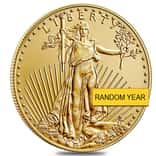
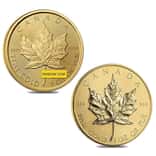
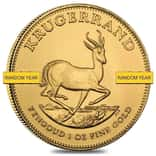
Investors can purchase physical bullion in the form of coins, bars, or rounds. Physical bullion provides direct ownership of precious metals and can be stored securely in a home safe or a professional storage facility. Popular options include gold and silver coins such as the American Gold Eagle, Canadian Gold Maple Leaf, and South African Krugerrand.
Exchange-Traded Funds (ETFs)
Precious metal ETFs provide a convenient way to gain exposure to precious metals without the need for physical storage. ETFs track the price of the underlying metal and can be bought and sold on stock exchanges. Examples include the SPDR Gold Shares (GLD) and the iShares Silver Trust (SLV).
Mining Stocks
Investing in mining companies that produce precious metals is another way to gain exposure to the sector. Mining stocks can offer leveraged exposure to precious metals prices, as the profitability of mining companies is directly linked to the price of the metals they produce. However, mining stocks also carry additional risks related to the operational and financial performance of the companies.
Futures and Options
Futures and options contracts provide a way to speculate on the price movements of precious metals. These financial instruments are more complex and suitable for experienced investors. Futures and options allow for leveraged positions, which can amplify gains but also increase the risk of losses.
Conclusion
The correlation between inflation and precious metals is well-established, with historical examples demonstrating the effectiveness of precious metals as hedges against inflation. Their intrinsic value, universal acceptance, and ability to diversify investment portfolios make them valuable assets in times of economic uncertainty. As inflation concerns continue to loom, investors should consider including precious metals in their portfolios to protect their wealth and preserve purchasing power. Whether through physical bullion, ETFs, mining stocks, or futures contracts, precious metals offer a reliable hedge against the eroding effects of inflation.