View Charts
The Impact of Rising Inflation on Gold and Silver Prices in 2024
 0
0
As the global economy grapples with persistent inflation, investors are increasingly turning to precious metals like gold and silver to safeguard their wealth. These metals have historically been viewed as reliable hedges against inflation, and understanding their dynamics in the current economic climate is crucial. This article explores the impact of rising inflation on gold and silver prices in 2024, offering insights into market predictions and investment strategies.
Current Economic Trends
Inflation rates have surged globally over the past few years, fueled by various factors including supply chain disruptions, increased government spending, and the ongoing economic recovery from the COVID-19 pandemic. As of 2024, central banks around the world are grappling with high inflation rates, leading to significant impacts on financial markets.
Recent data indicates that inflation rates in the United States, the Eurozone, and other major economies remain elevated. The U.S. Federal Reserve, the European Central Bank (ECB), and other central banks are navigating the delicate balance between curbing inflation and fostering economic growth. These efforts are reflected in interest rate adjustments and monetary policy decisions, which have direct implications for the prices of precious metals.
Historical Perspective
To understand the potential impact of inflation on gold and silver prices in 2024, it is essential to examine historical trends. Throughout history, periods of high inflation have often coincided with rising prices for gold and silver. These metals are perceived as stores of value, maintaining their purchasing power even when fiat currencies lose value due to inflation.
For instance, during the 1970s, the United States experienced a significant inflationary period. The Consumer Price Index (CPI) soared, leading to substantial increases in gold and silver prices. Gold, which was valued at around $35 per ounce at the decade's start, surged to over $800 per ounce by 1980. Similarly, silver prices surged from approximately $1.50 per ounce to nearly $50 per ounce in the same period.
These historical examples highlight the strong correlation between inflation and precious metals prices. Investors who held gold and silver during these inflationary times were able to preserve their wealth and even achieve substantial gains.
Gold and Silver as Inflation Hedges
Gold and silver are often considered safe-haven assets, particularly during periods of economic uncertainty and high inflation. These metals possess intrinsic value and are not subject to the same inflationary pressures as fiat currencies. This makes them appealing to investors aiming to safeguard their purchasing power.
Several factors contribute to gold and silver’s effectiveness as inflation hedges:
-
Limited Supply: Unlike fiat currencies, which can be printed in unlimited quantities by central banks, the supply of gold and silver is finite. This limited supply helps preserve their value over time.
-
Intrinsic Value: For thousands of years, gold and silver have been utilized as forms of money and stores of value. Their intrinsic value is recognized globally, providing a sense of security to investors.
-
Diversification: Incorporating gold and silver into an investment portfolio can offer diversification benefits. These metals often perform well when other asset classes, such as stocks and bonds, struggle during inflationary periods.
Market Predictions for 2024
Looking ahead to 2024, several experts and analysts have weighed in on the potential trajectory of gold and silver prices in the context of rising inflation. While predictions vary, the general consensus is that both metals are likely to experience upward pressure as inflation remains a dominant economic concern.
Gold: Analysts predict that gold prices could see significant gains in 2024. Factors contributing to this bullish outlook include continued inflationary pressures, geopolitical uncertainties, and potential shifts in central bank policies. As investors seek safe-haven assets, gold’s role as a store of value is expected to drive demand.
Silver: Silver is also poised for potential price increases. Besides serving as a hedge against inflation, silver also gains value from its industrial applications. As the global economy continues to recover, demand for silver in industries such as electronics, solar energy, and automotive manufacturing is likely to rise. Silver's dual function as both a precious metal and an industrial metal makes it more appealing to investors.
While precise price forecasts can be challenging, the general sentiment is positive for both gold and silver. Investors should monitor economic indicators and central bank actions closely to navigate potential market fluctuations.
Investment Strategies
For investors looking to capitalize on the potential rise in gold and silver prices, several strategies can be considered:
-
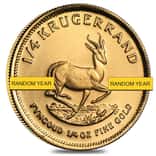
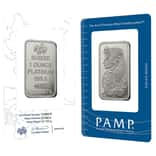
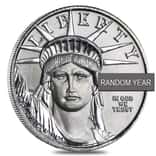
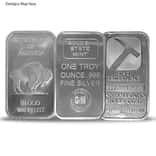
Physical Bullion: Investing in physical gold and silver bullion, such as coins and bars, is a popular strategy. This approach allows investors to directly own tangible assets that can be stored securely. Physical bullion offers a sense of security and can be easily liquidated when necessary.
-
Exchange-Traded Funds (ETFs): Gold and silver ETFs offer a convenient way to invest in precious metals without the need for physical storage. These funds track the price of the metals and can be bought and sold on stock exchanges. ETFs provide liquidity and diversification within a portfolio.
-
Mining Stocks: Investing in mining companies that produce gold and silver is another option. Mining stocks can provide leveraged exposure to metal prices. However, this strategy comes with added risks tied to the operational performance of the mining companies.
-
Futures and Options: For seasoned investors, futures and options contracts present opportunities to speculate on the future prices of gold and silver. These financial instruments can offer significant returns but also come with higher risks.
-
Diversification: Diversifying investments across different asset classes, including precious metals, stocks, bonds, and real estate, can help mitigate risks. A well-balanced portfolio can provide stability and growth potential in varying economic conditions.
Conclusion
As inflation continues to be a pressing economic issue in 2024, gold and silver remain attractive investment options for those seeking to preserve and grow their wealth. Historical trends demonstrate the effectiveness of these precious metals as hedges against inflation, and current market predictions suggest potential price increases.
Investors should stay informed about global economic developments and central bank policies to make strategic investment decisions. By adopting a diversified approach and considering various investment strategies, individuals can position themselves to benefit from the potential rise in gold and silver prices amid rising inflation.
For those looking to navigate the precious metals market, it is essential to remain vigilant and adaptable. With the right knowledge and strategies, investors can harness the enduring value of gold and silver to secure their financial futures in an inflationary environment.