View Charts
Spot Price vs. Premium: What Precious Metals Buyers Must Know
 0
0
What Are Precious Metals Premiums?
When purchasing gold, silver, platinum, or palladium, you’re paying more than just the metal’s raw value. You’re paying the spot price - the real-time market rate for one troy ounce of a given precious metal - plus a premium, which covers minting costs, dealer margins, supply-demand dynamics, and logistical overhead.
Premiums fluctuate widely based on market volatility, product type, and global economic conditions. In 2025, with inflation still a driving concern and geopolitical risks affecting supply chains, understanding the relationship between spot prices and premiums is more important than ever for anyone investing in physical bullion.
Why Do Premiums Exist?
Premiums cover more than just dealer profit. They account for:
-
Refining and fabrication costs: Turning raw metal into coins or bars requires labor, machinery, and minting expertise.
-
Packaging and insurance: Most bullion is delivered in tamper-evident packaging with full insurance protection.
-
Distribution and logistics: Mints and dealers must ship, store, and manage bullion in high-security facilities.
-
Dealer overhead and risk: Dealers must maintain inventory and hedge against price changes.
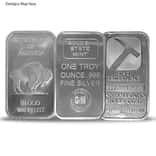
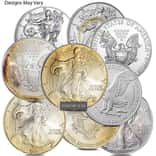
For example, a newly minted 1 oz American Gold Eagle may carry a premium of $100–$200 over spot, while a generic secondary market gold bar might be closer to $40–$70 over spot. These differences are due to brand reputation, collectibility, and market demand.
How Do Tariffs Affect Premiums?
In 2025, international tariffs are once again playing a significant role in premium pricing. Trade tensions between the U.S. and several major economies - including China, Turkey, and the EU - have resulted in higher import duties on refined gold and silver products.
When tariffs increase:
-
Dealer acquisition costs rise, pushing premiums up.
-
Domestic mint products become more competitive, sometimes attracting higher premiums due to lower relative supply.
-
Supply chain disruptions affect availability and delivery times, leading to surging demand and elevated premiums.
For investors, this means that government policies can directly influence the final price you pay for precious metals - regardless of what the spot price shows.
A Historical Look at Premiums
Premiums have never been static. Historically, they spike during moments of economic stress or supply constraints:
-
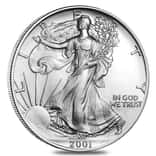
2008 Financial Crisis: Silver Eagles traded at 40%+ premiums due to retail shortages.
-
2020 Pandemic: With U.S. Mint shutdowns and supply chain chaos, premiums soared again - some over 50% for silver coins.
-
2023–2024: Ongoing inflation and banking instability drove high demand for physical metals, sustaining elevated premiums across most bullion products.
In calmer periods, premiums tend to normalize - especially for high-volume products like gold bars or rounds.
Premiums vs. Dealer Spread
While premiums represent what you pay above spot when buying, the dealer spread is the difference between the buy and sell prices offered by a dealer. For instance:
-
If you buy a gold coin for $2,000 with a spot price of $1,950, the $50 is your premium.
-
When selling, if the dealer offers you $1,930, the $20 difference from spot is the spread.
Understanding both metrics helps investors accurately assess their breakeven points and expected return potential.
Premiums and Collectible Coins
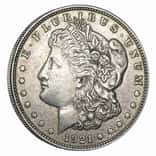
Collectible coins - such as graded Morgan Dollars or limited-edition commemoratives - often carry much higher premiums. These are based not just on metal content, but:
-
Mintage rarity
-
Condition and grading
-
Historical significance
-
Collector demand
While these coins may appreciate significantly over time, they also have less liquidity and can carry greater volatility in premium pricing.
The Role of Market Sentiment in Premium Fluctuation
Premiums aren't solely dictated by supply and cost. Investor psychology plays a key role. When fear enters the market:
-
Buyers rush to purchase physical metals, creating demand surges.
-
Dealers limit inventory or raise premiums to slow buying.
-
Speculators and collectors compete for limited mintage coins.
This dynamic can temporarily detach premiums from actual metal scarcity - emphasizing the importance of timing your purchases.
Tips for Managing Premiums as an Investor
-
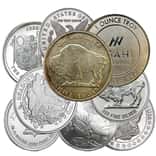
Buy low-premium products when stacking for weight (e.g., 1 oz gold bars, junk silver, or generic rounds).
-
Use price comparison tools like Bullion Hunters to find the best dealer offers.
-
Track historical premiums to recognize when market fear is driving prices, rather than metal fundamentals.
-
Balance your portfolio with both high-liquidity bullion and select premium collectibles if desired.
Spot Price Isn’t the Whole Story
As market dynamics evolve, premiums will remain a key factor in all precious metals transactions. They reflect not only costs and logistics, but also global politics, economic uncertainty, and investor sentiment. Tariffs and import restrictions are adding further layers to this already complex equation.
For savvy stackers and serious investors, understanding premiums is an essential tool for maximizing value. Whether you’re seeking the lowest price-per-ounce for your bullion or hunting collectible rarities, factoring in premiums and knowing how to reduce them can help you stack smarter, stay ahead of market swings, and make informed decisions in today’s precious metals landscape.