View Charts
Silver Surges Past $43: What This Means for Investors
 0
0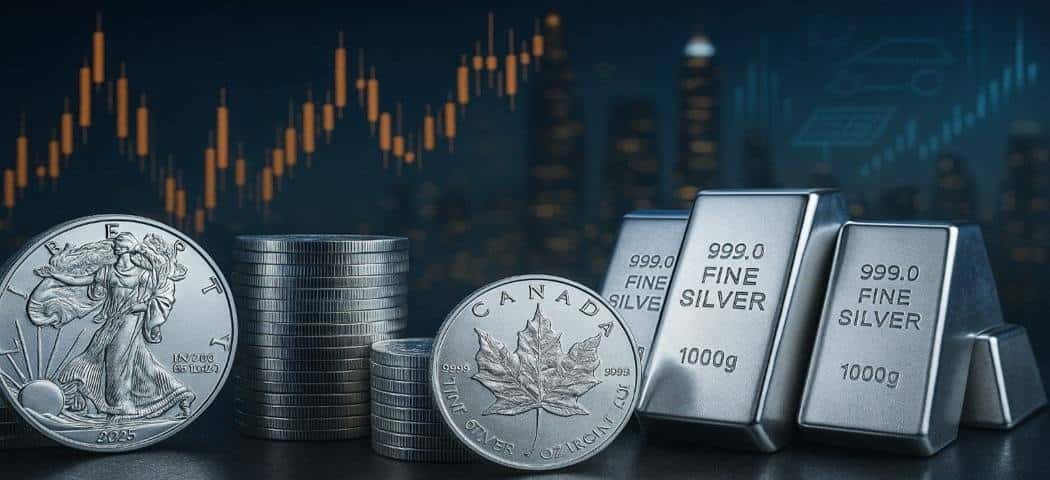
Silver’s Remarkable Climb in 2025
Silver has stormed back into the spotlight in 2025, now trading above $43 per ounce, marking its highest level in more than 14 years. Today alone, prices jumped more than a dollar, sending waves of excitement across the precious metals market. This rally underscores silver’s dual role as both a safe-haven asset and an indispensable industrial metal, making it a unique player in today’s volatile global economy. For investors, the real question is simple: is this a signal to buy, sell, or hold?
Why Silver Prices Are Climbing Now
Several factors have converged to propel silver higher. Inflation remains sticky, despite the Federal Reserve’s recent rate cuts aimed at stabilizing the economy. Meanwhile, the U.S. dollar has strengthened in the short term, but investor demand for hard assets continues to counterbalance currency pressures. Geopolitical instability, supply chain concerns, and strong central bank buying of precious metals have all reinforced silver’s momentum.
On top of these macroeconomic drivers, silver’s industrial demand is surging. The metal is a critical component in solar panels, electric vehicle batteries, and electronics — sectors experiencing rapid global growth. With supply remaining constrained, upward price pressure is mounting.
Historical Context: Lessons From Past Silver Surges
Silver’s current rally carries echoes of its most dramatic moments in modern history. Each surge has occurred during times when monetary stability was in doubt, inflationary pressures were mounting, or investors turned urgently to safe-haven assets — dynamics that feel strikingly familiar in 2025.
-
1980 spike: Amid runaway inflation and speculative pressure from the Hunt brothers, silver briefly hit just under $50 per ounce. With inflation still lingering in 2025, comparisons to that era are resurfacing.
-
2011 surge: Following the global financial crisis and widespread quantitative easing, silver again approached $50. Today’s dovish Fed stance and renewed monetary easing bring back memories of that cycle.
-
2020 pandemic rally: During the COVID-19 crisis, fears of economic collapse and unprecedented stimulus drove silver sharply higher. The current mix of global uncertainty and government spending has created similar safe-haven demand.
These episodes highlight a recurring truth: silver often moves explosively when confidence in monetary policy falters and demand overwhelms supply. By breaking through the $43 mark in 2025, silver has entered territory not seen since those landmark rallies, sparking speculation that $50 could once again be within reach. Adjusted for inflation, those historic highs would translate to well over $100 today — suggesting that silver’s current levels may still be undervalued compared to its long-term purchasing power.
Investor Psychology and Safe-Haven Demand
Investor sentiment plays a critical role in silver’s performance. Often referred to as “poor man’s gold,” silver tends to follow gold during times of uncertainty but with sharper movements. This leverage effect means that while gold attracts conservative investors, silver appeals to those seeking higher upside potential.
With global tensions elevated and economic forecasts uncertain, silver’s safe-haven appeal is stronger than ever. For many investors, holding silver isn’t just about hedging against inflation — it’s about owning a tangible asset that has preserved wealth for centuries.
Technical Breakout Above $43
From a technical analysis standpoint, silver’s move above $43 per ounce is highly significant. This level had served as a resistance point for years. Breaking through suggests a potential shift in market dynamics, as momentum traders and institutional buyers may now see silver as primed for further gains.
Analysts warn that volatility will remain high. Short-term pullbacks are always possible, especially if the dollar strengthens further or if profit-taking accelerates. However, historical patterns suggest that when silver clears major resistance levels, rallies can extend much further than expected.
Should Investors Buy, Sell, or Hold?
The most pressing question for investors is strategy. Should you take profits now or lean into the rally?
-
For Sellers: If you purchased silver when it was trading in the $20–30 range, today’s price offers strong returns. Selling part of your holdings can lock in gains while keeping some exposure.
-
For Buyers: While silver is not “cheap” compared to prior years, dips in price could provide attractive entry points. Dollar-cost averaging — buying in smaller amounts at regular intervals — helps manage volatility.
-
For Holders: Many long-term investors see silver as a hedge against inflation and systemic risk. Holding through the rally ensures you remain protected if prices continue climbing toward $50.
Ultimately, the right move depends on your time horizon, risk tolerance, and portfolio mix.
Comparing Silver to Other Assets
Silver’s current surge highlights how it differs from other investment classes:
-
Gold: Gold remains the traditional safe-haven, but silver often outperforms during bull runs thanks to its lower price and dual demand profile.
-
Platinum & Palladium: These metals are also industrially vital but lack silver’s broad investor recognition.
-
Cryptocurrency: Bitcoin and Ethereum offer upside potential but remain highly volatile with no intrinsic use. Silver, by contrast, carries both intrinsic and industrial value.
-
Equities & Real Estate: Both offer growth but are vulnerable to downturns. Silver’s performance is often inversely correlated, making it an effective diversification tool.
Silver Investment Products to Watch
For investors looking to act on today’s rally, certain products stand out for their liquidity and recognition:
-
American Silver Eagles – The most trusted and widely traded U.S. silver coin, often carrying modest premiums in bullish markets.
-
Canadian Silver Maple Leafs – Renowned for .9999 purity and global recognition.
-
10 oz Silver Bars – Offer cost-efficient exposure with lower premiums per ounce.
-
Kilo Silver Bars – Popular among high-volume buyers seeking bulk storage efficiency.
Premiums can widen quickly when demand surges, so locking in competitive pricing is essential.
What This Means for Investors in 2025
The silver market is at a pivotal moment. At over $43 per ounce, silver is testing long-term resistance levels while global demand remains robust. If inflation persists and industrial use continues to expand, silver could chart a path toward $50 per ounce — levels not seen since 2011.
For investors, this surge highlights the importance of diversification and timing. Whether you choose to buy on dips, hold existing positions, or strategically sell, silver remains one of the most dynamic assets of 2025.
Closing Thoughts: Silver’s Next Chapter
Silver’s surge is not just a number on a chart — it reflects deep structural shifts in global markets, from the green energy transition to heightened investor anxiety about inflation and currency stability. The metal’s unique combination of affordability, liquidity, and utility ensures it will remain central to investment strategies in the coming years.
As 2025 unfolds, silver’s trajectory will be closely watched. Could it break past $50? Will industrial demand keep driving higher floors for price support? While no one can predict the exact path, one truth remains clear: silver continues to shine as both a safe-haven and a growth asset, making it a cornerstone of any well-balanced portfolio.