View Charts
Silver ETFs vs Physical Silver in 2026: Investment Strategy Insights
 0
0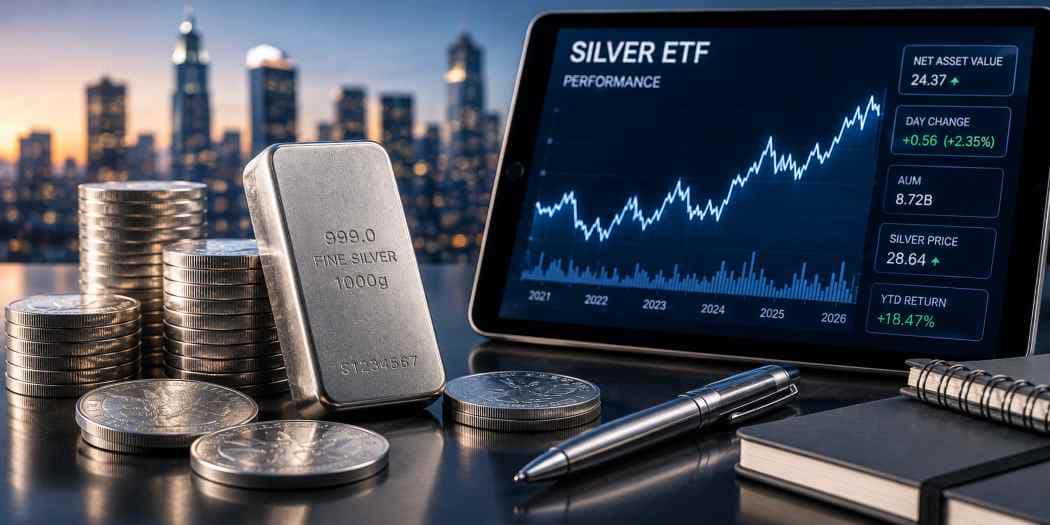
Why Comparing ETFs and Physical Silver Matters Today
The landscape for investing in silver has evolved significantly, offering investors multiple avenues to gain exposure. While physical silver—coins and bars—has long been the traditional method of wealth preservation, exchange-traded funds (ETFs) have emerged as a convenient, liquid alternative. As global markets contend with fluctuating inflation expectations, central bank policies, and industrial demand pressures, understanding the nuances between silver ETFs and physical bullion is crucial for portfolio diversification. Investors today weigh considerations like accessibility, storage, liquidity, numismatic premiums, and industrial utility when deciding how to integrate silver into a balanced investment strategy.
In 2026, market volatility, heightened industrial demand for electronics and solar energy, and macroeconomic shifts have placed renewed focus on how different silver investment vehicles perform under varying economic scenarios. ETFs offer easy entry and exit for traders seeking market exposure without physical handling, while coins and bars provide tangible assets, potential numismatic value, and protection from systemic risks inherent in digital instruments. Choosing between these approaches requires careful consideration of investment objectives, risk tolerance, and the time horizon for silver holdings.
Market Drivers Supporting Silver Investment Decisions
Silver prices continue to be influenced by a combination of macroeconomic factors and structural supply-demand dynamics. Geopolitical uncertainty, global inflation trends, and shifts in U.S. Federal Reserve policy directly affect market sentiment toward both physical silver and ETF exposure. Industrial demand, particularly in solar panel production, electric vehicle manufacturing, and semiconductor components, remains robust, supporting a baseline level of silver demand that can underpin silver spot prices.
Additionally, investor positioning in silver ETFs reflects broader portfolio strategies tied to risk-on or risk-off behavior. When yields rise or the U.S. dollar strengthens, paper silver exposure may see sharper fluctuations than physically held bullion, due to the increased opportunity cost of non-yielding assets. Conversely, during periods of liquidity stress or geopolitical risk, tangible silver coins and bars are often sought after as a safe-haven asset. Understanding these dynamics helps investors decide whether to favor physical ownership or a market-traded instrument.
Physical Silver: Coins and Bars
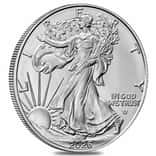
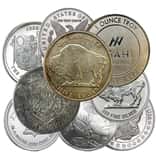
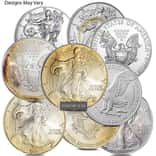
Physical silver remains the foundation of traditional bullion investing. Coins, such as the American Silver Eagle, Canadian Silver Maple Leaf, and 1 oz rounds from recognized mints, offer both investment utility and collector appeal. Bars provide higher-purity bullion at potentially lower premiums per ounce than coins but lack numismatic value. Physical silver offers investors direct control over holdings, offline security, and protection from counterparty risk inherent in financial instruments.
Industrial relevance is another differentiating factor. Unlike ETFs, which represent paper exposure, physical silver can be delivered, stored, and potentially used in industrial applications or fabrication. This tangible aspect appeals to investors seeking a hedge against inflation, currency depreciation, or systemic financial disruptions. However, buyers must account for storage costs, insurance, and liquidity when liquidating physical assets, particularly in larger quantities.
Silver ETFs: Liquidity and Market Exposure
Silver ETFs, such as SLV, AGQ, and others, allow investors to participate in silver price movements without handling physical metal. These funds are highly liquid, tradeable through standard brokerage accounts, and often provide fractional exposure, enabling small or institutional investors to enter the market conveniently. ETFs reduce storage and insurance concerns but introduce counterparty and operational risk, as holdings are backed by trust arrangements rather than direct ownership.
For portfolio managers, ETFs offer seamless rebalancing opportunities and integration into diversified portfolios, including retirement accounts. Their price action is typically more responsive to macroeconomic news, monetary policy shifts, and financial market volatility, reflecting paper market dynamics rather than industrial or numismatic factors. As a result, ETFs may be suited for traders with short-to-medium-term objectives, while physical silver often appeals to long-term, risk-averse investors.
Comparing Coins, Bars, and ETFs: Key Considerations
When choosing between silver ETFs, coins, or bars, investors should weigh several factors:
-
Liquidity: ETFs offer immediate tradability, while bars and coins require sale through dealers or auctions, which may take longer and involve premiums.
-
Storage and Security: Physical bullion requires secure storage and insurance; ETFs are held digitally or through custodial arrangements.
-
Numismatic and Collector Value: Coins can carry premiums for rarity and collectibility, potentially outperforming spot silver during periods of collector interest.
-
Industrial Demand Exposure: Physical silver aligns with real-world supply-demand trends, especially for industrial users in renewable energy and technology.
-
Market Volatility Sensitivity: ETFs are more exposed to market swings, currency shifts, and interest rate changes than physically held silver.
Ultimately, a diversified approach may combine physical silver for stability and long-term preservation with ETF exposure for flexibility and liquidity, particularly for investors balancing industrial, financial, and collector objectives.
Historical Perspective: Silver Performance in Context
Silver has historically demonstrated higher volatility than gold but strong upside potential during industrial demand surges. Physical silver retains a hedge against inflation and currency risk, while ETFs have captured broad market interest during speculative periods. The combination of these insights helps investors understand relative strengths and weaknesses, particularly as global supply constraints and central bank policies continue to shape bullion markets.
Practical Guidance for 2026 Investors
In 2026, investors should carefully evaluate whether to prioritize coins, bars, or ETFs based on personal goals:
-
Long-term Wealth Preservation: Favor physical silver with high-purity bars and widely recognized coins.
-
Portfolio Flexibility and Liquidity: ETFs allow swift market participation with minimal handling costs.
-
Industrial Insight: Consider the impact of renewable energy, EV, and electronics demand on silver markets.
-
Risk Mitigation: Blend physical and paper silver to manage counterparty, storage, and market risk.
By tailoring allocations to these considerations, investors can optimize returns while balancing exposure to market volatility, industrial trends, and macroeconomic influences.
Forward-Looking Strategies for Silver Investment
Looking ahead, market participants should monitor global industrial production, geopolitical developments, and central bank policies, which can all influence silver prices. ETF flows, mining output, and recycling rates will continue to impact liquidity and pricing dynamics, while coin premiums may rise in response to collector demand and limited mintages. Combining market-aware strategy with tangible ownership offers investors resilience and versatility in navigating the 2026 silver market landscape.
Key Takeaway: Investors in 2026 can achieve a well-rounded silver strategy by balancing physical coins and bars with ETFs, leveraging each vehicle’s strengths across liquidity, industrial demand, and collector appeal.
Related reading you may find interesting:
Top Silver Coins: The Inflation Hedge Buyers Should Know