View Charts
Top Silver Coins: The Inflation Hedge Buyers Should Know
 0
0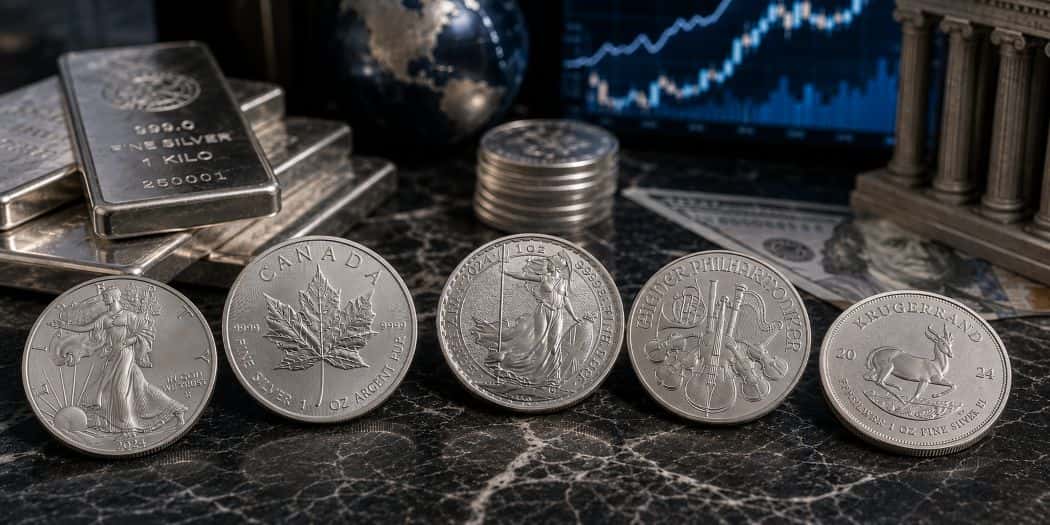
Why Coin Selection Matters More Than Many Silver Investors Realize
Silver's appeal as an inflation hedge is easy to understand. It is tangible, globally recognized, and historically viewed as a store of value during periods of monetary uncertainty. In 2026, those qualities continue to attract investors concerned about long-term purchasing power, government debt levels, and the possibility that inflation remains more persistent than policymakers would like. Yet once an investor decides to buy silver, a second question quickly emerges: what form of silver makes the most sense?
The answer is not always obvious. New buyers often assume that an ounce of silver is simply an ounce of silver. From a purely metal-content perspective, that statement is true. From an investment perspective, however, the type of product purchased can influence liquidity, resale opportunities, premiums, storage considerations, and overall ownership experience. The differences may appear minor at the time of purchase, but they often become far more important when market conditions change.
This is one reason certain silver coins have maintained their popularity across multiple market cycles. Their value extends beyond the silver they contain. Recognition, trust, and market acceptance create advantages that are difficult to quantify yet immediately apparent when investors enter or exit positions.
Inflation Hedges Work Best When They Can Be Easily Sold
Many discussions about precious metals focus on buying. Experienced investors often spend just as much time thinking about selling.
Liquidity is one of the most overlooked aspects of silver ownership. A product that carries a slightly higher premium may ultimately prove more valuable if dealers and private buyers immediately recognize it. In fast-moving markets, familiarity matters. Investors tend to gravitate toward products they trust, particularly during periods of economic uncertainty when physical demand accelerates.
This reality helps explain why government-issued bullion coins consistently command attention. Buyers are not simply paying for silver content. They are paying for a level of market confidence that has been established over decades. The ability to sell quickly and efficiently can become especially important during periods of heightened volatility, when spreads widen and product availability shifts rapidly.
Viewed through that lens, the best silver coin is not necessarily the one with the lowest premium. It is often the one that balances metal exposure with broad market acceptance.
Why Premiums Tell a Bigger Story Than Spot Price
One of the first surprises new silver buyers encounter is the difference between spot price of silver and retail price. Market headlines may focus on silver trading at a particular level, yet physical products often sell for considerably more.
Premiums reflect a combination of factors. Minting costs, transportation expenses, inventory availability, fabrication capacity, dealer margins, and market demand all influence the final price paid by investors. During periods of strong buying activity, premiums can expand dramatically even if silver prices remain relatively stable.
The most successful long-term buyers generally avoid viewing premiums in isolation. A lower premium is attractive, but only if it comes attached to a product that can be sold easily later. Conversely, an extremely high premium may not make sense unless the additional cost provides meaningful advantages in terms of liquidity, recognition, or demand.
Understanding this tradeoff is often more important than attempting to save a small amount on the initial purchase. Over time, market acceptance frequently proves more valuable than marginal differences in acquisition cost.
Why the American Silver Eagle Continues to Dominate the U.S. Market
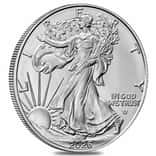
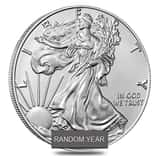
Few silver products enjoy the level of recognition associated with the American Silver Eagle. Since its introduction in 1986, the coin has become the benchmark against which many other bullion products are measured.
Its popularity reflects more than patriotism or familiarity. The Silver Eagle has built a reputation through decades of active trading, strong dealer support, and widespread investor confidence. Buyers know what it is, dealers know how to price it, and secondary markets remain consistently active. Those advantages become particularly noticeable during periods of market stress when investors prioritize recognizable products.
The tradeoff, of course, is premium. Silver Eagles frequently cost more than comparable bullion coins from other sovereign mints. Yet many investors continue to pay that premium because they view it as the cost of liquidity. The additional expense often reflects confidence that the coin will remain desirable regardless of future market conditions.
For many U.S.-based investors, the Silver Eagle serves as a foundation rather than a speculative purchase. Its appeal lies not in novelty but in predictability.
The Global Case for the Maple Leaf, Britannia, Philharmonic, and Krugerrand
Outside the United States, several other sovereign bullion programs have established equally impressive reputations. Each offers a slightly different combination of purity, pricing, security features, and international recognition.
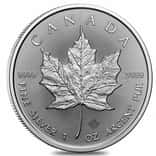
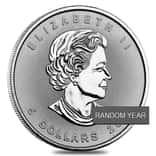
The Canadian Silver Maple Leaf has become particularly popular because of its .9999 purity and broad global acceptance. Investors value not only the metal content but also the Royal Canadian Mint's reputation for quality and anti-counterfeiting technology. The coin has earned trust across multiple continents, making it one of the most liquid silver products available.
The British Silver Britannia appeals to a different segment of the market. Security enhancements introduced by The Royal Mint have strengthened its standing among investors increasingly focused on product authenticity. At the same time, its premiums often remain competitive relative to the Silver Eagle.
Austria's Silver Philharmonic occupies yet another niche. It combines sovereign backing with attractive pricing, making it particularly appealing to buyers who prioritize efficient silver accumulation. The South African Silver Krugerrand benefits from one of the most recognizable names in precious metals, leveraging decades of brand recognition established by its gold counterpart.
What unites these coins is not their design or country of origin. It is the confidence they inspire among buyers and sellers throughout the global bullion market.
Market Recognition Often Becomes Most Valuable During Uncertainty
Periods of economic stability tend to narrow the differences between bullion products. During those times, investors often focus heavily on premiums because liquidity appears abundant and market conditions remain orderly.
The environment changes when uncertainty rises. Sharp price swings, financial stress, geopolitical concerns, or sudden increases in retail demand can alter buying behavior quickly. Investors frequently gravitate toward products they recognize immediately, creating stronger demand for established sovereign coins.
This tendency explains why market leadership rarely changes dramatically. New bullion products enter the market regularly, but a handful of sovereign-minted coins continue to dominate investor attention because trust compounds over time. Decades of active trading create advantages that newer programs struggle to replicate.
For inflation-focused investors, this consistency is often part of the appeal. Ownership becomes less about predicting which product will outperform and more about choosing products that have already demonstrated their resilience through multiple economic cycles.
Bullion and Collectible Coins Serve Different Objectives
The distinction between bullion and numismatic coins remains one of the most important concepts in precious metals investing. Although both may contain silver, they respond to very different market forces.
Bullion coins derive most of their value from metal content, market demand, and liquidity. Their premiums fluctuate, but the underlying silver price remains the primary driver. Collectible coins follow a different path. Scarcity, condition, certification, historical significance, and collector demand often play a larger role than the value of the metal itself.
Neither approach is inherently superior. They simply serve different objectives. Investors seeking a direct hedge against inflation generally prefer bullion because its relationship to silver prices is straightforward. Numismatic buyers may pursue additional upside through rarity and collector demand, but they also introduce variables that extend beyond precious metals fundamentals.
Understanding this difference helps investors avoid confusion when comparing products that may look similar on the surface yet behave very differently over time.
Building Silver Exposure Is Usually Less Complicated Than Investors Expect
The most effective silver strategies are often surprisingly simple. Rather than chasing short-term market narratives, many successful investors focus on steady accumulation, careful premium management, and ownership of products with established reputations.
Some diversify among several sovereign-minted silver coins, balancing familiarity with cost efficiency. Others combine highly liquid bullion coins with lower-premium bars or rounds to maximize metal exposure. The specific mix matters less than maintaining a disciplined approach and understanding the role each product plays within the broader portfolio.
Storage and resale planning deserve equal attention. Silver occupies considerably more physical space than gold at comparable dollar values, making organization and security important considerations as holdings grow. Investors who think about eventual liquidity before they buy often find themselves better positioned later.
The Best Silver Coin Depends on What You Need It to Do
Investors often search for a definitive answer regarding the best silver coin for inflation protection. In reality, the better question is what role the coin is expected to play.
Some buyers prioritize maximum recognition and are willing to pay higher premiums for that advantage. Others emphasize cost efficiency and seek the greatest amount of silver exposure possible. International investors may focus on global acceptance, while long-term accumulators often value consistency and liquidity above all else.
The good news is that the major sovereign bullion programs have already proven themselves across a wide range of market environments. American Silver Eagles, Canadian Maple Leafs, British Britannias, Austrian Philharmonics, and South African Krugerrands remain popular for the same reason they have remained relevant for years: they combine trusted minting, strong liquidity, and broad investor confidence.
As inflation concerns, industrial demand, and economic uncertainty continue shaping the silver market, those characteristics are likely to remain just as valuable in the future as they have been in the past. For investors seeking a tangible hedge against uncertainty, choosing a trusted silver coin is often less about finding perfection and more about selecting a product the market already knows and respects.
Related reading you may find interesting:
Gold Seasonal Trends and Bullion Timing in 2026
Fed Rate Hike Signals: Gold & Silver Outlook Hawkish DotPlot