View Charts
How to Avoid Scams When Investing in Precious Metals
 0
0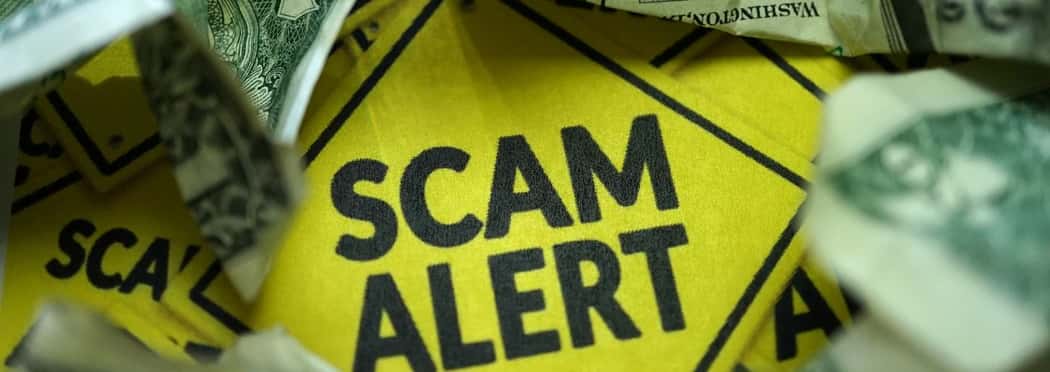
Source: Canva
Investing in precious metals can be a wise decision for diversifying your portfolio and securing a tangible asset with historical staying power. However, as with any investment, there is a risk of scams. The allure of gold, silver, platinum, and palladium can attract not only earnest investors but also unscrupulous actors looking to capitalize on investor enthusiasm. Here's how you can safeguard your investments and steer clear of potential frauds.
Conduct Thorough Research
- Know the Market: Before investing, understand the market prices of precious metals. Prices are determined by market conditions and should be relatively uniform across different dealers. Should a price appear exceptionally low and thus highly tempting, it's likely indicative of a scam.
- Reputable Sources: Always deal with well-known and respected dealers. Check their status with industry organizations such as the Professional Numismatists Guild (PNG) or the American Numismatic Association (ANA).
- Reviews and BBB Ratings: Search for customer reviews. A legitimate business should have a track record of satisfied customers and few complaints filed against it.

Source: Canva
Verify Authenticity
- Certification: Ensure that the precious metals are certified. Reputable dealers will offer bullion coins and bars that are certified for their purity and weight.
- Third-Party Verification: Consider using third-party verification services for larger purchases. These services can authenticate the weight, size, and purity of the metal.
Understand the Investment
- Scrutinize the Details: Ensure you thoroughly review and comprehend the sale's terms and conditions before proceeding. This includes return policies, shipping, and insurance during transit.
- Avoid Pressure: High-pressure sales tactics are a red flag. Legitimate dealers will not push you to make a quick decision or to invest more than you are comfortable with.
- Payment Methods: Be cautious of dealers who only accept cash or wire transfers. Credit cards and checks offer more security and create a paper trail.
Source: Canva
Secure Storage
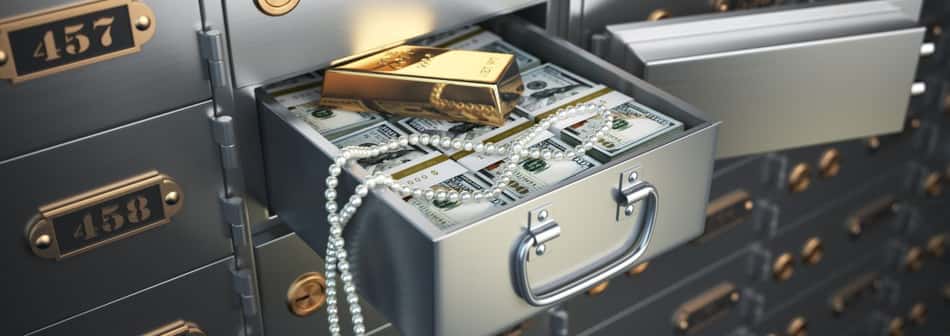
- Storage Options: If you're buying physical precious metals, consider your storage options. Home storage can be risky. Consider using a bank deposit box or professional storage services that specialize in precious metals.
- Insurance: Make sure your investment is insured, whether it’s stored at home, in a bank, or with a storage service. This insurance should cover the full value of the metal.
Legal and Regulatory Compliance
- Licensing: Check that the dealer is licensed to deal in precious metals. Many states require precious metal dealers to be licensed.
- Reporting Scams: If you suspect a scam, report it to the authorities. This can include the local police, the Federal Trade Commission (FTC), or the Commodity Futures Trading Commission (CFTC).
Be Wary of Certain Products
- Rare Coins: Scammers may try to sell rare coins, claiming they will outperform gold bullion. Unless you are an expert in collectible coins, it’s best to stick to standard bullion products.
- Leveraged Investments: Be cautious of leveraged precious metal investment schemes that promise greater returns. They can also lead to greater losses and sometimes involve hidden fees and contracts that are difficult to exit.
Continuous Education
- Stay Informed: The best defense against scams is continuous education. Stay updated on the latest news in precious metals, and familiarize yourself with common scam tactics.
Conclusion
Investing in precious metals can be a rewarding venture if done wisely and cautiously. By conducting thorough research, verifying authenticity, understanding your investment, securing your assets properly, and complying with legal standards, you can significantly reduce the risk of falling victim to a scam. Always remember that if an investment opportunity in precious metals seems too good to be true, it likely is. Exercise due diligence and consult with financial advisors if you have any doubts about a potential investment.
FAQs on Avoiding Scams in Precious Metals Investment
Q: How can I ensure a precious metal dealer is reputable? A: Verify the dealer's credibility through industry associations like the Professional Numismatists Guild (PNG) or the American Numismatic Association (ANA). Check for online reviews, ratings, and any complaints with the Better Business Bureau (BBB).
Q: What are the signs of a precious metal scam? A: Red flags include prices significantly below market value, high-pressure sales tactics, lack of transparency in fees, insistence on wire transfers for payment, and dealers without a verifiable track record.
Q: Can I trust online reviews for precious metal dealers? A: While online reviews can be helpful, they should not be the sole basis for trust. Cross-reference reviews with other sources and check for a consistent pattern of positive or negative feedback.
Q: What should I do if I suspect a precious metal investment scam? A: Cease all transactions with the entity, document all communications, and report the incident to local law enforcement, the Federal Trade Commission (FTC), or the Commodity Futures Trading Commission (CFTC).
Q: Is it safe to store precious metals at home? A: Home storage can pose risks such as theft or damage. Consider using a bank deposit box or professional storage services with insurance coverage for better security.
Q: Are there any specific types of precious metal products I should avoid? A: Be cautious with rare coins or highly leveraged precious metal investments unless you have a deep understanding of these products. Stick to standard bullion products if you're a beginner.
Q: How do I verify the authenticity of precious metals? A: Purchase from dealers who provide certified metals and consider using third-party verification services for large transactions to confirm the purity and weight of the metal.
Q: What payment methods should I use when purchasing precious metals? A: Use payment methods that offer protection and create a paper trail, such as credit cards or checks. Be wary of dealers who only accept cash or wire transfers.
Q: Should I invest in precious metals without physical delivery? A: Investing without taking physical delivery can be safe if done through reputable ETFs or mutual funds. However, be cautious of schemes that promise ownership without physical possession and lack transparency.
Q: How much of my investment portfolio should be in precious metals? A: The percentage can vary depending on individual financial goals and market conditions. Consult with a financial advisor to determine an appropriate allocation for your portfolio.