View Charts
How Much are Vintage Silver Dollars Worth?
 0
0
Silver dollars, especially vintage ones, hold a special place in the world of numismatics. These coins, which were minted in the United States from the late 18th century through the mid-20th century, can vary significantly in value based on a number of factors including their age, rarity, condition, and historical significance. This article aims to provide a detailed overview of what makes vintage silver dollars valuable and what collectors should consider when determining their worth.
Historical Overview
The history of silver dollars in the United States begins in 1794 with the minting of the Flowing Hair dollar, the first dollar coin issued by the U.S. federal government. Since then, several key series have been introduced:
- Flowing Hair (1794-1795): The first silver dollar series, known for its simple and elegant design. These coins are extremely rare and valuable, especially the 1794 dollar, which is one of the most coveted coins in American numismatics.
- Draped Bust (1795-1804): Featuring a more refined depiction of Liberty, this series includes some of the most sought-after coins, particularly the 1804 dollar, known as the "King of American Coins."
- Seated Liberty (1840-1873): This long-running series depicts Liberty seated and holding a shield. While less rare than earlier series, high-grade examples can still command high prices.
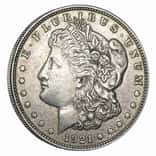
- Morgan (1878-1921): Perhaps the most popular among collectors, Morgan dollars feature a portrait of Liberty on the obverse and an eagle with outstretched wings on the reverse. Millions were minted, but certain years and mint marks are particularly rare.
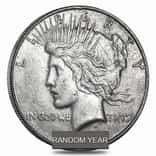
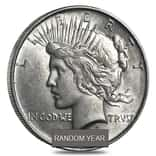
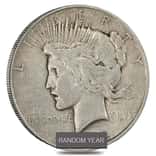
- Peace (1921-1935): Designed to commemorate the end of World War I, Peace dollars feature a striking image of Liberty on the obverse and a peaceful eagle on the reverse. These coins are also highly collected, especially the high-relief 1921 issue.
Key Factors Influencing Value
- Rarity:
- Mintage Numbers: The original number of coins minted for each year and series can significantly affect a coin's value. For example, the 1893-S Morgan dollar had a mintage of just 100,000, making it one of the rarest in the series.
- Survival Rate: Not all minted coins have survived the test of time. Coins that remain in good condition are often much rarer than their mintage numbers suggest.
- Condition (Grade):
- Grading Scale: Coins are graded on a scale from Poor (P-1) to Perfect Mint State (MS-70). Higher-grade coins are typically more valuable. For instance, a Morgan dollar in Mint State condition (MS-65 or higher) can be worth several times more than the same coin in lower grades.
- Eye Appeal: Even among coins of the same grade, those with better eye appeal (e.g., attractive toning, strong luster) can command higher prices.
- Historical Significance:
- Notable Dates and Events: Coins minted in certain years or under particular circumstances (e.g., first or last year of a series, special commemorative issues) can have added historical value.
- Provenance: Coins with a well-documented history or that were part of famous collections can also be more valuable.
- Mint Marks:
- Coins minted at different U.S. Mint locations (e.g., Carson City, San Francisco, New Orleans) can vary in value. For example, Morgan dollars with the "CC" mint mark from Carson City are often more valuable due to their lower mintage and historical allure.
Evaluating Silver Dollar Value
To accurately determine the value of a vintage silver dollar, consider the following steps:
- Identify the Coin: Determine the year, mint mark, and series of the coin. This basic information can help narrow down its potential value range.
- Assess the Condition: Examine the coin for wear and damage. Consulting a professional grading service (PCGS, NGC) can provide an official grade and enhance the coin’s marketability.
- Research Market Values: Check recent auction results, price guides, and dealer listings for similar coins. This can provide a realistic expectation of what collectors are willing to pay.
- Consult Experts: Engaging with experienced numismatists, coin dealers, and auction houses can offer valuable insights and help ensure a fair valuation.
Examples of High-Value Silver Dollars
- 1794 Flowing Hair Dollar: Often fetching millions of dollars at auction, this coin is one of the most valuable American coins due to its historical significance as the first U.S. silver dollar.
- 1804 Draped Bust Dollar: 1804 Draped Bust Dollar: Dubbed the "King of American Coins," examples of this coin have fetched prices exceeding $4 million.
- 1893-S Morgan Dollar: High-grade examples of this key date can sell for hundreds of thousands of dollars.
- 1921 High Relief Peace Dollar: Prized for its artistic design, this coin can fetch significant sums, especially in higher grades.
Conclusion
The value of vintage silver dollars is influenced by a combination of rarity, condition, historical significance, and market demand. Whether you are a seasoned collector or a novice enthusiast, understanding these factors can help you appreciate the true worth of these fascinating pieces of American history. By conducting thorough research and consulting with experts, you can make informed decisions and potentially uncover valuable treasures in the world of vintage silver dollars.
More blogposts like this:
Top 10 Silver Coins for Collectors in 2024 Guide
Peace Silver Dollar: Current Value Guide
Silver Market Analysis: Upward Trend & Future Predictions