View Charts
Peace Silver Dollar Value: What's It Worth Today?
 0
0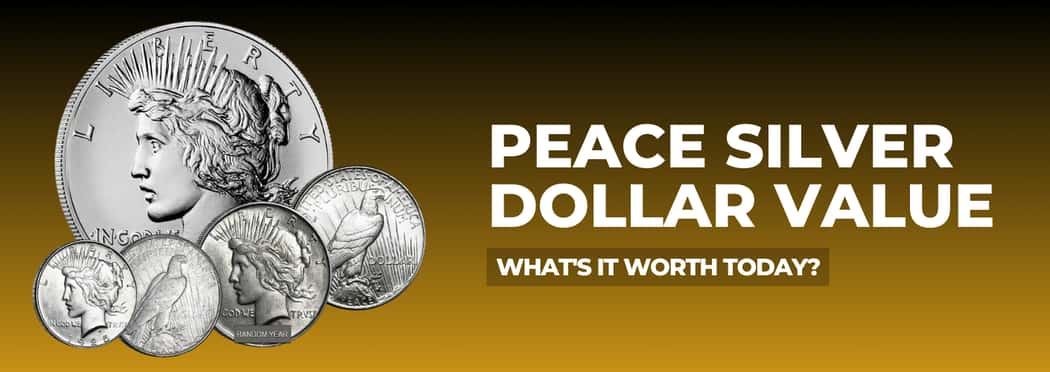
The Peace Silver Dollar, minted in the United States from 1921 to 1935, is more than just a piece of currency. It's a celebrated relic of post-World War I America, symbolizing the country's aspirations for peace. This coin's artistic design and historical significance make it a prized possession among collectors and investors alike. If you're curious about the current value of a Peace Silver Dollar and what factors affect its price, this guide will provide comprehensive insights.
Understanding the Peace Silver Dollar
Crafted by Anthony de Francisci, the Peace Silver Dollar showcases a prominent portrait of Lady Liberty on the obverse and depicts an eagle grasping an olive branch on the reverse. This design was chosen to commemorate the peace following World War I, making it an emblem of a significant era in American history. The coin consists of 90% silver and 10% copper, aligning with the standard for U.S. silver coins at the time.
Factors Influencing Silver Dollar Value
The value of Peace Silver Dollars is influenced by several key factors:
- Condition: Coin grading is critical in determining value. Coins are assessed on a scale from Poor (PR) to Mint State (MS). Those in Mint State, showing no signs of wear and retaining their original luster, are particularly valuable.
- Mintage and Rarity: Production numbers significantly impact a coin's rarity and value. For example, the 1928 Peace Silver Dollar from Philadelphia had one of the lowest mintages, making it highly sought after by collectors.
- Metal Prices: The intrinsic value of the silver content sets the baseline price for these coins. However, the numismatic value can greatly exceed the metal value depending on rarity and condition.
- Historical Demand: Coins with a storied past or those from significant historical periods often garner higher interest and value.
How to Determine the Value of Your Peace Silver Dollar
To ascertain the current value of your Peace Silver Dollar, follow these steps:
- Identify the Year and Mint Mark: Check the coin for the year it was minted and look for the mint mark on the reverse, beneath the word "ONE" and above the eagle's tail. The mark indicates its minting origin—S for San Francisco, D for Denver, and no mark for Philadelphia.
- Assess the Condition: Evaluate the coin’s condition or seek a professional grading. The better the condition, the higher the potential value.
- Consult Price Guides and Auctions: Reference up-to-date coin catalogs, online price guides, and recent auction results to see how similar coins are valued in the market.
- Visit Coin Dealers or Collectors: For a precise valuation, especially if the coin might be exceptionally valuable, consult with experienced dealers or collectors who can offer insights and perhaps an appraisal.
- Monitor Silver Prices: Given the silver content, fluctuations in silver prices can affect the overall value of Peace Silver Dollars.
Popular Variants and Their Values
Among the Peace Silver Dollars, certain years and mint marks stand out:
- 1921 High Relief: Initially minted in high relief, this version was quickly switched to a lower relief to mitigate the coin’s wear in circulation, making the high relief versions from 1921 highly prized and valuable.
- 1928-P: As one of the lowest mintage years in the Peace Dollar series, this version is exceptionally rare and valuable.
- 1934-S: Coins minted in San Francisco in 1934 are notable for their lower survival rate in high grades, making well-preserved examples quite valuable.
Tips for Collectors and Investors
If you are interested in collecting or investing in Peace Silver Dollars, consider the following tips:
- Preserve Condition: Store your coins properly to prevent wear and environmental damage. Use coin holders or cases designed for coin preservation.
- Diversify Your Collection: Include a mix of grades and mint years in your collection to balance potential risks and rewards.
- Stay Informed: Keep abreast of market trends and historical data that can affect coin values. Joining numismatic societies and attending coin shows can also provide valuable networking opportunities and insights.
- Consider Long-Term Value: While some collectors might seek quick profits from buying and selling coins, the greatest value often comes from long-term appreciation, especially for coins in exceptional condition or from rarer mintages.

Conclusion
The Peace Silver Dollar embodies more than just monetary value; it represents a poignant period in American history, marking the nation’s desire for peace after World War I. As both a collectible and an investment, these coins hold a special allure that goes beyond their silver content.
Moreover, market demand fluctuates, influenced by economic conditions, collector interest, and trends in the numismatic community. Staying informed about these trends is crucial for anyone involved in buying or selling these coins. Collectors who understand the market dynamics and the specific attributes that enhance a coin's worth are better positioned to make wise purchasing or selling decisions.
For investors, Peace Silver Dollars offer a tangible asset that can diversify investment portfolios. Unlike many modern forms of investment, these coins provide a physical connection to the past, which can be a reassuring presence in an increasingly digital financial world. The historical narrative associated with each coin can also provide a deeper appreciation for its value, making collecting a more enriching experience.
To those looking to start or enhance their collection, or even sell their pieces, understanding the intrinsic and collectible qualities of the Peace Silver Dollar is key. As you consider expanding your numismatic journey, remember that each coin is a fragment of history, an artifact of a bygone era, and a testament to the enduring value of peace.
More blog posts like this:
Exploring the Rarity and Value of Pre-1933 Gold Coins
The History and Significance of the American Silver Eagle Coin