View Charts
GOLD, SILVER, AND BITCOIN PRICES, DAILY MARKET NEWS. AUGUST 2023.
 0
0Oil Hits Record 2023 High Following Unexpected Production Cut by Saudis and Russia
Oil prices witnessed an unprecedented surge as two of the world's major oil producers, Saudi Arabia and Russia, announced an unexpected and extended cut in their oil production.
Earlier speculations were rife that the recent move by Saudi Aramco to consider selling up to $50 billion in new stock would lead to a surge in oil prices. These predictions were realized as oil prices soared just days after.
Around 9 a.m. ET, in a surprising announcement, Saudi Arabia declared that it would prolong its voluntary production cut of 1 million b/d for an additional three months. This extension, scheduled from October to December 2023, surpasses the market's expectation of just a one-month extension.
As per reports from the Saudi press agency SPA, the decision for this voluntary cut will undergo monthly reviews, potentially deepening the cut or increasing production, depending on the market dynamics. This move is primarily to buttress the preventive measures taken by OPEC countries, aiming to fortify the stability of the global oil market.
In a synchronized response, Russia, only moments after the Saudi announcement, also unveiled its strategy.
Russian Deputy PM Novak announced that not only would Russia continue its oil export reduction till the year's end, but it would also add an additional 300kb/d in voluntary oil cuts until December 2023. This decision is a subsequent step to the voluntary reduction Russia announced in April 2023, which will continue until December 2024.
Much like Saudi Arabia, Russia has also emphasized a monthly review of its oil production decisions, giving them room to either deepen the reduction or escalate production based on global market circumstances.
As an immediate effect of these sudden revelations, Brent Nov’23 saw a rise from USD 88.50 to the $90 mark for the first time in 2023. Concurrently, WTI Oct’23 went from USD 85.55/bbl to USD 87.00/bbl, registering the year's highest price. This surge may thwart the Federal Reserve's aspirations of curbing headline inflation.
The overarching message from these developments appears to be a counter-response by OPEC+/BRIC+ to what many see as Biden's 'weaponized dollar'. The oil industry's move can be viewed as a form of 'weaponized oil', setting the stage for an economic battle of endurance.
As oil prices move perilously close to the $100 mark, concerns grow around President Biden's strategic oil sales, especially given the recent divestments at much lower rates.
Today in precious metals, gold prices fell 0.40% to $1,930.29 per ounce. Silver dipped 0.90% to $23.71 per ounce. Platinum decreased by 1.31% to $962.73 per ounce, while Palladium sank by 1.31% to $1,205.50 per ounce. Bitcoin dipped 0.27% to $25,730.00.
What potential economic and geopolitical implications might arise from the unexpected and extended production cuts by Saudi Arabia and Russia, especially considering the approaching $100 oil price mark and its impact on global economies and President Biden's strategic oil policies?
61% of Americans Living Paycheck to Paycheck: The Ongoing Battle with Inflation
Aug. 31, 2023

Source: Canva
Despite indications of a slowdown in rising prices, the economic panorama of the United States is one of struggle, with inflation continuing to impact daily lives.
A recent report from LendingClub has highlighted that 61% of American adults find themselves living paycheck to paycheck, a subtle increase from the previous year's figure of 59%.
A Slowing Inflation but Persistent Challenges
Recent data, released by the U.S. Bureau of Labor Statistics, suggests that the rapid price increases of the past might be slowing down. June and July saw a moderation in price surges, with core inflation rising by a mere 0.2% for each of those months.
However, even with these positive indicators, concerns about inflation remain. Further interest rate hikes could be on the horizon as a measure to combat persistently high inflation.
This comes after the central bank's decision to increase rates 11 times previously, placing the key interest rate in the range of 5.25% to 5.5% — the highest it's been in over two decades.
The Ripple Effect on Consumers
The impact of inflation is palpable, with the spending habits of four out of every five consumers being affected. The situation is especially dire for lower-income workers.
The price escalation of essentials, such as food, hits this demographic particularly hard, as these basic necessities make up a more significant portion of their overall expenditure.
A closer look at data from LendingClub paints a clearer picture of the disparities based on income levels:
- 78% of those earning less than $50,000 annually are living paycheck to paycheck.
- For those with incomes between $50,000 and $100,000, the number stands at 65%.
- Even in the higher income bracket of $100,000 or more, 44% of individuals find themselves in a similar financial crunch.
Pervasive Financial Anxiety
The concerns don't end with daily expenses. A recent survey showed that a staggering 70% of Americans are feeling financial stress. Inflation, rising interest rates, and a general lack of savings are key factors contributing to this anxiety.
This sentiment is further echoed by the lack of financial preparedness among many. Only 45% of respondents indicated having an emergency fund. Among those with some emergency savings, roughly 26% have less than $5,000 set aside.
In wrapping up, even with recent statistical hints at inflation easing, a significant portion of Americans continue to feel its prolonged effects. There's a palpable anticipation for measures that could relieve the strained budgets of many households.
What strategies and interventions could be implemented to alleviate the financial strain faced by Americans, and how might these measures impact the overall economic trajectory in the face of persistent inflation?
Today in precious metals, gold prices fell 0.05% to $1,941.39 per ounce. Silver dipped 0.53% to $24.45 per ounce. Platinum increased by 0.21% to $975.50 per ounce, while Palladium sank by 0.12% to $1,220.50 per ounce. Bitcoin sank 3.72% to $26,284.00.
U.S. Job Growth Falls Short in August, According to ADP Report
Aug. 30, 2023

Source: Canva
In a notable departure from previous months, the U.S. experienced a deceleration in job creation in August.
The latest report from ADP, a renowned human resources management software and services provider, revealed that only 177,000 jobs were added in the private sector during the month.
This is a significant drop from the revised figure of 371,000 jobs in July. In contrast, economists who participated in a Dow Jones survey had anticipated an increase of 200,000 jobs for August.
Impact of Rising Interest Rates on Job Growth
The slowing job growth is drawing attention amid growing concerns about the ability of the U.S. economy to manage rising interest rates. The mounting pressure from elevated interest rates raises questions about the resilience of the economy.
These concerns are intensified by the Federal Reserve's recent decision to push rates to their highest in 22 years, coupled with indications of potential further hikes later this year.
Shifting Dynamics of the Job Market
The August figures, as reported by ADP, indicate a trend resembling the job creation pace witnessed before the pandemic.
After two buoyant years marked by a rapid recovery, there appears to be a shift toward more sustainable rates of employment and wage growth, in line with the waning economic impacts of the pandemic.
Moreover, ADP's data pointed to a subdued growth in wages, impacting both employees switching roles and those retaining their current positions.
Inflation Debates and Economic Growth
Discussions among experts about U.S. inflation continue to be a focal point in economic circles. Central to these discussions is the feasibility of the inflation rate reverting to the 2% benchmark without a marked deceleration of the economy.
The strength and performance of the labor market have been pivotal in propelling the economy to exceed many of the projections set for 2023.
Anticipation for the Department of Labor's Report
For years, the ADP's monthly report has been regarded as a harbinger for the Department of Labor's monthly job statistics. However, recent changes in ADP's reporting methodology mean that its projections might not be as indicative as they once were.
With this backdrop, all eyes are now on the upcoming release of the Department of Labor’s job report, eagerly awaited this Friday, to offer further insights into the trajectory of the U.S. labor market.
Given the recent slowdown in job growth combined with the rising interest rates, what could be the potential implications for the U.S. economy in the coming months? Will this trend have a long-term impact or is it a temporary setback?
Today in precious metals, gold prices grew 0.47% to $1,945.68 per ounce. Silver rose 0.33% to $24.77 per ounce. Platinum decreased by 0.56% to $970.50 per ounce, while Palladium sank by 1.96% to $1,224.50 per ounce. Bitcoin dipped 2.34% to $27,084.00.
Consumer Confidence Dips Sharply in August Amid Rising Inflation Concerns
Aug. 29, 2023

Source: Canva
In a surprising turn of events, The Conference Board's consumer confidence survey revealed a substantial drop in August 2023.
Just a month prior, the metric stood at a commendable two-year high. However, the expectations for a modest decline were surpassed as the numbers tumbled considerably, marking the lowest since May.
The Gravity of the Situation
July’s numbers were revised down from 117 to 114. August's disappointing results saw the index plunge even further to 106.1, a far cry from the anticipated 116.0.
Dana Peterson, the Chief Economist at The Conference Board, expressed her concerns, stating, “Consumer confidence fell in August 2023, erasing the gains of June and July.”
The causes of this unexpected dip are manifold, reflecting both present conditions and the outlook for the future.
What's Weighing Down Consumer Sentiments?
Consumers are once again becoming increasingly concerned about rising prices, particularly for essential items such as groceries and gasoline. Write-in survey responses spotlighted this growing apprehension.
The declining confidence was pervasive across all age groups. Alarmingly, it was most pronounced among higher-income earners (those with incomes over $100,000) and those at the lower end (earning less than $50,000).
In contrast, the sentiment remained relatively stable for the middle-income bracket, ranging from $50,000 to $99,999.
A Glimpse into the Future
Future expectations are equally bleak. The outlook for the upcoming six months has slumped close to the recessionary benchmark of 80. This signifies dwindling confidence in forthcoming business conditions, employment opportunities, and income growth.
Several factors are contributing to this gloomy forecast. The general populace is becoming privy to disheartening news related to corporate earnings. Concurrently, the job market is contracting, and the ascent of interest rates is making high-value purchases more burdensome for consumers.
Notably, August also witnessed a spike in interest rate expectations following a two-month decline. Concurrently, the stock market's outlook has deteriorated, and the anticipated inflation for the next year has escalated.
Adding to the concerns, the anticipated family financial situation for the next half-year (a metric not included in the Expectations Index) has also weakened.
Additional Economic Indicators
Amidst these tumultuous conditions, inflation expectations have inched up from their lows in October 2020.
The labor market, often a barometer for broader economic health, also displayed concerning signs. The Conference Board's metrics highlighted a dip in the availability of jobs in the past month.
Interestingly, while the overall percentage of consumers anticipating a recession has marginally decreased in August, a staggering 69% still deem it 'somewhat' or 'very likely'.
Final Thoughts
Could the combination of a faltering stock market and persistent inflation be the culprits behind this abrupt end to the optimism seen in recent months?
Alternatively, is this an indication of Americans grappling with escalating credit concerns?
Whatever the root cause, the abrupt shift in consumer sentiment cannot be ignored and will likely influence policy decisions in the coming months.
Today in precious metals, gold prices grew 0.82% to $1,935.62 per ounce. Silver rose 2.04% to $24.93 per ounce. Platinum increased by 1.45% to $978.50 per ounce, while Palladium sank by 0.16% to $1,244.00 per ounce. Bitcoin spiked 4.94% to $27,402.00.
Gold Remains Steady Amid Powell's Hawkish Remarks Ahead of Crucial U.S. Data Releases
Aug. 28, 2023

Source: Canva
Gold showcased its enduring nature on Monday in the face of stern remarks from Federal Reserve Chair Jerome Powell.
With a series of U.S. economic data set for release this week, investors are on edge, looking for indications of inflation patterns and labor market conditions.
On this trading day, spot gold maintained a stable position, registering at $1,914.59 per ounce. In tandem, U.S. gold futures edged slightly higher, marking a 0.1% gain to stand at $1,942.10.
Carlo Alberto De Casa, a market analyst at Kinesis Money, noted the significance of gold's current stability, particularly within the present market framework.
During his recent speech at the annual event in Jackson Hole, Wyoming, Powell emphasized the possible need for the U.S. central bank to enhance interest rates to address the prevailing high inflation levels.
Gold's response in the market was nuanced. While its value was suppressed by a robust dollar, there was some alleviation due to the decline in 10-year Treasury yields from their recent highs.
Traditionally, non-interest-bearing gold often struggles when higher interest rates offer better returns on alternative safe assets like U.S. bonds.
Yeap Jun Rong, a market strategist at IG, shared insights suggesting that the market had mostly anticipated a hawkish stance before Powell's address. The current lack of significant market shocks provides a sense of reprieve for investors.
Moreover, the prevailing concerns regarding potential inflation and the overall resilience of the U.S. economy have further fueled speculations of a rate increment in November.
The forthcoming week promises to be instrumental for market observers and participants, with pivotal economic data releases on the horizon.
The data sets for U.S. core PCE inflation and the August non-farm payroll report could offer key insights into the health and direction of the economy.
In related developments, recent data revealed a shift in investor sentiments towards gold. COMEX gold speculators were observed to cut down on their net long positions in the week culminating on August 22.
In the realm of other precious metals, spot silver reported a minor drop of 0.1% to settle at $24.18, but remained close to its highs seen on August 2. Platinum softened by 0.5% to reach $939.63, whereas palladium climbed 0.9% to stand at $1,235.73. Bitcoin dipped 0.48% to $26,024.00.
Given the recent remarks from Federal Reserve Chair Jerome Powell and the upcoming release of key U.S. economic data, how might these factors influence gold's performance in the near future?
Fed's Vigilance on Inflation: Powell Indicates Further Rate Increases
Aug. 25, 2023
Source: Canva
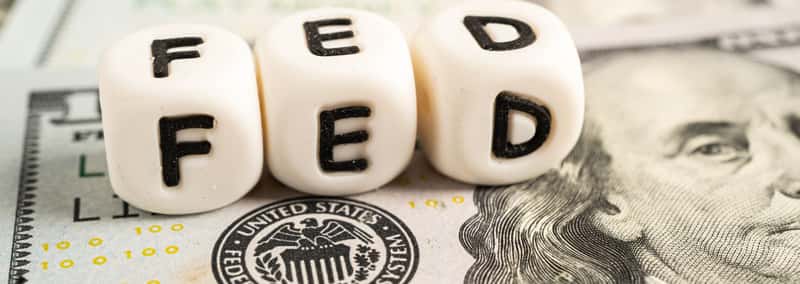
In a significant statement on the state of the U.S. economy, Federal Reserve Chair Jerome Powell stressed the continuing concern about the nation's inflation rates, indicating that further interest rate hikes could be on the horizon.
Inflation: The Overarching Concern
Powell's remarks at the Kansas City Fed's annual retreat in Jackson Hole, Wyoming, emphasized the central bank's focus on the prevailing inflation rates. He recognized the decrease from its previous highs but highlighted its current levels as still above the Fed's comfort zone.
His message was clear: the bank is ready to take stricter measures if inflation does not trend downward sustainably.
He further elaborated on the challenges the Fed faces, expressing the dangers of both underreacting and overreacting. Too little action could cause inflation to become deeply rooted, whereas excessive action could harm the economy.
Recent Monetary Policy and Market Expectations
Powell's caution comes after the central bank has steadily increased interest rates, with the rate now at its highest in over two decades. The bank has also trimmed its balance sheet, shedding nearly a trillion dollars worth of bonds in the last year.
However, Powell did not provide explicit hints regarding the direction of the upcoming Federal Open Market Committee's decision, but he emphasized the necessity to "proceed carefully."
Dissecting Inflation
The Fed Chair provided a more in-depth analysis of the inflationary metrics the bank is closely observing.
While core inflation, which strips out the often fluctuating food and energy prices, remains the primary focus, Powell also mentioned other key factors. These include the costs of goods, housing services, and nonhousing services, with the latter being the most challenging to predict.
Sticking to the 2% Goal
While there have been calls, particularly from some Democratic legislators, to raise the Fed's 2% inflation target to offer greater policy leeway, Powell firmly dismissed the idea. This consistency in maintaining the target underscores the Fed's commitment to ensuring price stability.
The Uncertainty of the 'Neutral' Interest Rate
A notable point of Powell's address was his reluctance to engage in the debate on the 'r-star' rate, the longer-term neutral rate of interest. He expressed the challenges of pinpointing this rate, emphasizing that the current policy stance is seen as restrictive but acknowledging the inherent uncertainty in determining the exact level of monetary restraint.
The Road Ahead
While the exact trajectory of future monetary policy remains uncertain, Powell's statements offer a glimpse into the Fed's current thinking.
The bank's commitment to fighting inflation and ensuring economic stability is evident, but it's clear that navigating the challenges ahead will require a delicate balance between proactive measures and ensuring they don’t inadvertently harm the economy.
How might the Federal Reserve's proactive stance on inflation, as indicated by Chair Jerome Powell's recent remarks, impact the U.S. economy and global financial markets in the coming months?
Today in precious metals, gold prices fell 0.17% to $1,914.59 per ounce. Silver rose 0.02% to $24.12 per ounce. Platinum increased by 0.27% to $937.50 per ounce, while Palladium dropped by 1.22% to $1,224.44 per ounce. Bitcoin dipped 0.48% to $26,024.00.
BRICS Welcomes New Members: A Shift in Global Dynamics
Aug. 24, 2023

Source: Canva
In a pivotal move, BRICS, an alliance often perceived as an alternative to Western power structures, is set to expand its membership with the inclusion of Gulf oil powerhouses, Saudi Arabia, and the United Arab Emirates. This is the bloc's first expansion in over a decade and signifies a changing geopolitical landscape.
China's President, Xi Jinping, celebrated the expansion, describing it as an injection of fresh energy into BRICS, with hopes to strengthen its role in global peace and development. Russian President Vladimir Putin shared a similar sentiment, emphasizing the alliance's aim to broaden its global impact. Indian Prime Minister, Narendra Modi, also sees the expansion as an opportunity to bolster the strength of the bloc.
South African President Cyril Ramaphosa announced that this new membership would be effective from January 1, 2024. He also revealed the upcoming addition of Argentina, Egypt, Ethiopia, and Iran to the BRICS roster next year.
Saudi Arabia's commitment to the BRICS nations is evident in its assurance of being a steady energy provider. With bilateral trade between Saudi Arabia and the current BRICS members exceeding $160 billion in 2022, the economic ties are palpable.
The inclusion of Saudi Arabia, the UAE, and soon, Iran, means that BRICS will house three of the world's top oil producers, reinforcing its economic significance on the global stage.
Iran's perspective on its impending membership is overwhelmingly positive, viewing it as a monumental stride in its foreign policy efforts.
An interesting takeaway from a recent address by Putin is the spotlight on the increasing trend of de-dollarization, highlighting a shift from the dominance of the dollar in global transactions.
Recent data from Statista underscores the economic prowess of the BRICS nations. In 2020, their combined GDP, when measured by purchasing power parity, surpassed that of the G7. As per IMF projections, by this year, BRICS will account for 32.1% of global GDP, a notable rise from 16.9% in 1995 and surpassing the G7's share.
The ascent of BRICS, albeit with its internal challenges, has been influential in advocating for more representative global governance. This shift is evident in the different approaches to global issues, such as Russia’s involvement in Ukraine. Unlike the G7's united stance against Russia, BRICS members have maintained neutrality.
With these new members on board, the world might be witnessing a shift in global dynamics. The strengthened BRICS alliance has the potential to redefine global power equations, presenting an alternative to the traditional Western-led frameworks.
How might the inclusion of new members into the BRICS alliance impact the global economic and political dynamics in the coming decade?
Today in precious metals, gold prices grew 0.28% to $1,920.50 per ounce. Silver dipped 0.43% to $24.21 per ounce. Platinum increased by 0.43% to $933.50 per ounce, while Palladium dropped by 2.43% to $1,244.29 per ounce. Bitcoin dipped 0.18% to $26,050.00.
Efforts to Shield U.S. Economy Intensify Amid Global Shift from Dollar
Aug. 23, 2023
Source: Canva
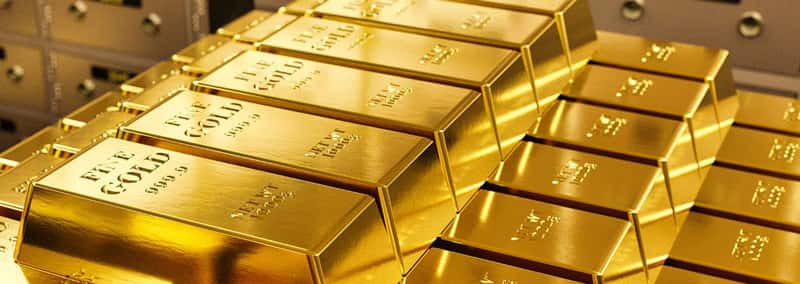
As inflation challenges mount and the U.S. dollar faces declining prominence in international commerce, advocates in Washington and state capitals are championing gold and precious metals as a possible remedy.
Numerous proposals are emerging, advocating for the backing of the U.S. dollar with gold. Meanwhile, private entities contend that gold can act as a buffer against economic downturns, noting the significant accumulation of precious metals by foreign governments and central banks.
Lawmakers at both state and federal levels see gold's reintroduction as a mechanism to preserve the dollar, stabilize the economy, and regulate government expenditure.
A significant piece of legislation has been introduced by U.S. Rep. Alex Mooney, aiming to peg the dollar's value to gold. He stresses the importance of backing the dollar with tangible value.
Texas is also actively considering utilizing gold in commerce through the Texas Gold Depository. Texas Rep. Mark Dorazio emphasizes gold's historical value, advocating for its use in economic crises.
Dr. Ron Paul, a staunch supporter of the gold standard, emphasizes the need for tangible backing for any digital currency that might emerge. He believes that the market should decide what should be utilized as money.
Highlighting the significance of the gold standard, Paul praises the increasing number of states recognizing gold and silver as legal tender, facilitating their trade by eliminating various barriers.
In light of the U.S.'s growing debt and inflation, and with efforts from adversaries to undermine the dollar's position, the focus on precious metals has expanded.
Historically, the dollar was tied to gold, providing it with inherent value. However, policy shifts over the decades, culminating with President Richard Nixon's decision in 1971, moved the U.S. and subsequently the world to a fiat monetary system, where the currency's value is determined by the government.
Today, as economic instability grows globally, there's an increasing demand to revisit gold as a monetary standard. Reports of BRICS nations (Brazil, Russia, India, China, and South Africa) contemplating a gold-backed currency have further intensified interest in gold.
Central banks, especially in non-Western countries, are purchasing gold in significant quantities. Analysts predict this trend to continue given the rising geopolitical risks and high inflation.
Proponents of the gold standard, like Mr. Mooney, believe that unlinking the dollar from gold has led to heightened spending and persistent inflation. With the dollar's position as the global reserve currency under threat, he warns that international faith in the U.S. economy is waning.
Foreign policy decisions, like the controversial Afghanistan withdrawal, have led other nations to question U.S. stability. Mr. Mooney believes that without a return to the gold standard and a clear plan to control spending, the U.S. is on a path to economic catastrophe.
He concludes that reinstating the gold standard could act as a restraint on excessive government spending, offering a solution to the nation's mounting fiscal concerns.
What potential economic and geopolitical outcomes might the U.S. and the global market face if the U.S. were to reinstate the gold standard and back the dollar with tangible assets?
Today in precious metals, gold prices grew 1.14% to $1,918.64 per ounce. Silver rose 3.52% to $24.23 per ounce. Platinum increased by 2.23% to $939.12 per ounce, while Palladium spiked by 1.98% to $1,282.27 per ounce. Bitcoin dipped 0.18% to $25,996.00.
BRICS Nations Eye Reduced Dollar Dependence
Aug. 22, 2023

Source: Canva
The BRICS alliance, an association of five major emerging national economies: Brazil, Russia, India, China, and South Africa, is set to make a significant move that may reshape global financial dynamics.
At their latest summit in Johannesburg, the primary agenda is to discuss ways to curb their reliance on the US dollar.
The Big Move
As per South African Deputy President Paul Mashatile, the BRICS nations will be brainstorming on eliminating dependence on the greenback.
Over the years, this group has initiated multiple strategies to reduce the dominance of the US dollar in mutual transactions, including augmenting payments in the native currencies of the member nations.
Mashatile emphasized the increasing global influence of the BRICS bloc, stating that the world is now noticing the bloc because it’s at the forefront of the global discourse to reduce dollar dependence.
He further clarified the bloc's position, mentioning they are not in competition with the West, but rather seeking their rightful space in global business.
A Potential Common Currency
One of the transformative ideas emanating from the BRICS countries is the inception of a common currency for trade within the member nations.
This concept, if materialized, could significantly impact global trade dynamics and further reduce reliance on dominant currencies.
Expansion on the Horizon
With the BRICS countries currently representing 40% of the global population and nearly a third of the global economy, discussions about welcoming new members to this influential bloc are also on the agenda.
According to estimates from Bloomberg Economics, if BRICS were to expand, it could potentially account for about half of global output by 2040.
This would be a significant leap, doubling the share of the Group of Seven (G7) – a group of the world's seven largest advanced economies.
The 15th BRICS summit, scheduled from August 22 to 24 in Johannesburg, has seen over 20 countries formally expressing interest in joining the group.
Nations like Argentina, Algeria, Egypt, and Türkiye have even hinted at their potential membership aspirations in recent times.
The BRICS summit in Johannesburg not only focuses on redefining global economic dynamics by reducing reliance on the US dollar but is also poised to expand its influence by considering new memberships.
As the alliance strengthens its economic and geopolitical clout, the world watches closely, anticipating potential shifts in global trade, finance, and politics.
Today in precious metals, gold prices fell 0.09% to $1,892.91 per ounce. Silver dipped 0.10% to $23.27 per ounce. Platinum increased by 1.37% to $919.38 per ounce, while Palladium grew by 2.09% to $1,268.00 per ounce. Bitcoin dipped 0.44% to $2,011.00.
What could be the potential economic and geopolitical repercussions if BRICS successfully reduces its reliance on the US dollar and introduces new member nations to its alliance?
EU Corporate Bankruptcies Reach an All-Time High Since 2015
Aug. 21, 2023

Source: Canva
The European Union is currently grappling with an alarming rise in corporate bankruptcies, with figures surging to their highest in eight years, as revealed by a recent report from Eurostat.
This trend highlights the challenges businesses face amidst lackluster economic growth and diminishing governmental support.
A Detailed Examination of the Data
Eurostat's latest data indicates an 8.4% increase in corporate bankruptcies for the second quarter of 2023, compared to the first quarter. This rise represents the sixth consecutive quarter of growth in bankruptcy declarations and the highest since Eurostat began its tracking in 2015.
While all sectors have reported challenges, specific industries seem more severely affected. The accommodation and food services sector experienced a 23.9% rise in bankruptcies.
In comparison, the transportation and storage sector and the education, health, and social activities sectors reported increases of 15.2% and 10.1%, respectively.
Nationally, Hungary, Latvia, and Estonia stood out with the most significant bankruptcy hikes of 40.8%, 24.8%, and 24.6% respectively. On the other end of the spectrum, Cyprus, Croatia, and Denmark reported declines in bankruptcy figures.
Moreover, Eurostat's data revealed a 0.6% decline in new business registrations across the EU during the same period.
Factors Behind the Surge
Several intertwined factors contribute to the rising corporate bankruptcy numbers. The EU's stunted economic growth, paired with rising interest rates due to inflationary pressures, is a significant concern.
Additionally, the end of the Covid-19 pandemic-era financial assistance packages, many of which are now expired, has left many businesses vulnerable. These aids were vital for numerous struggling companies.
Their discontinuation means several industries, especially those already facing challenges before the pandemic, now confront escalating financial and wage demands.
Christoph Niering, who heads the Professional Association of Insolvency Administrators in Germany, shed light on the situation by suggesting that many companies seeking previous government support were already in troubled waters before the pandemic.
Similarly, economist Thomas Humblot from BNP Paribas sees the bankruptcy increase as a "normalization". He emphasized that ending pandemic-driven business aid against a deteriorating economic environment inevitably leads to more insolvencies.
Looking Ahead
The ongoing corporate crisis requires immediate and decisive action. Collaboration between the European Union, its member states, and the business sector is crucial.
Together, they need to develop and implement strategies to counteract this trend, protect the region's economic well-being, and ensure the vitality of its various sectors.
Today in precious metals, gold prices fell 0.08% to $1,887.53 per ounce. Silver spiked 1.00% to $22.96 per ounce. Platinum decreased by 0.07% to $908.10 per ounce, while Palladium dropped by 1.67% to $1,234.14 per ounce. Bitcoin dipped 0.41% to $26,085.00.
How might the recent surge in EU corporate bankruptcies impact the overall economic stability of the region, and what strategies could member states consider to mitigate potential long-term repercussions?
Depleted Pandemic Savings: A Looming Threat to the US Economy?
Aug. 18, 2023

In the wake of mounting economic pressures, a curious phenomenon has caught the attention of many: the unyielding vigor of the US consumer.
Given the catastrophic inflation levels, akin to those not seen in forty years, coupled with a European recession and what seems like an impending depression in China, the resilience of the US economy stands out.
This strength has been a key factor behind the unwavering bull market of the S&P 500. Surprisingly, even amidst soaring Federal Reserve rates that are impacting America's lower-income brackets, the affluent 1% are benefitting, thanks to a handsome 5.5% rate on their massive cash reserves.
A major propellant of this bewildering consumer robustness has been traced back to the "Bidenomics" spending extravaganza, a whopping $1 trillion deficit-fueled expenditure. While this gives the economy a temporary boost, the ripple effects are concerning.
The burgeoning interest on this debt, soon to overshadow the annual $1 trillion mark, threatens to surpass even the US defense spending.
Yet another driving force behind this buoyant consumer sentiment traces its roots to the aftermath of the COVID crisis. The massive "excess pandemic savings," amounting to over $2 trillion, were essentially government handouts. These funds, however, are drying up rapidly.
JPMorgan's Jamie Dimon, just last month, had forecasted that by the end of this year, American households would deplete their pandemic savings. This would inevitably usher in a phase of diminished consumer spending and an economic deceleration.
Moreover, recent estimates from the San Francisco Federal Reserve project an even sooner depletion of these savings - by the end of Q3.
Contrary to its prediction a month ago, JPMorgan now states that these excess savings, which were a substantial economic impetus, have dwindled from a 2021 peak of $2.1 trillion.
The implications of this are far-reaching. The US consumer is on the brink of a monumental spending abyss. Factors like a reversal in credit card usage, resumption of student loan payments, and a looming government shutdown on September 30, cast a shadow on prospects of an economic recovery.
However, there's a silver lining. The relatively high household liquidity levels have lent some solidity to the US consumer stance. But even this balance has seen a decline over the past 18 months.
JPMorgan's economic team projects this adjusted excess household liquidity to be exhausted by May 2024. The larger question remains: will this liquidity suffice to maintain above-average consumption rates?
Especially when its distribution is skewed in favor of the wealthier segment, and considering whether households will be willing to spend this liquidity rather than save it.
The primary concern now shifts to the lower-income groups. With limited mitigating factors in place and rising capital costs, this demographic is poised for an economic pinch. Credit card balances continue to soar, and the commencement of student debt payments only adds to the pressure.
In summary, while the Biden administration might be basking in the transient glow of Bidenomics, it could be short-lived. The economic repercussions are set to unfold, and the president may soon face the ramifications of this fiscal gamble.
What might the exhaustion of pandemic savings mean for the future of the US economy?
Today in precious metals, gold prices rose 0.04% to $1,890.63 per ounce. Silver grew 0.10% to $22.70 per ounce. Platinum increased by 2.43% to $910.98 per ounce, while Palladium spiked by 2.88% to $1,251.50 per ounce. Bitcoin sank 1.99% to $26,121.00.
Bitcoin Dips Following Fed's Inflation Warning
Aug. 17, 2023

Source: Canva
On Thursday, the cryptocurrency market faced a significant setback, with Bitcoin plummeting to its lowest mark in nearly two months.
The drop in Bitcoin’s value, by roughly 4% to a price of $27,771.60 as noted by Coin Metrics, coincided with the release of the Federal Reserve's minutes from its July policy assembly.
The minutes disclosed that officials within the Federal Reserve perceived upside risks to inflation, which might usher in additional rate hikes. Contrary to market expectations that had ruled out any interest rate changes for the year, the Federal Reserve heightened its benchmark rate to its steepest in over 22 years during the meeting.
As a repercussion, U.S. stocks experienced a downturn for two consecutive days, and the 10-year U.S. Treasury yield surged to its pinnacle since 2008.
Coin Metrics highlights that Bitcoin's synchronicity with the stock market is at its most negligible in two years. However, 2022 witnessed it skyrocket, largely as a response to the Federal Reserve's assertive approach towards inflation control.
Defiance ETFs' Chief Investment Officer, Sylvia Jablonski, shed light on the situation, explaining that even though inflation could theoretically promote the growth of crypto assets, it simultaneously instills a sense of aversion in investors.
The looming fear of a potential recession compels them to steer clear of assets deemed riskier, such as Bitcoin. Jablonski further added that the dip might be a product of the characteristic low-volume, range-bound trading seen in August, with the Federal Reserve's stringent stance exacerbating the cautiousness of investors.
On the volatility front, both Bitcoin and ether's 90-day volatility metrics have descended to multi-year lows this week, settling at 35% and 37% respectively, as cited by Kaiko.
John Todaro from Needham remarked on Bitcoin's fleeting rally back to $30,000 in late June, pointing out the light volume underlying this movement. He also touched upon the diminished enthusiasm surrounding the prospective introduction of a spot bitcoin ETF.
Todaro observed, With the U.S. spot bitcoin ETF still in limbo and the expectation of sustained high rates, Bitcoin and it's crypto counterparts are undergoing a pullback.
It's important to note that the wider cryptocurrency spectrum wasn’t spared either. Major players like ether, Binance’s BNB, Ripple’s XRP, as well as coins like Solana and Polygon, registered a decline exceeding 3% on Thursday.
Today in precious metals, gold prices fell 0.11% to $1,890.40 per ounce. Silver rose 1.13% to $22.65 per ounce. Platinum increased by 0.62% to $892.00 per ounce, while Palladium jumped by 0.76% to $1,217.92 per ounce.
What potential long-term impacts could the Federal Reserve's inflation concerns and subsequent decisions have on the cryptocurrency market, particularly Bitcoin?
The Petrodollar Under Threat: India and UAE's Historic Oil Trade in Rupees
Aug. 16, 2023
Source: Canva
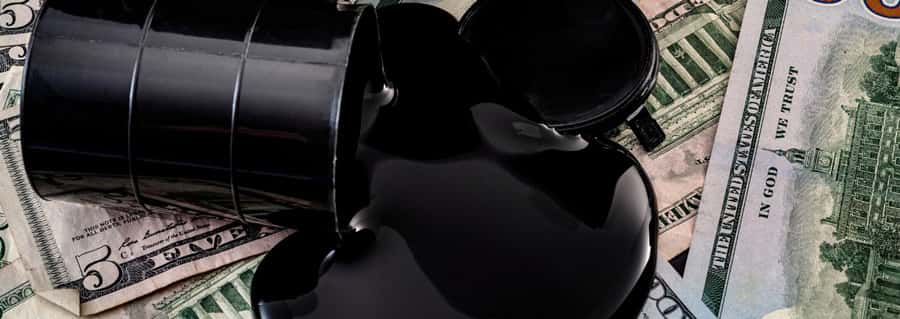
The recent transaction between India and the UAE, involving an oil sale settled in rupees, has sent shockwaves throughout the global financial arena, challenging the long-standing dominance of the dollar in international trade.
A Historic Transaction
Indian Oil Corp., India's premier refiner, executed a purchase of a million barrels of oil from Abu Dhabi National Oil Company without converting rupees to dollars, a milestone in global trade dynamics.
This historic deal was a manifestation of the Memorandum of Understanding (MoU) signed in July, establishing the Local Currency Settlement (LCS) system, overseen by the Reserve Bank of India and the Central Bank of the UAE.
The LCS system, designed to foster bilateral trade using the rupee and dirham, marks a pivotal moment in the shift towards de-dollarization in global trade.
A statement from the Reserve Bank of India underscored the potential of this system to streamline cross-border transactions and payments, laying the groundwork for heightened economic cooperation.
Furthermore, the LCS system has already shown its merits with the transaction of 25 kg of gold, valued at roughly $1.54 million. Reports from WIONews indicate that the adoption of the LCS system could slash costs and expedite transactions between the two nations.
Beyond Just a Deal
The broader implications of this system go beyond simplifying trade logistics. Trading in national currencies can fortify economic resilience and nurture bilateral relationships. Surplus balances in local currencies can find avenues of investment in diverse local assets like corporate bonds, government securities, and equity markets.
Significantly, India's rupee-based transaction is not an isolated incident; the nation has previously settled oil trades with Russia in non-dollar currencies. As the third-largest oil importer globally, India's moves in the oil trade sector have sizable implications.
The Petrodollar in Jeopardy?
The dollar's reign as the global currency for oil sales has been its stronghold, ensuring perennial demand. This has been a boon for the US, with countries globally needing dollars to procure oil, bolstering the currency and enabling the Federal Reserve to print more dollars to monetize the debt.
The intricate interplay of the petrodollar system has anchored the USD as the global reserve currency, further cementing the US's stature as a financial powerhouse.
However, this paradigm is under threat. The trend of de-dollarization, if adopted more widely, could deal a severe blow to the US economy. There are murmurs within influential nations hinting at a shift. Saudi Arabia, which has traded oil exclusively in dollars since 1974, recently expressed its openness to considering alternate currencies for trade.
A Changing Landscape
The undercurrents suggest a world in flux. The ramifications of the Russian invasion of Ukraine and the subsequent sanctions are palpable, with IMF Managing Director Gita Gopinath warning about the potential erosion of the dollar's dominance.
If countries begin to coalesce into smaller trading blocs using alternative currencies, the demand for the dollar could take a nosedive. Such a scenario would drastically hike interest rates on US Treasury bonds, posing a colossal challenge for the US, already grappling with a debt surpassing $32 trillion.
While an immediate dethronement of the dollar from its preeminent status is not on the horizon, these developments signal that its uncontested reign might not last forever. With the global economic balance tilting, America must remain vigilant, prepared to adapt in a world where the dollar's dominance might not be a given.
Today in precious metals, gold prices grew 0.09% to $1,903.53 per ounce. Silver rose 0.43% to $22.60 per ounce. Platinum increased by 0.75% to $897.50 per ounce, while Palladium dropped by 0.60% to $1,236.00 per ounce. Bitcoin dipped 0.18% to $29,119.00.
What could be the global economic and geopolitical implications if the dollar's dominance as t