View Charts
Florida Expands Precious Metals Sales Tax Exemption in 2025
 0
0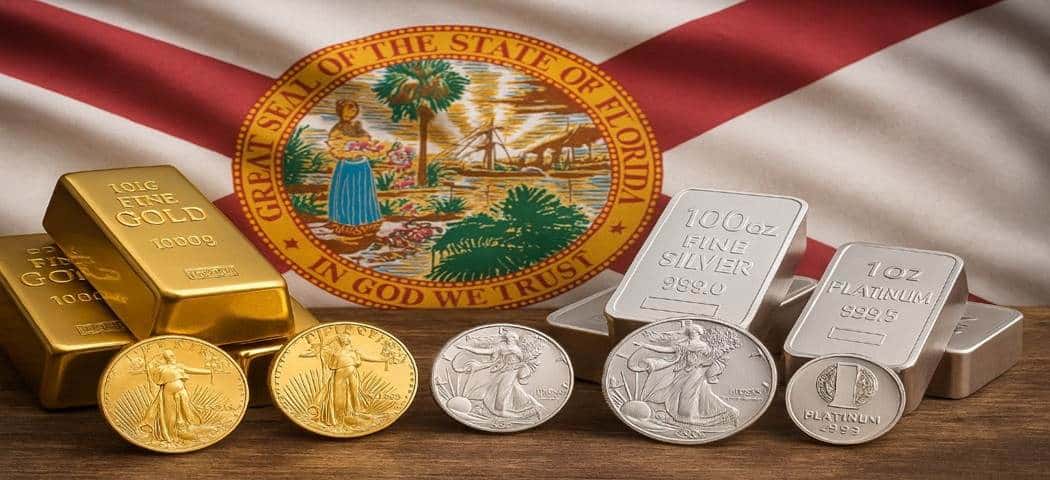
Major Win for Florida Precious Metals Buyers
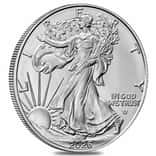
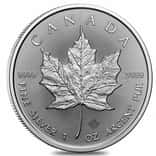
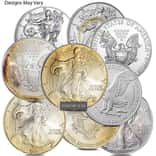
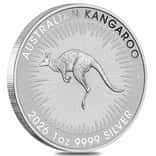
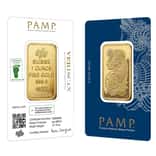
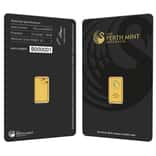
As of August 1, 2025, Florida has officially expanded its sales tax exemption for precious metals purchases — a change that is expected to reshape the state’s bullion market. Previously, Florida’s tax exemption applied only when gold, silver, or platinum bullion exceeded $500 per transaction. Now, all qualifying bullion coins, rounds, and bars in these metals are fully exempt from sales tax, regardless of purchase amount.
This update is a significant victory for investors, collectors, and small‑scale buyers who often make smaller, incremental purchases. By eliminating the minimum threshold, Florida has positioned itself among the most favorable U.S. states for precious metals ownership.
What’s Covered Under the New Law
Under the revised statute, the following items are exempt from Florida sales tax:
-
Coins that are U.S. legal tender, regardless of face value.
-
Gold, silver, and platinum bullion of qualifying purity (generally .995 fine for gold, .999 fine for silver, and .9995 fine for platinum), with no minimum purchase threshold.
This means everyday investors have the same tax advantages as those making large, high-value acquisitions, leveling the playing field across all transaction sizes.
Palladium Remains Taxable
One key detail for buyers to note: Palladium bullion is not included in the updated Florida exemption. All palladium purchases remain subject to state sales tax unless they qualify under another statutory exemption — such as being part of an official U.S. legal‑tender coin issue.
This distinction is important for those diversifying into multiple precious metals. While gold, silver, and platinum are now equally favored under Florida’s tax code, palladium still falls outside the automatic exemption. Buyers should carefully review product details and applicable state definitions to determine whether a specific palladium purchase might qualify for an exemption.
Numismatic and Collectible Coin Considerations
The law also leaves non‑legal tender numismatic or collectible coins, including ancient coins, subject to sales tax unless they meet a qualifying exemption. The most common exemption in this category is U.S. legal‑tender status.
For collectors, this means tax treatment depends on the coin’s classification — bullion coins generally enjoy the exemption, while many purely collectible or commemorative pieces do not. Checking a coin’s legal status before purchase can help avoid unexpected costs.
Florida’s Competitive Advantage in the Precious Metals Market
With the removal of the $500 threshold, Florida has effectively lowered the barrier to entry for new investors while giving seasoned buyers greater flexibility. The change is likely to encourage more frequent, smaller purchases — benefiting local coin shops, bullion dealers, and online retailers serving the state.
This change strengthens Florida’s position alongside states like Texas, Wyoming, and Alaska that have fully eliminated sales tax on qualifying precious metals. The update is a clear win for Florida residents, who can now make online purchases without paying sales tax. It may also attract out‑of‑state buyers who travel to Florida to make tax‑free purchases directly from local coin shops and bullion dealers.
Market Implications for Investors and Collectors
Removing the transaction minimum is more than a small policy adjustment — it has the potential to encourage:
-
More frequent purchases from smaller investors.
-
Portfolio diversification through accessible entry points.
-
Increased local dealer activity as competitive pricing becomes easier to maintain without tax considerations.
For investors, the change improves the cost‑effectiveness of dollar‑cost averaging strategies, while collectors benefit from the ability to make lower‑value purchases without losing margin to sales tax.
Final Thoughts
Florida’s expanded precious metals sales tax exemption is a major development for the bullion market in 2025. By removing the $500 threshold, the state has leveled the playing field for all buyers, from first‑time silver collectors to experienced gold investors.
However, the exclusion of palladium and certain collectible coins underscores the importance of understanding tax rules before buying. Whether you’re stacking gold bars, acquiring silver rounds, or adding platinum coins to your portfolio, this policy shift makes Florida an even more attractive place to invest in precious metals.